PHOTO CREDITS: Jakony Media Agency
(BOMA AND BADINGILO) – African Parks South Sudan has presented its conservation work at an international wildlife conference in Tanzania, highlighting how science, technology and community involvement are supporting wildlife protection in South Sudan.
The presentation took place during the fifteenth International Scientific Conference organised by the Tanzania Wildlife Research Institute, known as TAWIRI, held from December three to five. The conference focused on innovation in wildlife conservation and sustainable tourism in a changing global environment.
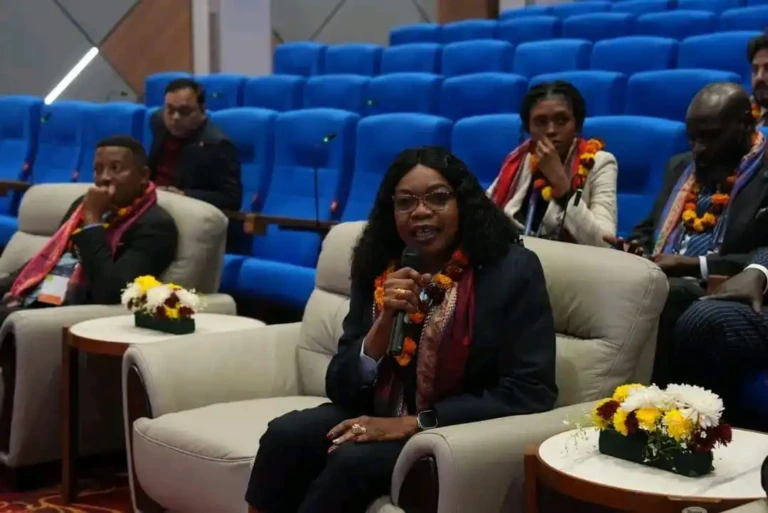
The South Sudan delegation included Tombe Emmanuel, a data technician with African Parks, Dr Megan Claase, conservation manager, and Dr Malik Doka Morjan from the University of Juba. They shared experiences from the Great Nile Migration Landscape, with a focus on Boma and Badingilo National Parks.
The team explained how collaboration between conservation experts, researchers and local communities has helped strengthen wildlife monitoring and park management. They said science led approaches and the use of modern technology are improving understanding of animal movement and ecosystem health.
The conference provided an opportunity for conservation organisations and researchers from across Africa to exchange ideas on ecosystem protection, climate resilience, habitat restoration and community based conservation. African Parks South Sudan said the platform helped show how evidence based approaches can support better management of wildlife resources.
Tombe Emmanuel said collecting and analysing data is essential for informed decision making. “By using innovative technology, we can track species, monitor migration patterns, and anticipate threats to biodiversity,” he said.
Dr Megan Claase highlighted the importance of involving communities living near protected areas. “When local communities benefit from conservation, they become active partners in protecting wildlife. This approach is central to the success of Boma and Badingilo National Parks,” she said.
Participants also discussed ways to strengthen cooperation across borders, adapt to climate change and improve funding for conservation. The event allowed South Sudanese experts to connect with international researchers and partners working on similar challenges.
Dr Malik Doka Morjan said research plays a key role in shaping conservation policy. “Evidence based conservation allows governments and NGOs to make strategic investments in wildlife protection. The conference helped us share lessons from South Sudan and learn from others’ experiences,” he said.
African Parks South Sudan thanked TAWIRI for hosting the conference and encouraging regional collaboration. The organisation said it remains committed to protecting South Sudan’s natural heritage while supporting sustainable tourism, local livelihoods and climate resilience.
According to African Parks, the conference showed the growing role of South Sudan in regional conservation and demonstrated how community focused and science based approaches can deliver environmental and economic benefits over time.
Key conservation approaches shared
| Focus area | South Sudan approach | Result |
|---|---|---|
| Wildlife monitoring | Science led tracking and technology | Better management decisions |
| Community involvement | Local participation in conservation | Sustainable park protection |
| Habitat protection | Ecosystem restoration and corridors | Biodiversity preserved |
| Innovation | Use of modern tools and data | Efficient use of resources |
Discover more from Access Radio Yei News
Subscribe to get the latest posts sent to your email.