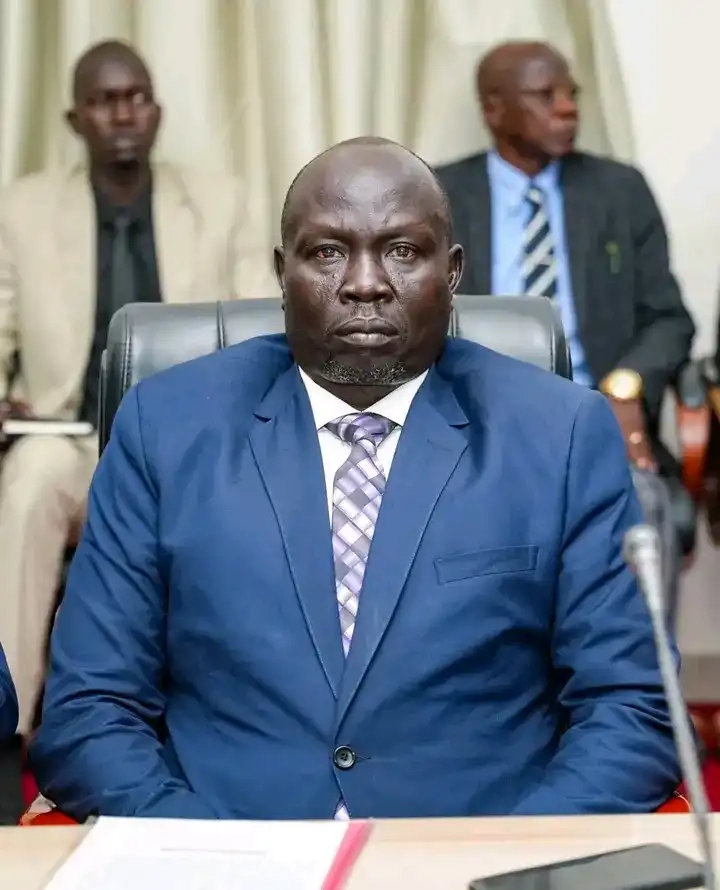
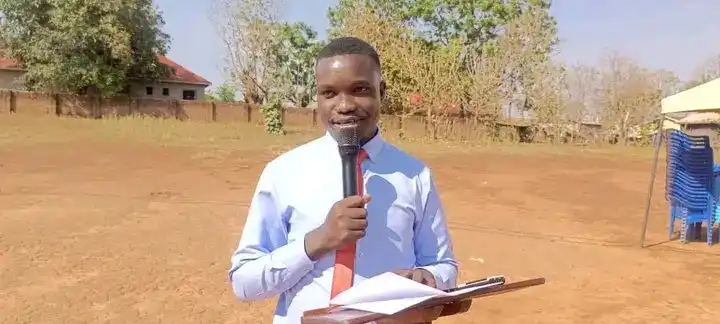
Agrey Cyrus Kanyikwa is a Senior executive and local government officer in South Sudan.
(OPINION / AGREY CYRUS KANYIKWA) – South Sudan has yet to establish a consistent and modern educational system capable of inspiring talent, nurturing creativity, and developing critical thinking and problem-solving skills. As it stands, the country’s primary and secondary education systems lag significantly behind, posing a serious threat to national development—and, ultimately, to the country’s long-term stability and survival.
At the heart of the problem lies an outdated structure that closely mirrors colonial-era education models. These systems were never designed to cultivate innovation or intellectual independence; rather, they emphasized limited knowledge and basic skills suited for administrative or low-level service roles. Today, this legacy persists. Students are often pushed into the workforce prematurely, frequently after obtaining only a Secondary School Certificate, and with little to no practical training in essential areas such as governance, law enforcement, or community development.
The consequences are profound. Many students complete their schooling without exposure to critical thinking, scientific inquiry, or meaningful engagement with the natural and social world around them. The curriculum remains disconnected from South Sudan’s cultural realities and traditional knowledge systems, failing to prepare young people to address contemporary challenges or to contribute to forward-looking national development. Instead, the system encourages passive learning—producing followers rather than thinkers—and promotes the consumption of pre-packaged information over the exploration of context-driven solutions.
While these challenges are particularly visible in South Sudan, they reflect a broader pattern across much of Africa, where education systems often prioritize conformity over creativity. The shortage of well-trained, innovative educators further limits opportunities for students to engage in research, experimentation, and independent thought. As a result, the labor force is largely oriented toward seeking existing jobs rather than creating new ones or developing marketable products.
If South Sudan is to achieve durable peace and meaningful social, political, and economic stability, education must become a central national priority. This requires more than expanding access—it demands a transformation in purpose and quality. An effective education system should equip learners with practical skills, encourage innovation, and foster integrity. It must also reject the normalization of academic dishonesty and the awarding of empty credentials that do little to reflect real competence.
Reforming education is not a quick fix, but it is an essential one. Without it, the country risks perpetuating cycles of dependency, underdevelopment, and instability. With it, however, South Sudan has the potential to cultivate a generation capable of building a resilient, self-reliant, and prosperous nation.Disclaimer:
Access Radio® publishes opinion articles to provide a platform for diverse and independent views. The opinions expressed are solely those of the authors and do not necessarily reflect the views of Access Radio® or its editorial team.
The publication of any opinion piece does not imply agreement with or endorsement of its content by Access Radio®.
Responsibility for the accuracy of facts and the validity of opinions rests entirely with the author. Access Radio® does not assume responsibility for any claims made by contributors.
We welcome thoughtful opinion contributions from our listeners and readers. To share your views, please email: news@radioyei.org. All submissions may be edited for grammar, clarity, and style.
Discover more from Access Radio Yei News
Subscribe to get the latest posts sent to your email.