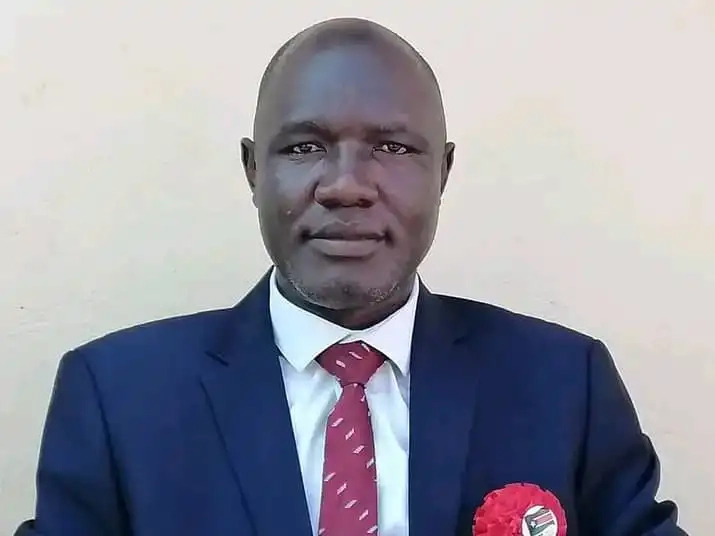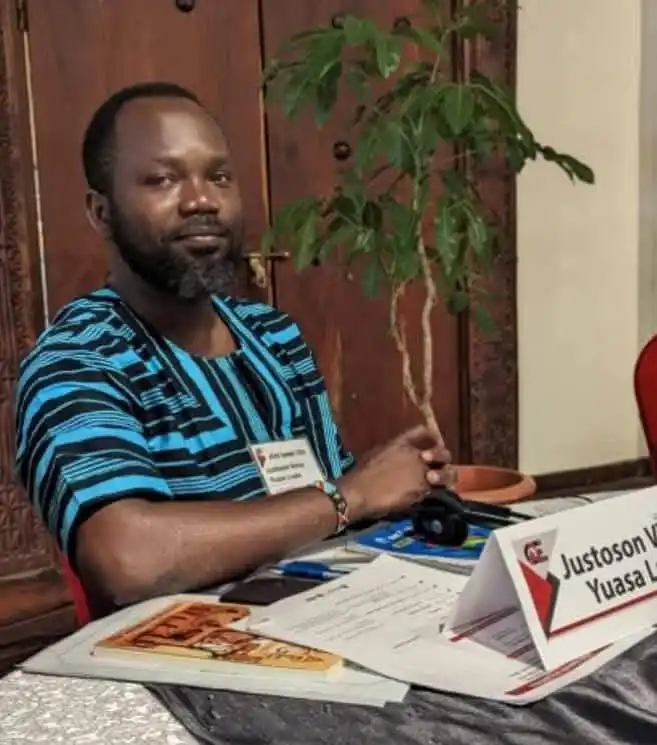
Mr. Justoson Victor Yousa
(OPINION / JUSTOSON VICTOR YOASA) – The recent announcement by the Governor of Central Equatoria State regarding the establishment of a university in Yei River County—proposed to be hosted at the former United Nations Mission in South Sudan (UNMISS) facility—is both timely and commendable. It reflects a growing recognition that education remains one of the most powerful drivers of stability, growth, and long-term transformation in our region.
However, as this initiative takes shape, clarity must come first. The people of Yei are aware that a university previously operated in the area, particularly in Hai Gabat, offering programs such as public administration, business administration, and public health at certificate, diploma, and degree levels prior to the 2016 crisis. It is therefore essential for the government to clearly communicate whether this new institution is a continuation of that earlier effort or an entirely new establishment. This distinction is critical for building public trust, preserving institutional memory, and ensuring continuity.
Beyond establishing a university, this initiative must serve as a turning point for rebuilding the entire education system in Yei River County and across Central Equatoria State. Many once-prominent schools have declined or remain non-functional. Institutions such as Yei One Secondary School, Kinji Secondary School, Rubeke Secondary School, and Wudabi Secondary School require urgent rehabilitation. At the same time, ongoing projects—including Kinji Secondary School and Ombasi Primary School—must be completed. Delivering on these priorities will restore public confidence and demonstrate tangible progress.
A key pillar of the proposed university must be research and innovation. The institution should prioritize practical, community-centered research that responds directly to local realities. South Sudan is richly endowed with natural resources that remain largely underutilized. This university presents an opportunity to change that narrative by investing in programs such as natural resource management, forestry, fisheries, wildlife management, and environmental conservation. Advancing research in tropical agriculture, medicinal plants, and appropriate technologies could position the university as a center of excellence.
Equally important is the concept of value addition. By focusing on processing and improving local resources whether agricultural produce, forest products, or fisheries the university can contribute directly to economic transformation. This approach will not only enhance livelihoods but also ensure that the institution remains relevant and impactful within the community.
The university should be designed as a national institution, attracting students from across Central Equatoria and beyond. By bringing together diverse communities, it can promote unity, knowledge exchange, and national cohesion while strengthening academic excellence.
Importantly, the revival of higher education must go hand in hand with restoring other institutions that support research and professional training, including forestry and strategic studies centers. Education reform must be holistic—linking primary, secondary, and higher education into one coordinated and functional system.
Inclusivity will be critical to the success of this initiative. While the current committee overseeing the university is a positive step, it should be expanded to ensure broader representation. Gender balance and meaningful youth participation are essential for reflecting societal aspirations and improving decision-making. In this regard, the inclusion of the newly elected Commissioner of Yei River County, Hon. Malimbo Samuel Batali, is particularly relevant. His role in ensuring security will be vital in creating a stable and conducive environment for learning and long-term institutional development.
Equally important is the establishment of a strong scholarship framework. Investing in education requires deliberate efforts to train future lecturers, researchers, and professionals. The government should support students to pursue specialized studies both locally and internationally under structured agreements that ensure they return to contribute to the university and the broader community.
Infrastructure and security must also be prioritized. Improving road networks will enhance access for students from neighboring counties such as Lainya, Morobo, and Kajo-Keji. At the same time, sustainable peace remains fundamental. Without security, education cannot thrive, and development cannot be sustained.
Furthermore, the university should emphasize practical and locally relevant disciplines aligned with regional strengths. Fields such as agriculture, engineering, fisheries, forestry, wildlife management, and tropical medicine will not only create employment opportunities but also directly improve livelihoods.
Finally, the entire process must be guided by South Sudan’s legal and regulatory framework for higher education. Alignment with national standards will ensure credibility, quality assurance, and long-term sustainability.
In conclusion, the establishment of a university in Yei River County is a bold and visionary step. However, its success will depend on clarity, inclusivity, strategic investment, and a genuine commitment to rebuilding the broader education system. If properly implemented, this initiative will not only educate it will restore hope, dignity, and opportunity for the people of Central Equatoria State and South Sudan at large.
About the Author
Justoson Victor Yuasa is a South Sudanese civic educator and governance advocate from Central Equatoria State. He studies Governance and Human Rights at Uganda Martyrs University and is a fellow of the African Civic Engagement Academy (University of Georgia) and the Young African Leaders Initiative. He currently serves as a Civic Educator with the Sabah Jedid Initiative, focusing on community empowerment, civic engagement, and public policy awareness.
Disclaimer:
Access Radio® publishes opinion articles to provide a platform for diverse and independent views. The opinions expressed do not necessarily reflect the views of Access Radio® or its editorial team.
The publication of this opinion does not imply agreement or endorsement by Access Radio®.
Responsibility for facts and opinions rests solely with the author. Access Radio® does not take responsibility for the accuracy of claims made by contributors.
We welcome thoughtful opinion contributions from our listeners and readers. To share your views, email news [at] radioyei.org. All submissions may be edited for grammar or related issues.
Discover more from Access Radio Yei News
Subscribe to get the latest posts sent to your email.