header_image_web
JUBA)-Environmental experts have called for urgent action to improve flood management and protect South Sudan’s vast wetland ecosystems, as communities continue to grapple with the devastating effects of seasonal flooding.
Speaking during a workshop organised by the White Nile and Sudd Centre in collaboration with Wake Forest University, Acting Executive Director Tong Deng Anei said the initiative brought together delegates from flood-affected regions to discuss practical solutions for managing water resources and reducing disaster risks.
The conference drew participants from states including Upper Nile, Unity State, Jonglei, Lakes State, and Warrap.
Deng noted that while these areas were selected for research purposes, flooding remains a widespread problem across the country.
“This workshop brings together stakeholders, community representatives, and policymakers to discuss conservation and wetland management, so we can ensure our natural resources are properly managed,” he said.
South Sudan has experienced severe and prolonged flooding since 2019, largely driven by rising water levels in the Nile River and its tributaries.
Most of the communities in the lowland area in the north of the county have been displaced, farmland submerged, and livelihoods disrupted. The floods have become one of the country’s most persistent humanitarian and environmental challenges.
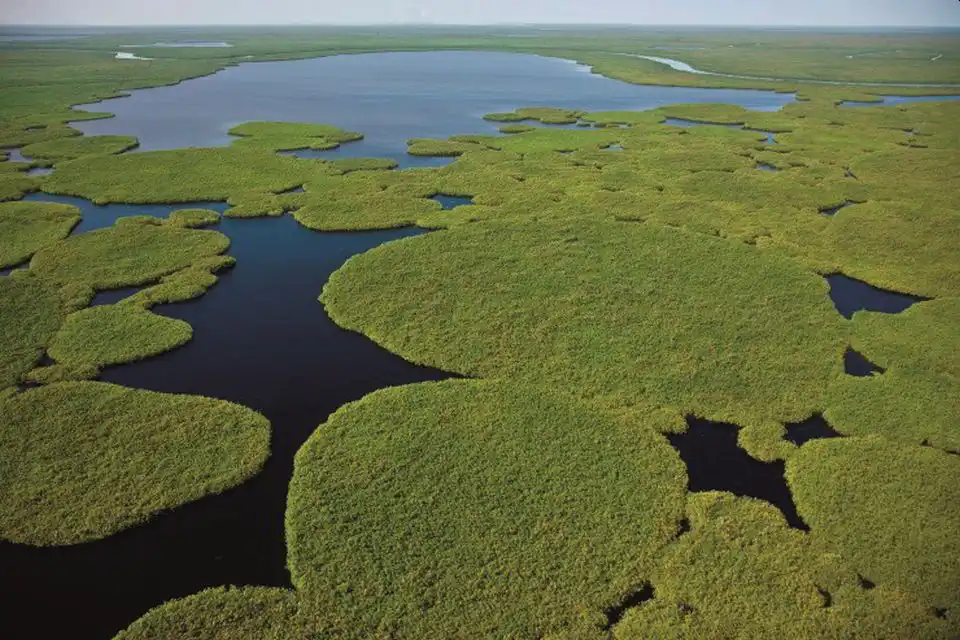
The discussion also centred on the Sudd, one of the largest wetlands in the world, which plays a critical role in regulating water flow, supporting biodiversity, and sustaining local livelihoods.
However, despite its ecological importance, environmental experts say the lack of a coordinated water management system has left communities vulnerable to both flooding and underutilization of water resources.
Deng emphasized that the absence of proper water management strategies has made it difficult for communities to cope with rising floodwaters.
“Communities along the Nile basin lack systems to manage water effectively or use it productively,” he said.
He added that the workshop aims to change that by equipping local delegates with skills and knowledge they can take back to their communities.
The experts also highlighted the need to shift perceptions of flooding from a purely destructive force to a potential resource.
With better planning, floodwaters could support irrigation, fishing, and dry-season farming, reducing reliance on rainfall and improving food security.
“Flooding is often seen only as a threat, but it can also be an opportunity,” Deng explained. “If managed well, the water can support agriculture and livelihoods throughout the year.”
Research findings presented at the conference underscored the importance of timely information and community awareness.
Participants noted that many flood-related losses are worsened by a lack of early warning systems and limited access to reliable data.
While the White Nile and Sudd Centre focus on data collection and analysis, he said it is ultimately up to authorities to implement effective policies and invest in long-term solutions.
The discussions also touched on environmental concerns such as pollution and sanitation in wetland areas. While the Sudd and Nile provide abundant fish and water resources, communities face challenges in accessing markets and ensuring safe use of these resources.
In recent years, however, there have been signs of progress. Cross-border fish trade, particularly exports to the Democratic Republic of Congo, has begun to grow, offering new economic opportunities for fishing communities.
As South Sudan continues to face the dual challenge of climate change and underdeveloped infrastructure. The experts stated that integrated water management and protection of the Sudd wetlands will be key to building resilience and securing livelihoods for millions of people.
Discover more from Access Radio Yei News
Subscribe to get the latest posts sent to your email.