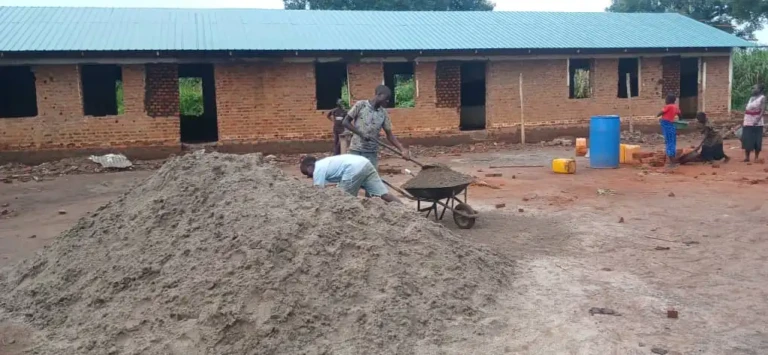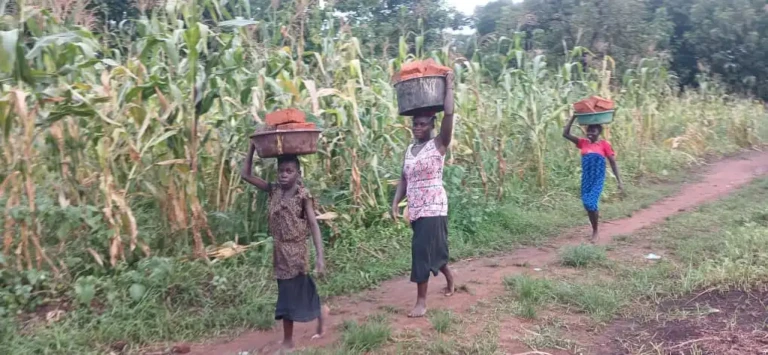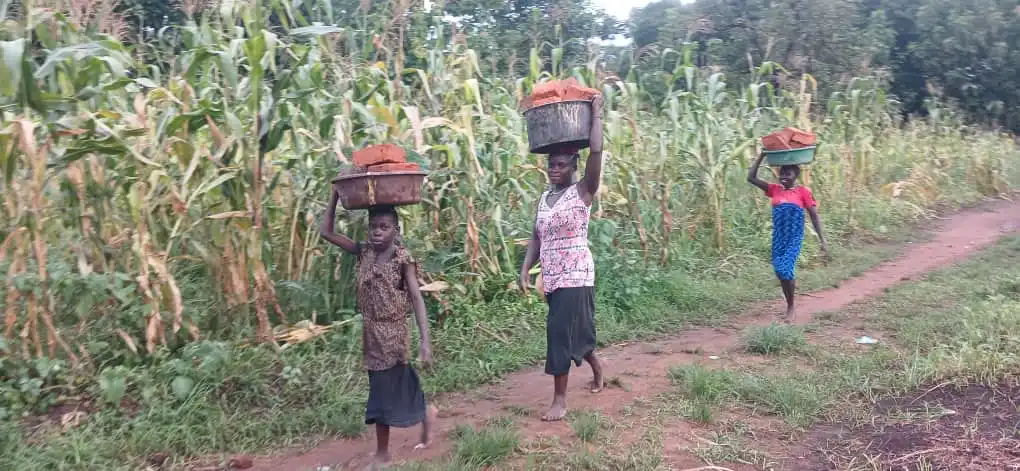
Young Women and a girl transports Bricks to re-build Angeibi Primary School-Photo Credit-Christopher Taharir
Education remains one of the most powerful tools for transforming societies, reducing poverty and building lasting peace. Yet in many rural communities across Yei River County, access to quality education remains a distant dream for thousands of children. Years of conflict have left schools destroyed, displaced families uprooted and learning opportunities severely disrupted. As communities strive to rebuild their lives, investing in education should be recognized as a national priority and a cornerstone for sustainable development.
The 2016 conflict left a devastating impact on the education sector in Yei River County. Many schools in remote payams were destroyed or abandoned, forcing learners to study under trees, in temporary shelters, or in open spaces exposed to harsh weather conditions while others dropped out from schools due to difficult learning conditions. For many children, the simple act of going to school involves walking long distances through insecure areas in search of a classroom.
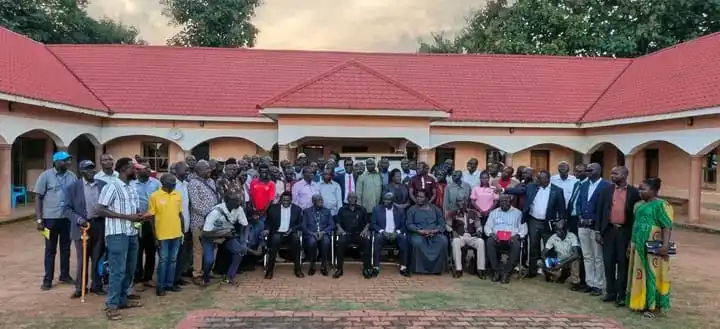
Conflict continues to undermine education by displacing communities and limiting access to essential services. The result is a cycle of illiteracy, poverty and vulnerability that risks leaving an entire generation behind. Community leaders have repeatedly called for peaceful dialogue and lasting solutions to the causes of conflict, recognizing that peace is the foundation upon which quality education and development can thrive.
Despite these challenges, local communities are demonstrating remarkable resilience. Residents of Tore Payam, for example, have mobilised local resources and labour to rebuild Angeibi Primary School, a clear demonstration of their commitment to ensuring that children remain in school. Such initiatives are encouraging examples of community ownership and should be supported and replicated across other parts of the county.
However, communities cannot address these challenges alone. Government institutions, development partners, humanitarian organizations and private sector actors must step forward with meaningful investments to improve educational opportunities in rural areas. Many schools across rural areas of Yei River County continue to face severe shortages of classrooms, sanitation facilities, clean drinking water, furniture, textbooks and teaching materials. These deficiencies directly affect learning outcomes and limit children’s ability to reach their full potential.
South Sudan’s long-term development depends on investing in its people. Education should therefore be prioritised alongside critical sectors such as health care, road infrastructure, water services, and economic livelihoods. During the liberation struggle, many South Sudanese envisioned a future where citizens would enjoy access to quality education, healthcare, connectivity, food security and development opportunities. While significant progress has been made in some areas, that vision remains incomplete without substantial investment in human capital development.
One of the key concerns is the growing disparity between urban and rural education. While education initiatives often focus on urban centres, many remote communities continue to struggle with inadequate facilities and limited resources. To address these inequalities, stakeholders must place greater emphasis on grassroots needs and ensure that rural schools receive equitable support and investment.
Peace and security are essential prerequisites for educational progress. A stable environment enables learners to attend school safely, allows teachers to remain in their communities and encourages humanitarian and development partners to invest in educational programmes. Government authorities, community leaders, security institutions and partners should continue working together to strengthen peacebuilding efforts and create conditions where education can flourish.
Improving learning environments must remain a priority. Many rural schools urgently require classroom construction and rehabilitation, gender-sensitive sanitation facilities, access to clean water, furniture, electricity and teaching materials. Well-equipped schools contribute to improved attendance, learner motivation and educational outcomes.
The quality of education largely depends on the quality of teachers. Yet many rural schools struggle to attract and retain qualified educators. Addressing this challenge requires rural hardship allowances, continuous professional development opportunities, mentorship programmes, effective supervision systems and recruitment of teachers from local communities wherever possible.
School feeding programmes have proven to increase attendance, improve concentration and enhance learning outcomes while addressing child malnutrition. Programmes supported by organisations such as the World Food Programme have demonstrated positive impacts on enrolment and community participation. Expanding such initiatives, alongside school gardens and health education programmes, can significantly strengthen learning environments in rural schools.
In today’s world, access to information and technology is increasingly important for educational success. Rural schools often lack books, internet connectivity and digital learning opportunities. Establishing school libraries, mobile learning centres, community radio education programmes and solar-powered digital learning solutions can help bridge this gap and prepare learners for a changing world.
Successful education systems are built on strong community ownership. Parent-Teacher Associations, School Management Committees, local leaders, women and youth groups all have important roles to play in supporting education. Community participation improves accountability, strengthens school governance and ensures that educational investments remain sustainable over the long term.
About the Writer
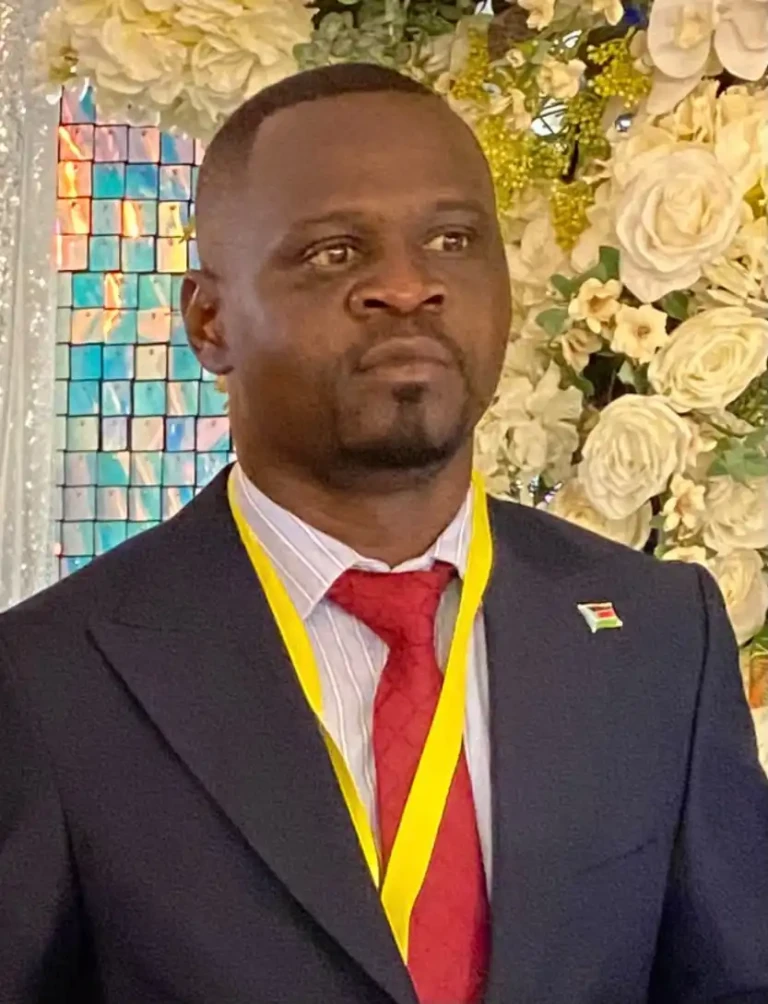
Daniel Friday Martin is a scholar, researcher and multimedia professional in South Sudan. He holds dual Master’s degrees in Project Management and Monitoring & Evaluation from Nkumba University and the University of Juba. The views expressed in this article are his own and do not necessarily reflect those of any institution or organization with which he is affiliated.
DISCLAIMER: The opinions expressed in this article are those of the author and do not necessarily reflect the views, editorial policy, or position of Access Radio 88.8 FM, its management, staff or partners.
Discover more from Access Radio Yei News
Subscribe to get the latest posts sent to your email.