





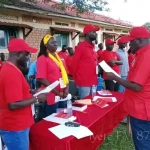













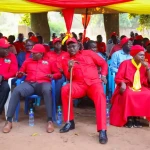
The ongoing primaries within the Sudan People’s Liberation Movement (SPLM) have generated considerable public interest across South Sudan. One of the most striking features emerging from the process is the apparent rise of new political faces challenging, and in some constituencies defeating, long-serving figures.
While every constituency has its own political dynamics, the broader picture raises an important question: Are voters beginning to demand a different kind of political leadership in South Sudan?
The growing support for new candidates could suggest that some party members are looking beyond political history and established names. Increasingly, expectations appear to be centered on performance, accountability, accessibility and the ability to respond to changing community priorities.
This does not mean experienced politicians have lost their relevance. Experience remains valuable in public leadership. But experience alone may no longer be enough. Political longevity must increasingly be accompanied by visible results and continuous engagement with constituents.
The Demand for Better Service Delivery
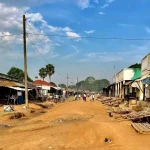
Across South Sudan, many communities continue to struggle with inadequate roads, healthcare services, education, clean water, employment opportunities and other basic services.
Where communities believe that years of political representation have produced insufficient improvement in their daily lives, it is understandable that some voters may begin looking for alternative leadership. An electorate that evaluates leaders according to their performance can contribute positively to democracy. Representatives should understand that election to office is not simply a political reward; it carries a responsibility to remain accountable to the people. This means maintaining contact with constituencies, listening to citizens and demonstrating what has been achieved during a period in office.
A Young Population Wants a Greater Voice
South Sudan’s political future will inevitably be shaped by its younger generations.
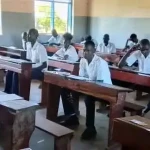
Young people increasingly want political leaders who understand their concerns, particularly employment, entrepreneurship, education, technology, agriculture and opportunities for meaningful participation in decision-making. New candidates may appeal to this constituency because they can present themselves as alternatives to established political structures.
But being a new candidate should not automatically be equated with being a better candidate. New political leaders must still demonstrate integrity, competence, vision and the ability to deliver.
The real democratic test should therefore not be old versus new, but effective versus ineffective leadership.
Accountability Is Becoming More Important
Elections and party primaries offer citizens and party members an opportunity to assess those seeking political responsibility.
Where an incumbent has performed well, remained accessible and responded to local concerns, voters may choose continuity. Where communities are dissatisfied, however, elections provide a peaceful mechanism for demanding change.
This is one of the fundamental principles of democratic politics: political office should never be considered permanent. Leadership must continuously earn public confidence.
The emergence of new candidates should therefore not necessarily be interpreted as a wholesale rejection of previous leaders. Instead, it can be understood as a reminder that political legitimacy must be continually renewed through service and accountability.
Political Awareness Is Changing
Radio, social media, civic education, community dialogue and greater access to information are creating new spaces for citizens to discuss governance and leadership.
Voters are increasingly exposed to debates about service delivery, public accountability, development priorities and political representation.
This can gradually change how candidates are assessed.
Political connections and historical credentials may remain influential, but voters may increasingly ask more practical questions:
What has this leader delivered?
How accessible has this leader been?
What is the candidate’s vision for the constituency?
How will young people and women benefit from that vision?
And perhaps most importantly: What will be different if this person is elected?
These are healthy questions in any democratic society.
Is Previous Performance Driving the Desire for Change?
It would be simplistic to attribute every defeat of an established politician to poor performance.
Election outcomes can be influenced by many factors, including local alliances, candidate popularity, grassroots organisation, generational attitudes and internal party dynamics.
Nevertheless, performance remains an important factor in democratic politics.
Where communities see tangible improvements and feel adequately represented, incumbents may retain strong support. Conversely, where expectations remain unmet, voters may use elections or primaries to seek alternative representation.
The demand for political change may therefore reflect a combination of performance assessment, generational transition, greater political awareness, evolving development priorities and rising expectations of leaders.
A Positive Test for Internal Democracy
Competitive party primaries can make political organisations stronger when they are transparent, peaceful and credible.
Healthy democratic competition requires candidates to be given fair opportunities, voters to exercise their choices freely, results to be respected and political disagreements to remain peaceful.
Those who win should recognise that victory brings responsibility rather than entitlement.
Those who lose should also be respected for participating in the political process.
A mature democratic culture is demonstrated not only by how politicians celebrate victory, but also by how candidates, supporters and institutions respond to defeat.
What This Means for Future Politicians
The changing political landscape sends important lessons to anyone considering a future in South Sudanese politics.
Politics can become more open
The emergence of new candidates demonstrates that established politicians do not have to be the only people competing for leadership.
Professionals, women, young people, entrepreneurs, farmers, civil society actors and community leaders should be able to participate meaningfully in democratic politics.
Performance must matter
Political titles should never substitute for service.
Future leaders will increasingly need to demonstrate what they have contributed to their communities and what realistic plans they have for addressing local challenges.
Grassroots engagement is essential
Politicians should not only return to their constituencies when elections approach.
Leaders who regularly listen to communities, communicate openly and remain accessible are more likely to understand what citizens actually expect from government.
Women and young people must have space
South Sudan’s democratic future cannot be built without meaningful participation by women and young people.
Greater participation by these groups can broaden political debate and introduce different experiences, priorities and ideas into decision-making.
Looking Ahead
The SPLM primaries provide an opportunity to reflect on an important principle: political leadership belongs ultimately to the people who give leaders their mandate.
New faces alone will not transform South Sudanese politics. What matters is whether those who emerge demonstrate integrity, competence, accountability and commitment to public service.
Similarly, experienced leaders should not be discarded simply because they have served for many years. Political experience can be an enormous asset when it is combined with performance, humility and responsiveness.
The most encouraging development would therefore not simply be the replacement of old politicians with new ones.
It would be the emergence of a political culture in which every leader, whether new or experienced, understands that public confidence must be earned through service.
If competitive and peaceful political participation continues to develop, it could encourage more young professionals, women and community leaders to enter politics and offer voters greater choice.
That would be a significant step toward a stronger democratic culture in South Sudan.
Disclaimer:
This article represents the personal views and opinions of the author. It does not necessarily reflect the editorial position of Access Radio or any organisation with which the author may be associated. References to candidates, political parties and electoral processes are made for commentary and public discussion.
Discover more from Access Radio®
Subscribe to get the latest posts sent to your email.