












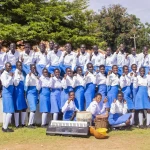

For generations, Yei proudly carried the nickname “Small London”. The title was not merely a reference to its pleasant climate or peaceful environment but a recognition of its reputation as one of South Sudan’s foremost centres of learning. With excellent schools, dedicated teachers, and a welcoming community, Yei attracted students from across the country who sought quality education and a brighter future.
The conflicts that erupted in 2013 and later in 2016 altered this reality. Schools closed, teachers fled, and thousands of learners saw their education disrupted. The once vibrant educational hub struggled under the weight of insecurity and displacement.
Yet, despite these challenges, the people of Yei never abandoned their belief in education. They understood that classrooms build futures, and that knowledge remains one of the most powerful tools for development. Today, that faith is beginning to bear fruit as the town steadily regains its status as a leading centre of learning.
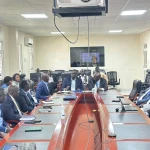
Yei’s educational revival is evident in the growing number of institutions of higher learning taking root in the area. The town is witnessing a new chapter marked by expanding opportunities for young people to pursue university education closer to home.
A significant contributor to this progress is Emmanuel Christian University (ECU), established in 2001 by the Evangelical Presbyterian Church. Originally founded to train church leaders and professionals to serve communities and congregations across the country, the institution has evolved considerably over the years. Its full accreditation by the Ministry of Higher Education, Science and Technology in September 2024 marked a historic milestone and affirmed its position as a recognised university capable of serving a broader academic community.
The establishment of Centenary University by the Episcopal Church Diocese of Yei has further strengthened the educational landscape. The institution provides more opportunities for young people to access higher education without the financial and social challenges associated with relocating to larger cities such as Juba or other regions of the country.
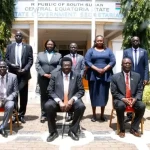
Another major boost came with the recent presidential directive establishing the University of Yei. The decision is not only an investment in higher education but also a recognition of Yei’s long-standing educational heritage and its potential to reclaim its place as one of South Sudan’s leading academic centres.
These universities represent far more than buildings where degrees are awarded. They are institutions that will nurture the next generation of teachers, doctors, engineers, scientists, entrepreneurs, researchers, and public servants. The knowledge and skills acquired in these institutions will contribute directly to the country’s development and prosperity.
On a personal note, this progress carries special significance. My late father, Michael Modi, often remarked that if he had sufficient resources, he would establish a university in Yei. As I reflect on the developments unfolding today, I cannot help but believe that wherever he rests, he is smiling with pride at the transformation taking place in the town he loved.
Education remains one of the strongest foundations for national development. It creates skilled professionals, reduces poverty, drives innovation, supports businesses, strengthens communities, and promotes social cohesion. No society can achieve sustainable development without investing in its people through quality education.
However, while these achievements deserve celebration, there is still much work to be done. The universities require qualified lecturers, modern libraries, well-equipped laboratories, reliable technology, robust research facilities, and scholarship programmes to ensure that students from all backgrounds have an opportunity to succeed.
Meeting these needs is a collective responsibility. Government institutions, churches, development partners, the private sector, and the people of Yei all have a role to play in ensuring that these universities fulfil their mission and serve future generations effectively.
Yei’s story is no longer only about recovering from conflict. It is increasingly becoming a story of resilience, renewal, and hope. As educational institutions continue to grow and thrive, the town is demonstrating that learning can heal communities, restore opportunities, and shape a better future.
The return of “Small London” is not simply about reclaiming an old nickname. It is about reclaiming a legacy of excellence and reaffirming the belief that education remains the most powerful pathway to lasting peace, development, and transformation in South Sudan.
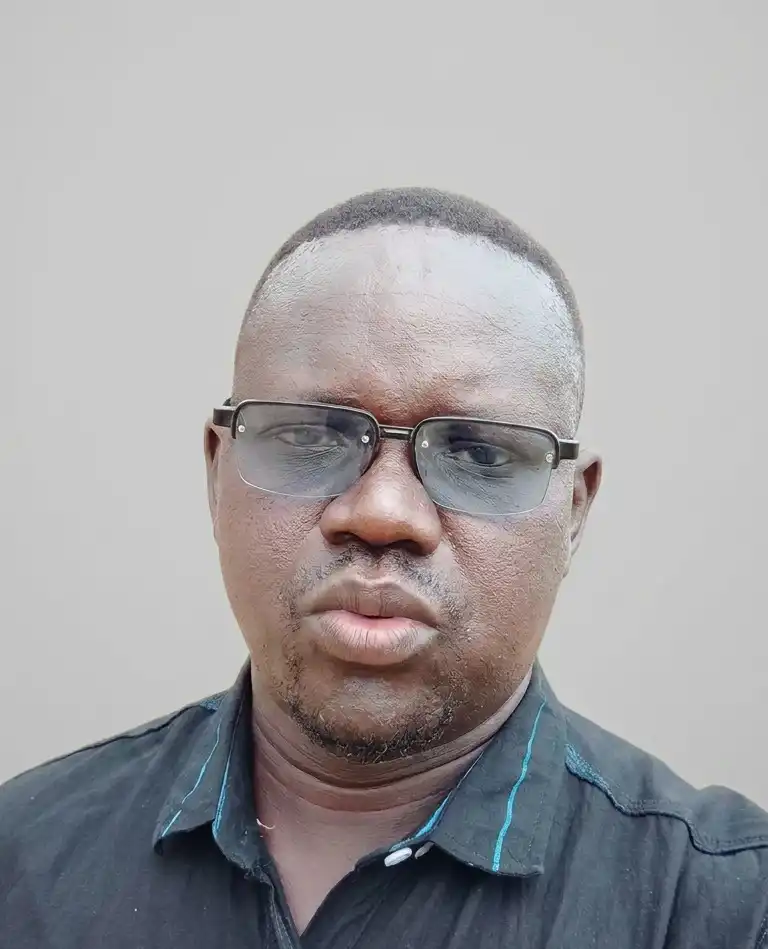
Taban Gabriel is a South Sudanese journalist. For enquiries about this article, he can be reached at: gabronn2014@gmail.com.
Disclaimer: The views and opinions expressed in this article are those of the author and do not necessarily reflect the views, policy, or editorial position of Access Radio 88.8 FM.
Discover more from Access Radio®
Subscribe to get the latest posts sent to your email.