








(JUBA) – Deep in the heart of South Sudan, a natural spectacle unfolds each year that rivals the famous wildebeest migration of East Africa. Nearly six million antelopes travel across the Boma-Badingilo landscape in what scientists have confirmed as the world’s largest land mammal migration.
The migration, known as the Great Nile Migration, sees white-eared kob, tiang and Mongalla gazelles moving across an area four times larger than the Masai Mara and Serengeti combined. The herds follow rains and ancient routes that have existed for thousands of years.
For decades, war made this place lost to science. Today it remains largely untouched, with no fences and minimal tourism. The landscape supports wildlife, wetlands and communities that have lived alongside it for generations.
The Boma-Badingilo Migratory Landscape was inscribed on the UNESCO World Heritage List on 26th July 2026, becoming South Sudan’s first World Heritage Site. The inscription was approved at the UNESCO World Heritage Committee’s 48th session in Busan, Republic of Korea.
The United Nations Country Team in South Sudan welcomed the inscription. “This is a proud and historic moment for South Sudan,” said Yayoi Segi-Vltchek, UNESCO Representative to South Sudan. She said the inscription recognises the Outstanding Universal Value of the landscape and places one of the country’s greatest natural treasures on the global stage.
The 37,500-square-kilometre landscape encompasses Boma National Park and Badingilo National Park, both managed by African Parks on behalf of the Government of South Sudan.
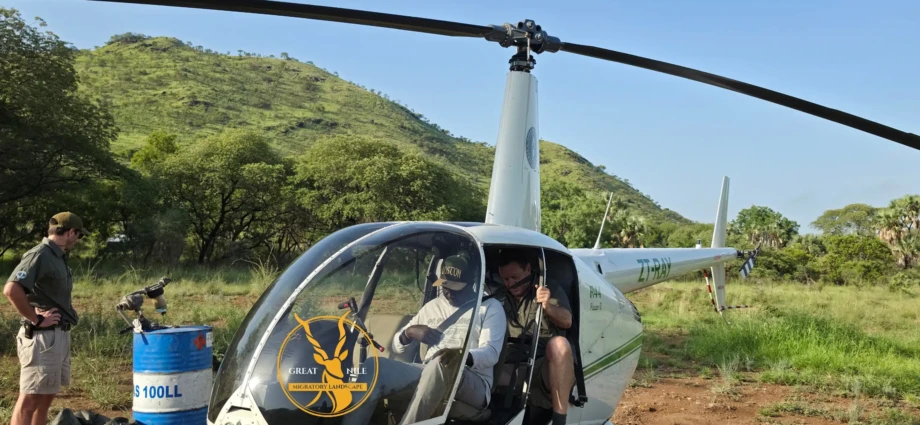
A 2025 aerial wildlife survey showed that the landscape continues to sustain around six million migratory antelopes. Florington Aseervatham, African Parks country representative for South Sudan, said the UNESCO designation would strengthen collaboration among government, conservation partners and local communities.
South Sudan’s Minister for Wildlife Conservation and Tourism, Denay Jock Chagor, says the country wants to open the destination to the world while preserving its natural character. “We want to modernize it. We want to make sure that it is open for the rest of the world and on top of that we want to keep it as natural as it can be,” Denay said.
The government is planning carefully managed tourism infrastructure, including small lodges and dirt roads that would allow visitors to explore the wilderness without disrupting wildlife. “We don’t want to create massive buildings within the park that will drive away the animals,” the minister said.
The first community-centred tourist camp in the landscape opened on 27th March 2026 at Maruwa Hills in Boma County. The camp forms the first phase of a broader vision for sustainable tourism development in one of Africa’s last great wilderness regions.
The landscape is home to many communities who have lived alongside and stewarded its natural resources for generations. These include the Murle, Dinka, Nuer, Anyuak and Toposa peoples.
African Parks has been working with local communities on land-use planning, education and conservation. In 2025, communities around Boma National Park agreed on wildlife conservation measures that integrate Murle customary law, including cattle-based penalties for poaching and unsustainable hunting.
The World Heritage Committee also placed the site on the List of World Heritage in Danger. The listing recognises significant challenges including insecurity, commercial poaching and climate shocks. It is intended to focus international attention and mobilise coordinated efforts to strengthen protection.
Sarah Nyanath Elijah Yong, South Sudan’s minister of culture, museums and national heritage, said the designation is expected to strengthen biodiversity conservation, promote scientific research, attract sustainable investment, create jobs and improve local livelihoods.
“It is time for us to act now and do peaceful things,” Nyanath said. She added that every citizen has a role to play in safeguarding the country’s newly recognised World Heritage Site.
The tourism sector in South Sudan is projected to grow steadily. According to Report Linker, tourism receipts are expected to reach $516 million by 2026, growing by an average of 1.9% each year.
The Boma-Badingilo landscape represents a significant opportunity for South Sudan to showcase its natural heritage to the world. With careful management and community engagement, the country hopes to attract visitors while protecting one of Africa’s most remarkable natural wonders.
The Boma–Badingilo Migratory Landscape spans across the Jonglei, Central Equatoria, and Eastern Equatoria states in South Sudan.
Discover more from Access Radio®
Subscribe to get the latest posts sent to your email.