
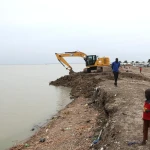
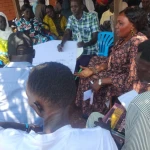

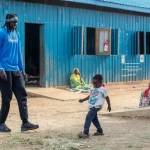

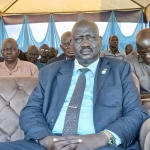










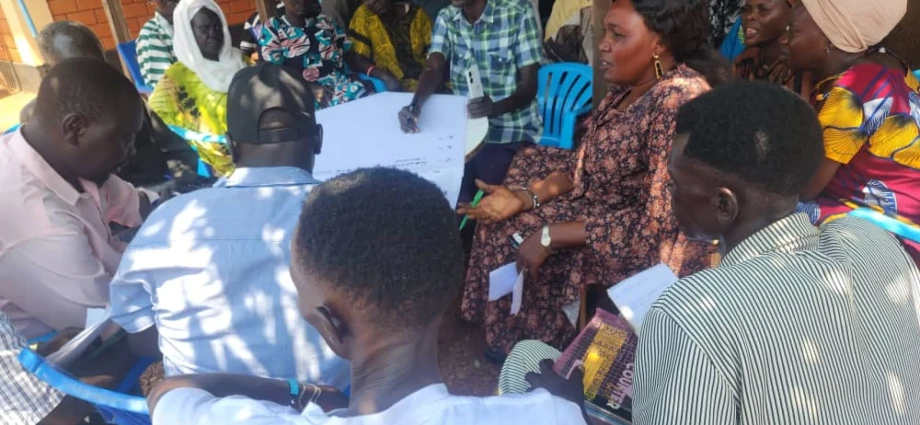
(MABAN, SOUTH SUDAN) – Communities in South Sudan’s Upper Nile region have drawn up practical plans to prepare for and manage climate shocks, warning that flooding and drought are undermining efforts to build lasting peace.
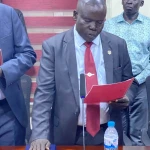
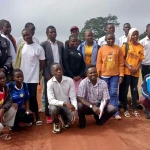
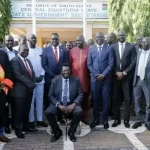
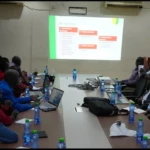
The plans emerged from a two day “Peace Talks” initiative held in Maban County and facilitated by the Maban County Civil Society Network and the United Nations Mission in South Sudan.
The dialogue gave residents a platform to discuss how the struggle to survive is weakening the pursuit of peace and stability.
“The dialogue was particularly useful with famines, caused by a prolonged lack of rain, affecting our communities more than ever this year,” said Paramount Chief Juma Lagu Yuye, a participant in the talks.
Over the two days, it became clear that the link between preventing conflict and people’s ability to live and work safely remains one of the main pillars of peace.
“Peace supports our safety, our livelihoods, and the cohesion of our communities. We must cultivate peace within ourselves, avoid conflict, and remain peaceful, especially considering upcoming challenges,” said Alex Ewe, Chairperson of a civil society organisation.
After examining different types of climate disasters, including drought and flooding, community representatives worked together to identify practical solutions.
These included early warning systems, evacuation planning and stronger cooperation across communities, with a focus on lasting and workable prevention and response measures.
“Not only did we learn about environmental and climate related disasters, but we also received guidance on how to establish early warnings and respond effectively to emergencies,” Yuye said.
Participants also used the peaceful space to share concerns and exchange ideas on other pillars of peace and how they connect.
Harun Mahadi Paul, Deputy Secretary General of the Maban County Youth Union, set out how peace begins with individuals and grows through understanding between communities.
“Peace begins in our hearts, but we also need to work together,” he said.
He encouraged people from different regions and cultures to learn about one another’s customs and youth traditions.
“Cooperation, a shared sense of identity, and cultural exchange can help build lasting peace.”
Women representatives stressed the need to protect the most vulnerable, particularly children.
“We need to build peace across the country. My greatest concern is that our children should not suffer, fight or die, particularly here in Maban,” said Phibe Philip, representing a Women’s Union.
Her views were echoed by Jote Othown Achonker, former Chairperson of the Maban County Women’s Union, who added a call to action for communities across the country.
“Our message to South Sudan is to live peacefully, so our children can study and thrive, and women can take a break from all the suffering. We hope for lasting stability.”
As the dialogue closed, community leaders called on residents to turn discussion into everyday action by resolving disagreements peacefully, supporting one another during hardship, and keeping children’s safety and future at the centre of community efforts.
“Giving communities platforms like this encourages them to continue talking, listening, and working together to resolve differences peacefully. We know that communities know their challenges best, but we will continue to support these locally led efforts to the best of our abilities. Peace is a shared responsibility,” said Yetunde Makanjuola, a Civil Affairs Officer with the United Nations Mission in South Sudan.
The United Nations Mission in South Sudan works to protect civilians, facilitate the safe delivery of humanitarian aid, promote human rights and build lasting peace.
Discover more from Access Radio®
Subscribe to get the latest posts sent to your email.