



(YAMBIO) – Western Equatoria State is strengthening its preparedness for Bundibugyo virus disease as health authorities work to prevent the disease from crossing into South Sudan from the neighbouring Democratic Republic of Congo.
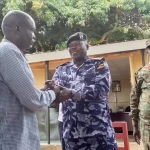
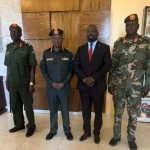
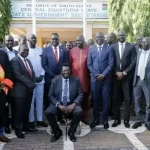
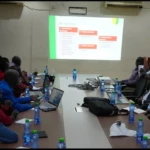
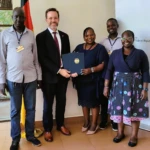
A high-level delegation from South Sudan’s Ministry of Health, the National Public Health Institute, the World Health Organization and other health partners visited Western Equatoria State to assess readiness for the disease.
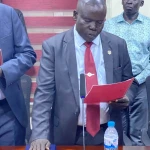
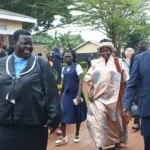
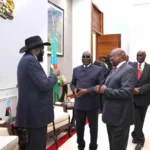
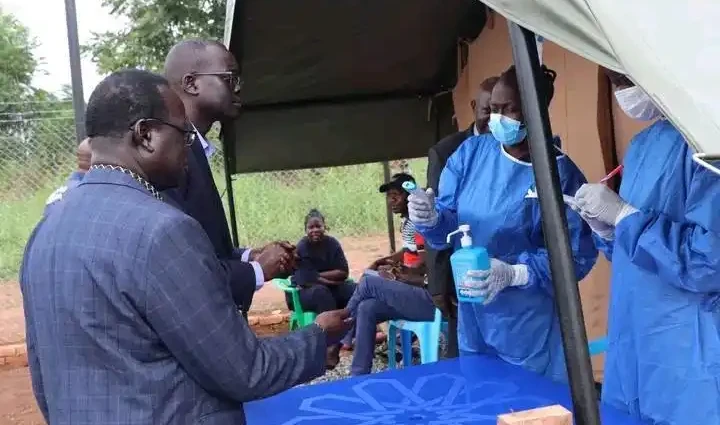
The delegation held discussions with state authorities, including Acting Caretaker Governor Badagbu Daniel Rimbasa, before visiting the Nabiapai Point of Entry and health facilities in Yambio.
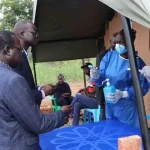
The team inspected Bundibugyo virus disease holding areas at Nabiapai Primary Health Care Unit and Yambio State Hospital, as well as a newly established 28 bed isolation unit.
The visit comes as an outbreak of Bundibugyo virus disease continues in the Democratic Republic of Congo, including areas near the South Sudan border. The World Health Organization reported in September 2026 that the outbreak has now affected 63 health zones across seven provinces, with 7,890 confirmed cases and 3,799 deaths.
The World Health Organization reported in September 2026 that the geographic expansion of the outbreak has increased the risk of cross-border transmission. The agency also reported in August 2026 that the outbreak is spreading faster than any previous Ebola outbreak, with more than 4,600 people infected and almost 2,200 deaths at that time.
Western Equatoria borders the Democratic Republic of Congo, with communities on both sides maintaining close links through travel, trade and family ties. Health authorities say these movements make strong disease surveillance and preparedness important.
The International Organization for Migration reported in June 2026 that six priority points of entry were identified for South Sudan, including Nabiapai, where daily traveller volumes range from approximately 200 to 5,000 people.
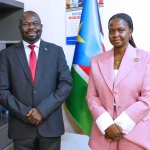
In a separate meeting in Juba, World Health Organization Officer in Charge Dr Moses Ongom met Governor Rimbasa to discuss preparedness, support and remaining gaps in the state’s health response.
The discussions focused on strengthening surveillance, timely reporting of suspected cases, preparedness at health facilities and providing communities with reliable health information.
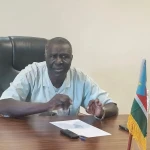
Governor Rimbasa described the discussions as fruitful and said his administration was seeking stronger support for the state’s health sector.
“Our meeting was very fruitful. We discussed medicines for Western Equatoria, support for mothers and children, malaria vaccines and other vaccines, as well as Ebola and other health concerns,” Rimbasa said.
The governor also raised concerns about health facilities, including primary health care centres and units, that are facing shortages of medicines and other essential medical supplies.
He said the World Health Organization had pledged to work with the state to support health facilities affected by shortages of medicines and strengthen access to essential healthcare services.
The World Health Organization and state authorities also agreed on the importance of continued cooperation to maintain preparedness while sustaining progress in other areas of healthcare.
The preparedness activities are supported by the European Union Civil Protection and Humanitarian Aid Operations and the South Sudan Humanitarian Fund through the World Health Organization’s Bundibugyo virus disease readiness operations.
The meeting was attended by officials from the Western Equatoria State delegation and the World Health Organization.
Dr Moses Ongom has served as the Officer in Charge of the World Health Organization Country Office in South Sudan following a leadership transition at the organization. The World Health Organization Regional Office for Africa reported in August 2026 that Dr Ongom was appointed after the completion of Dr Humphrey Karamagi’s assignment.
The European Centre for Disease Prevention and Control reported in September 2026 that two of its fellows were deployed to South Sudan through the EU Health Task Force and the World Health Organization’s Global Outbreak Alert and Response Network to support Ebola preparedness.
The fellows spent a week in Yambio, one of the priority areas for Ebola preparedness due to its proximity to the border with the Democratic Republic of Congo.
Discover more from Access Radio®
Subscribe to get the latest posts sent to your email.