

(JUBA) – The United Nations World Food Programme has welcomed a major contribution from the Government of Norway aimed at easing rising food insecurity and malnutrition across South Sudan. The funding comes as millions of people face increasing pressure from hunger, particularly children and mothers.
Norway has provided NOK 128.6 million, equivalent to about 12.5 million United States dollars, to support life saving food and nutrition assistance for vulnerable communities. The support will also help strengthen community resilience and maintain essential services that allow humanitarian operations to reach people in need across the country.
The contribution arrives at a critical time. According to the latest Integrated Food Security Phase Classification report, about 7.56 million people, more than half of South Sudan population, are projected to face acute food insecurity during the peak of the lean season from April to July 2026. This period, which falls between planting and harvesting, is marked by limited food availability and rising hunger.
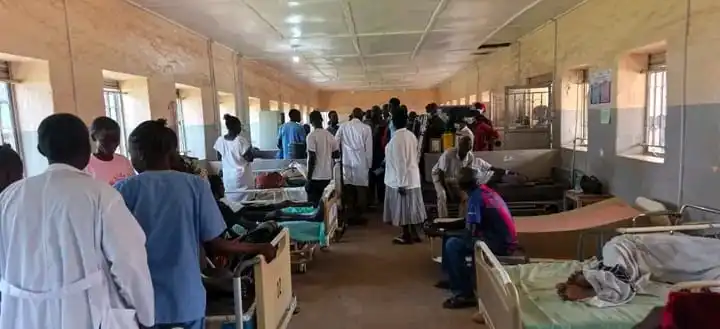
Child malnutrition remains a serious concern. The same report estimates that around 2.1 million children are affected by malnutrition, alongside more than one million pregnant and breastfeeding women. Health facilities in Juba and other parts of the country continue to screen children for malnutrition as needs rise.
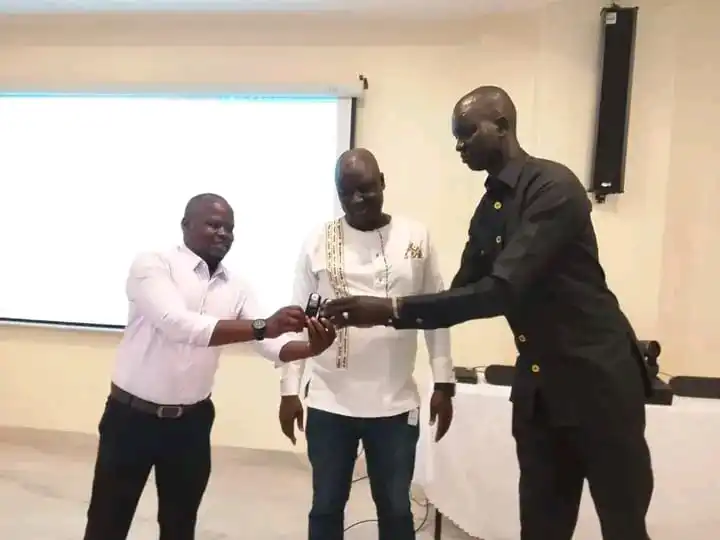
Mary Ellen McGroarty, the World Food Programme Country Director in South Sudan, said food security is central to peace and economic recovery. She noted that Norway support reflects a strong commitment to helping South Sudanese communities overcome hunger and malnutrition during a difficult period.
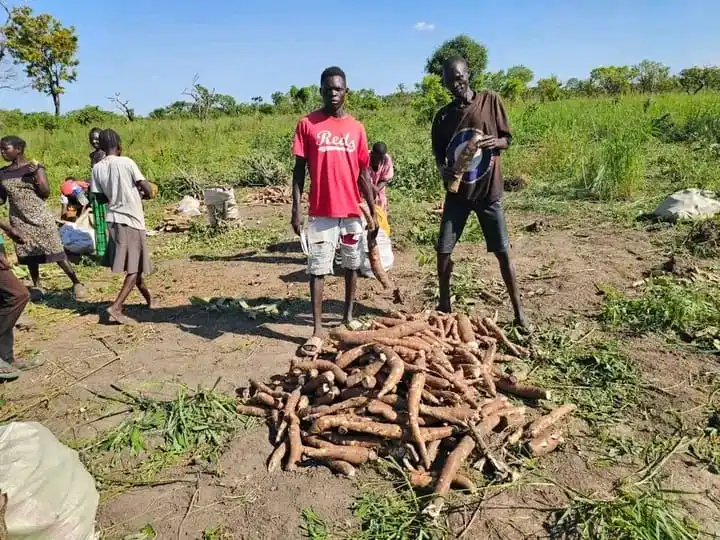
Part of the funding will be used to boost food production and support smallholder farmers. The support will also strengthen community resilience against climate, economic and conflict related shocks. In addition, the Home Grown School Feeding initiative will receive backing, helping link local food production with school meals while supporting inclusive growth at community level.
The contribution will also sustain key common services that allow humanitarian actors to operate effectively and reach hard to access areas across South Sudan. These services are vital for the delivery of food assistance and nutrition programmes nationwide.
Roar Haugsdal, the Norwegian Ambassador to South Sudan, said Norway remains proud to be a long standing partner of the World Food Programme. He added that the partnership aims not only to save lives but also to promote sustainable livelihoods, stability and lasting peace for the people of South Sudan.
Norway has consistently supported efforts to address food insecurity in South Sudan over many years. Its assistance has focused on emergency food aid, resilience building and initiatives designed to support peace and stability.
This latest contribution brings Norway total support to the World Food Programme work in South Sudan since 2020 to more than 29 million United States dollars.
Key figures related to food insecurity
| Indicator | Estimated figures |
|---|---|
| People facing acute food insecurity in 2026 | 7.56 million |
| Children affected by malnutrition | 2.1 million |
| Pregnant and breastfeeding women affected | Over 1 million |
| Norway latest contribution | NOK 128.6 million or about USD 12.5 million |
The new funding is expected to help sustain vital assistance at a time when humanitarian needs in South Sudan remain high and resources are under pressure.
Discover more from Access Radio Yei News
Subscribe to get the latest posts sent to your email.
My take: The Government and People of Norway have always come to the rescue of the people of South Sudan dating back to our pre-independence days. During our quest for self determination, Norway, through NPA and NCA steadfastly advocated for peaceful coexistence of our peoples while feeding our people. In times of strife and discord, Norway has preached dialogue and unity as the only option, and encouraged us to be self reliant. Thanks Norway, you have not only given us fish, you have consistently taught us how to fish. May we heed your call and pick up that fishing rod. Amb. BK Wani