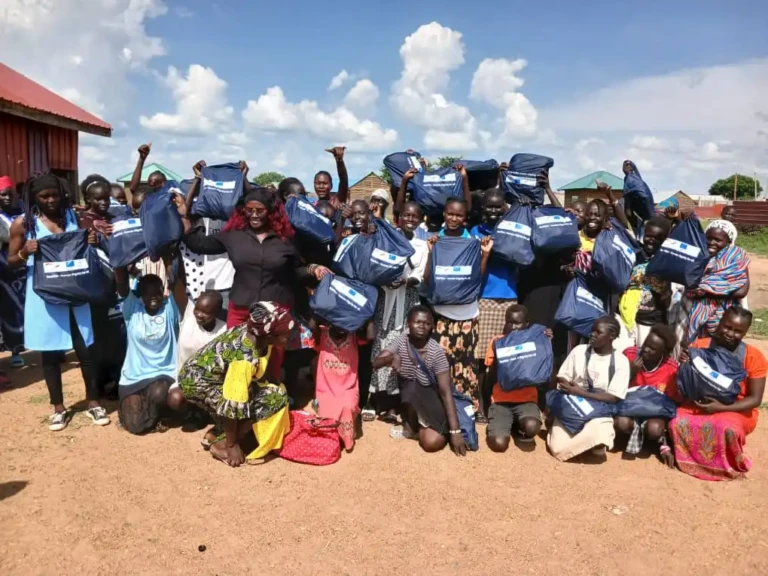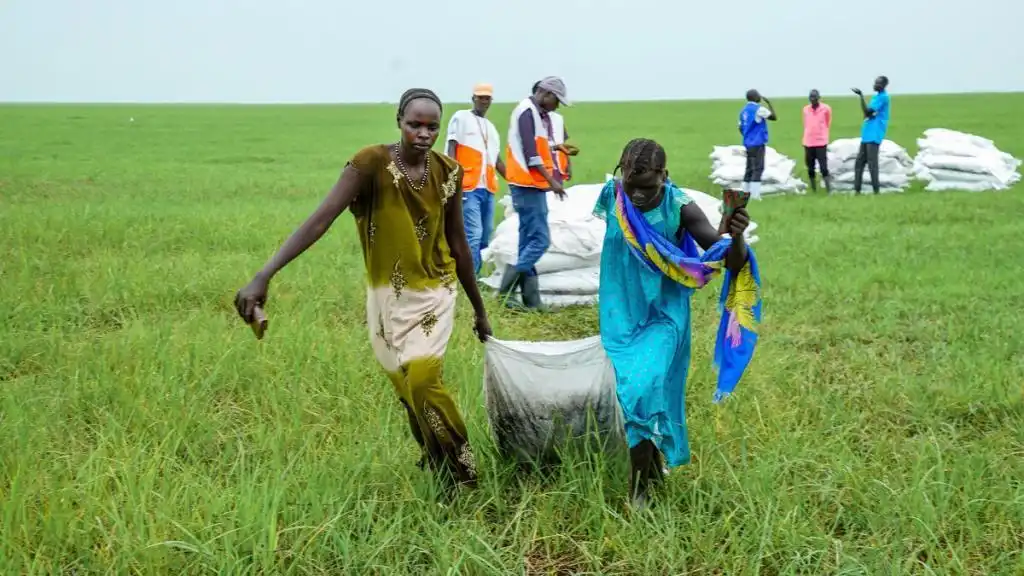
Airdrops in Nyueny, Upper Nile State/Photo Credits: WFP
(WFP/JUBA) – Over seven million people in South Sudan, half the population, are currently facing critical food shortages, with the United Nations World Food Programme (WFP) warning that a steep funding decline could soon leave millions without humanitarian support. So far this year, WFP has assisted over two million people with food aid, but severe funding shortfalls threaten to cut that support even further.
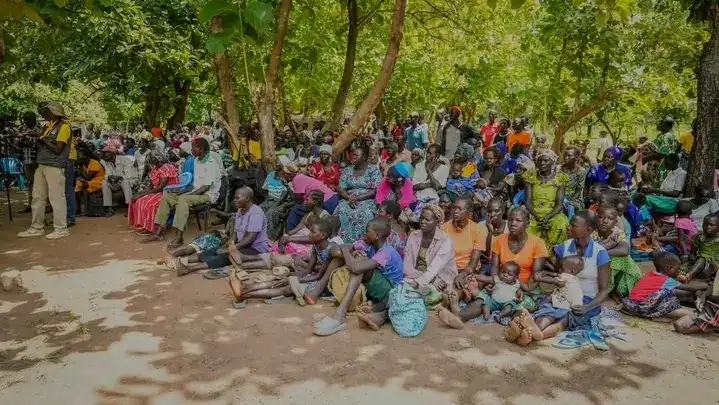
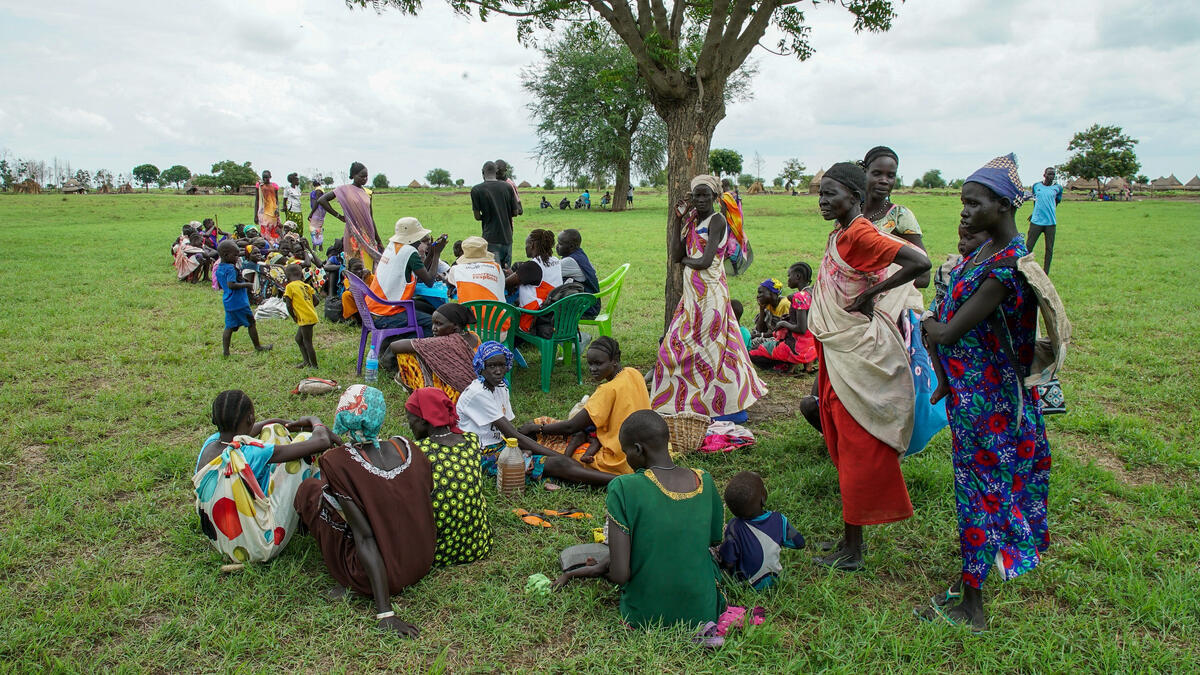
Among the most vulnerable are 83,000 people who are experiencing catastrophic levels of hunger, known as IPC Phase 5, the most extreme category. These include 32,000 residents of Upper Nile State where recent fighting has forced thousands to flee, leaving aid access nearly impossible.
An additional 39,000 returnees from neighbouring Sudan, many of them hungry and traumatised, are also in this critical group. The ongoing conflict in Sudan has forced nearly 1.2 million people into South Sudan since April 2023, placing even more strain on the already fragile food systems.
Children are particularly at risk, with a record 2.3 million estimated to suffer from malnutrition. Conflict affected areas in Upper Nile and flood ravaged regions such as Bentiu remain the hardest hit. However, in locations where humanitarian access has been consistent, there have been signs of improvement. For instance, in Uror County in Jonglei State, WFP’s continuous aid delivery helped eliminate all instances of catastrophic hunger this year.
Despite these localised improvements, the broader situation remains dire. In 10 other counties where conflict has eased, improved crop yields have led to modest gains in food security. But without stable funding and peace, these advances may be reversed.

WFP’s operations continue to adapt to reach those in greatest need. In July alone, the agency carried out multiple airdrops to hard to reach areas in the Greater Upper Nile region, delivering over 430 metric tons of food. These airdrops aim to serve 40,000 people facing potential famine.
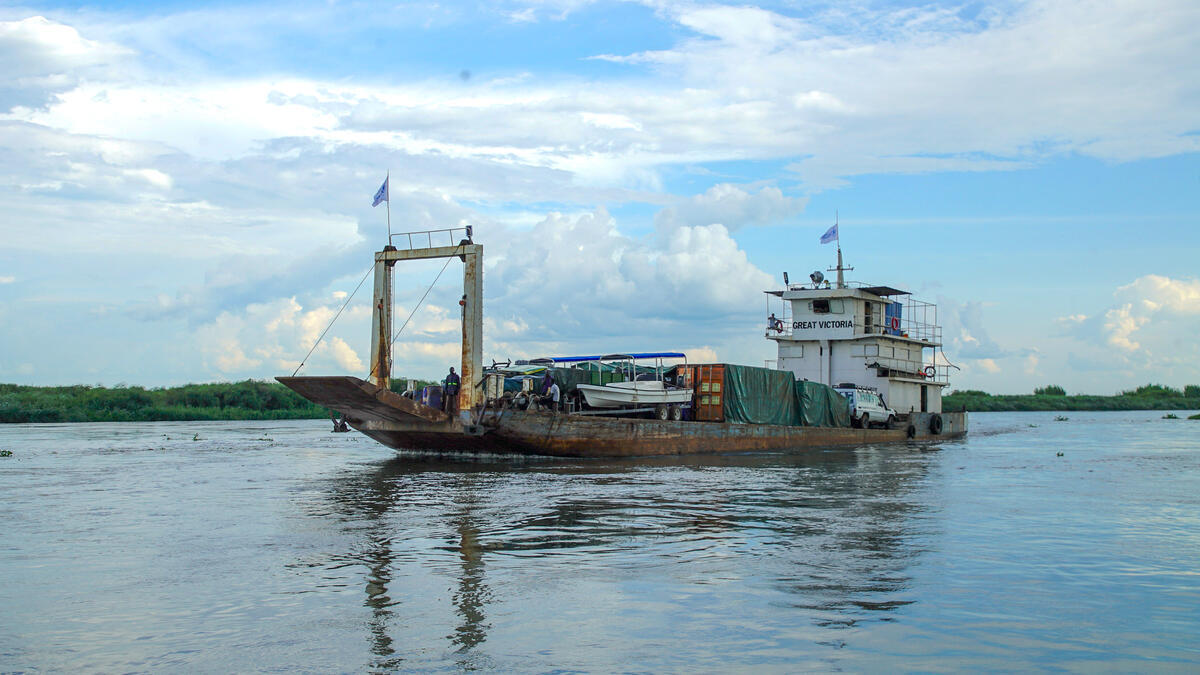
Additionally, after months of halted access, river transport has resumed on the White Nile. On 16 July, a convoy carrying 1,380 metric tons of food and supplies departed Bor for Upper Nile State. River routes are critical in South Sudan, where limited infrastructure makes land transport inefficient and expensive.
WFP’s logistics efforts include maintaining the UN Humanitarian Air Service (UNHAS), which now serves seven Upper Nile locations including Maban, Maiwut, Malakal, Mandeng, Mathiang, Renk and Ulang, providing emergency cargo and personnel transport.
The aid agency is also responding to a cholera outbreak affecting Upper Nile. Since March, 109 metric tons of medical and hygiene supplies have been airlifted to cholera hit zones across Upper Nile and Unity States.
Yet, the reach of WFP is rapidly shrinking. Current funding allows the agency to provide food support to only 2.5 million people, just 30 percent of those facing severe hunger. To maintain this limited coverage until the end of the year, WFP needs an additional US$274 million (SSP 1.26 trillion). Even with this funding, most recipients would still receive only half their required rations.
Without urgent donor support, further reductions will begin in September. These cutbacks could erase recent gains and push the country toward a wider humanitarian disaster.
| Food Crisis Snapshot – July 2025 | Figure |
|---|---|
| Population facing severe hunger | 7.7 million |
| Facing catastrophic hunger (IPC5) | 83,000 |
| At risk children (malnutrition) | 2.3 million |
| Refugees from Sudan since April 2023 | 1.2 million |
| People reached with WFP food aid (2025) | 2 million |
| Funding shortfall (needed through Dec 2025) | US$274 million (SSP 1.26 trillion) |
Carl Skau, WFP’s Deputy Executive Director, who recently visited South Sudan, highlighted the urgency of the situation.
“The scale of the humanitarian needs in South Sudan is staggering,” said Skau. “But the suffering here does not make headlines. Whether it is families flooded every year in Unity State or trapped by conflict in Upper Nile, millions are fighting hunger daily. WFP is here, but rising needs and shrinking resources are forcing us to scale back even where people are on the edge of famine.”
He added that South Sudan has the resources and youthful potential to rise, but funding and sustained peace are essential to unlock that future. Without international support, South Sudan’s fragile gains risk being washed away, leaving millions further exposed to hunger, disease and displacement.
Discover more from Access Radio Yei News
Subscribe to get the latest posts sent to your email.