


















(JUBA) – The Government of Japan has donated US$3.2 million (about 14.72 billion South Sudanese Pounds) to support emergency food assistance and school feeding programmes across South Sudan, in partnership with the World Food Programme (WFP).
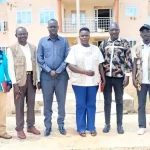
The signing ceremony was held on Wednesday in Juba. Japan’s Embassy Chargé d’Affaires, Oyama Hiromoto, said the contribution comes at a time when humanitarian needs are rising sharply.
“Immediate attention and action are needed as the humanitarian situation in South Sudan continues to worsen. This year, nearly 9.3 million people, around 70 percent of the population, need humanitarian assistance,” Hiromoto said.
He noted that over 7.7 million people are projected to experience severe food insecurity, including 2.5 million who are in emergency conditions, and more than 60,000 who are already living in famine like situations. Malnutrition is increasing, with more than 3 million children and mothers in urgent need of care.
Hiromoto also cited persistent violence, localised armed clashes and subnational conflicts, in addition to the effects of widespread flooding, inflation and economic shocks, as factors worsening the crisis.
As part of its emergency response, WFP resumed life saving food airdrops on 7 July in Nasir and Ulang counties in Upper Nile State, reaching over 40,000 people. Hiromoto said the operation was vital in addressing famine threats in these hard to reach communities.
However, he warned that unless more funding is secured, WFP will be forced to reduce its assistance from August, putting around 2.3 million people at serious risk during the peak of the lean season.
WFP Country Director Mary Ellen McGroarty welcomed Japan’s donation, noting that Tokyo has provided more than US$40 million to support South Sudan since 2020.
“This new support will help us continue providing school meals to over 42,000 children. Education, combined with school meals, changes lives and keeps children in classrooms,” McGroarty said.
She added that the situation remains dire, with the latest Integrated Food Security Phase Classification (IPC) analysis confirming that 7.7 million people are acutely food insecure.
“That means many families cannot ensure even one proper meal a day,” she said. “Some people manage only two meals in two days, while those in IPC Phase 4 are on the brink of famine. In areas affected by conflict, the situation is even worse.”
McGroarty further stressed that over 2.3 million children are at risk of malnutrition, which, if not addressed, could result in lifelong health complications.
Discover more from Access Radio®
Subscribe to get the latest posts sent to your email.