(Juba) – South Sudan is facing a deepening food crisis that could soon reach famine levels if urgent action is not taken, according to Human Rights Watch. Armed conflict, attacks on civilians, political instability, and growing restrictions on aid access have pushed over half the population — about 7.7 million people — into acute food insecurity. Of those, at least 83,000 are already experiencing conditions where starvation and death are occurring.
This worsening crisis, described by experts as “man made,” comes after years of civil war and instability. Fighting in parts of the country, especially in Upper Nile State, has destroyed hospitals, markets, and farmland. Communities in Nasir and Ulang have been hit particularly hard. Due to violence and blocked aid access, these areas are at risk of slipping into full-scale famine if the situation does not improve.
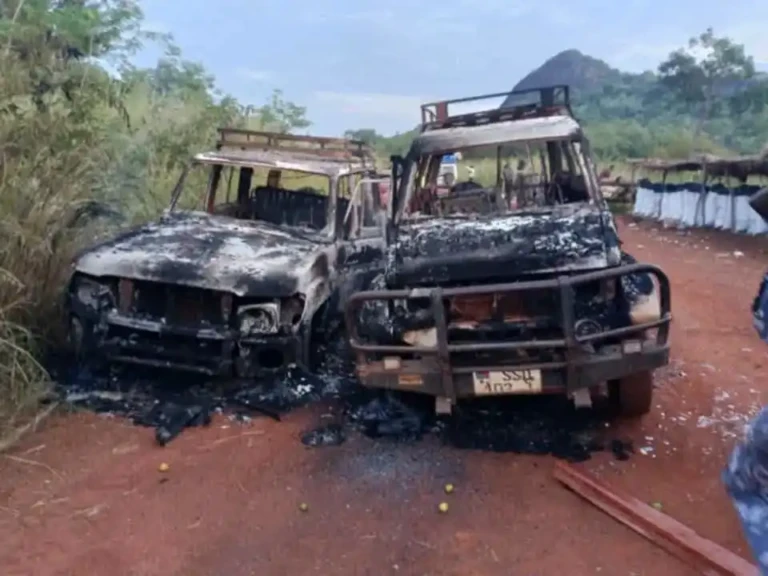
According to humanitarian reports, government forces have used incendiary weapons in the fighting, causing major destruction and making it harder for civilians to survive. Hospitals and food distribution points have been looted or forced to shut down. In one case, armed gunmen looted a hospital operated by Médecins Sans Frontières (Doctors Without Borders) in Ulang, forcing the facility to close.
Despite attempts to deliver emergency food, aid operations have faced political complications. Food drops in Nasir and Ulang were recently carried out by a U.S.-based company in partnership with a Ugandan aviation firm that also supports the South Sudanese military. This has raised concerns about the neutrality of humanitarian operations, especially in conflict zones. International law classifies starvation used as a method of warfare as a war crime. The United Nations has previously documented such violations in South Sudan.
At the same time, international aid cuts have made the crisis worse. Save the Children was forced to shut down seven health clinics in Jonglei State after U.S. funding was reduced. These clinics were vital sources of basic health and nutrition services for vulnerable communities.
Human Rights Watch has urged the global community to respond with increased urgency. The organization is calling on donors to fully fund humanitarian response plans and to pressure armed groups to allow safe and unrestricted access for aid workers. It also recommends sanctions on those who block or interfere with life-saving assistance.
Without immediate political and humanitarian intervention, experts warn that famine could become a reality for tens of thousands of people already in desperate conditions. South Sudan, which has struggled with repeated cycles of conflict and food insecurity, may now face one of its most severe humanitarian challenges to date.
For a country like South Sudan, where millions depend on agriculture and aid, the collapse of infrastructure and food supply systems means many families are left with no way to survive.
Discover more from Access Radio Yei News
Subscribe to get the latest posts sent to your email.