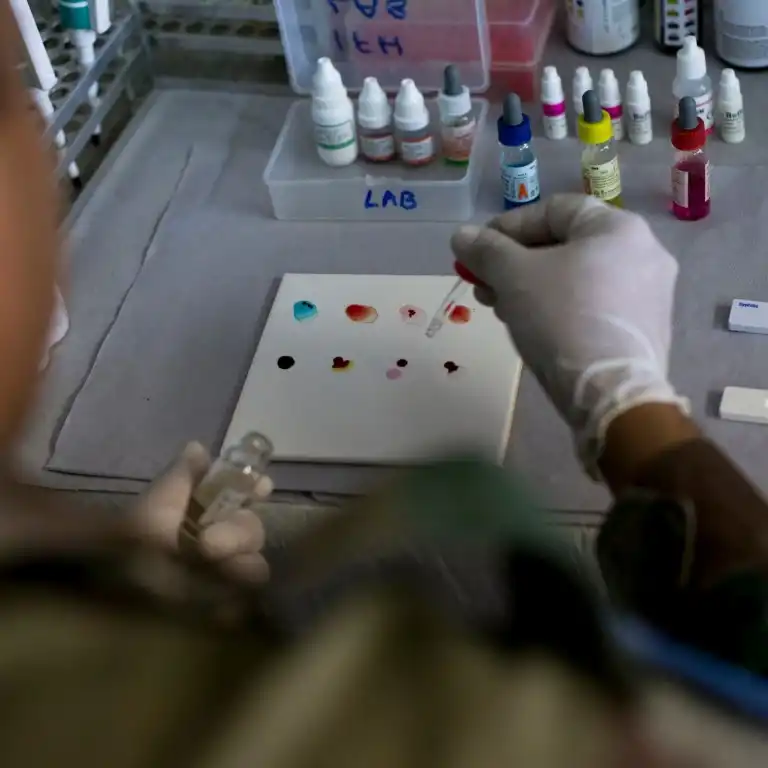
PHOTO CREDITS: RADIO MIRAYA - Malaria Surge in Upper Nile Strains Local Health System
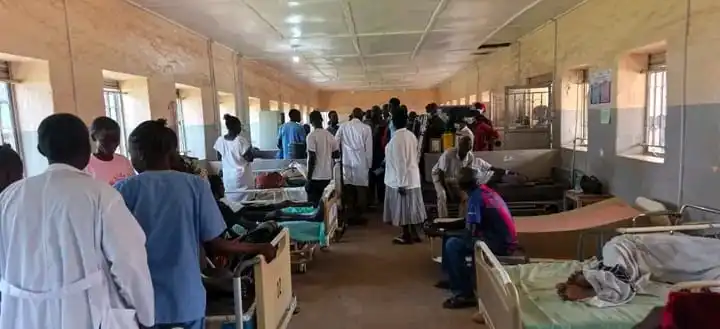
(LONGECHUK, UPPER NILE STATE) – A surge in malaria cases has overwhelmed health services in Longechuk County, Upper Nile State, with officials reporting over 700 hospital admissions linked to the outbreak.
The County Commissioner, Tutlith Koang, confirmed that at least five people have died due to complications from the mosquito borne disease. He warned that the situation could deteriorate further without urgent intervention.
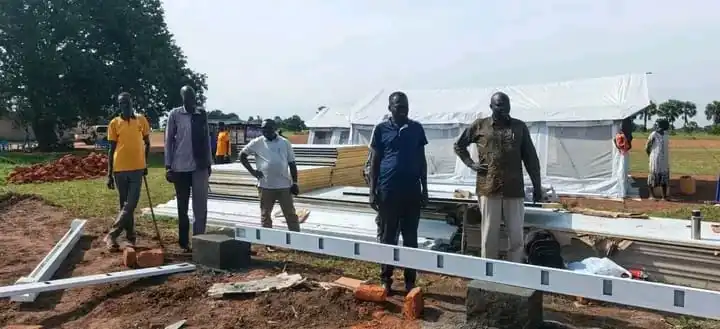
Koang made an appeal to South Sudan’s national health authorities and international humanitarian agencies to deploy immediate medical support to contain the outbreak. He emphasised that the local health system is overstretched and under resourced to manage the rising number of patients.
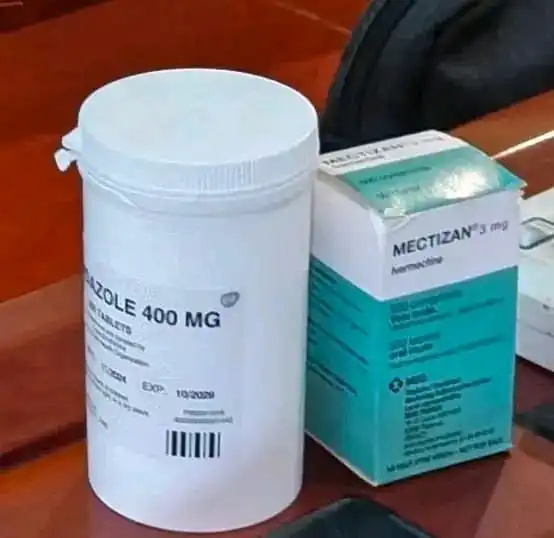
“We are witnessing an alarming increase in malaria cases. Our medical facilities are at full capacity. We are in urgent need of medical supplies, mosquito nets, and trained personnel,” the commissioner said.
Longechuk is a remote county near the Ethiopian border that has long faced difficulties in accessing basic healthcare. The onset of the rainy season has exacerbated the spread of malaria, with stagnant water creating ideal breeding grounds for mosquitoes.
The commissioner noted that without immediate action, the death toll may continue to rise.
Malaria remains one of the leading causes of illness and death in South Sudan, especially during the rainy months of May to October. According to the World Health Organization, malaria accounts for over 40 percent of outpatient visits in the country.
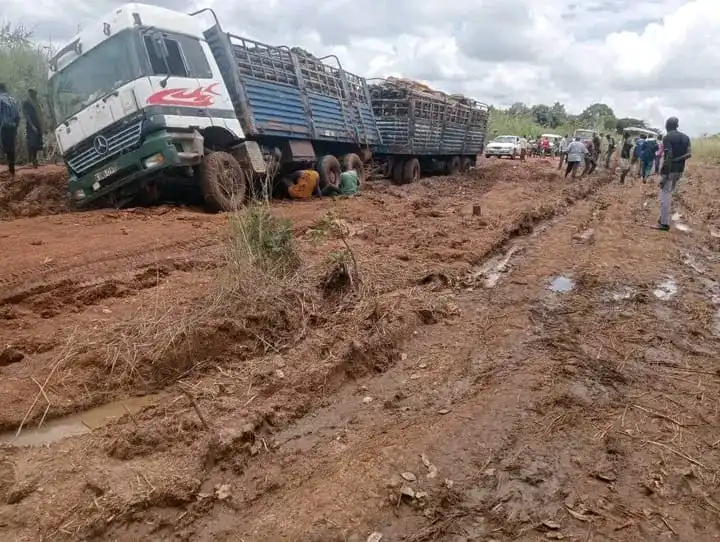
The economic burden of the disease is also severe. Families must often travel long distances to access health services or rely on expensive private treatment. In Longechuk, the lack of paved roads and functioning health infrastructure makes rapid response challenging.
The cost of transporting medical supplies to the area has increased due to fuel shortages and insecurity along key supply routes.
While malaria is both preventable and treatable, consistent support and resources are required to manage outbreaks. Health officials in Upper Nile are urging partners such as the World Health Organization, UNICEF, Médecins Sans Frontières, and national agencies to act swiftly.
With competing global emergencies and reduced international funding, local officials fear that rural regions like Longechuk may be left behind.
Commissioner Koang stressed that the lives of vulnerable groups, particularly children and pregnant women, are at highest risk.
“If nothing is done in the coming days, we may see more avoidable deaths,” he said.
Discover more from Access Radio Yei News
Subscribe to get the latest posts sent to your email.