

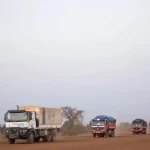







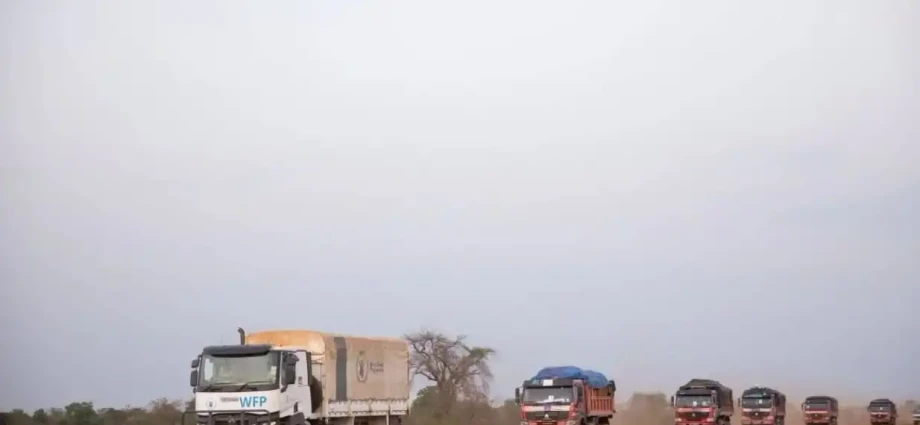
(JUBA, SOUTH SUDAN) – The United Nations World Food Programme has strongly condemned a severe security incident and the forced offloading of humanitarian food assistance during a recent river convoy operation in Ayod County, Jonglei State.
On 29th September 2026, armed youth in Chuilbong assaulted and threatened two humanitarian staff members at gunpoint in order to block life saving food assistance from reaching government controlled Mogok.
The incident took place in the presence of local authorities and followed extensive negotiations to secure safe passage for the river convoy from Chuilbong to Mogok in Ayod North and onward to Ayod South.
Faced with persistent resistance and the inability of local authorities to guarantee safe passage or exercise effective control, and to ensure the immediate physical safety of its personnel, the World Food Programme instructed the convoy team to offload food commodities under duress.
An estimated 162.54 metric tons of food assistance, intended to feed 4,400 vulnerable people for three months in Mogok, was forced off the convoy.
The World Food Programme confirmed that the remaining team and assets, including personnel from cooperating partner Action Against Hunger and an estimated 291.48 metric tons of food assistance allocated for Ayod South, were secured and safely returned to Malakal on 2nd October 2026 without further incident.
The World Food Programme called on all parties to the conflict to respect their obligations under international humanitarian law, protect civilians and civilian infrastructure, and ensure the safe and unimpeded movement of humanitarian personnel and cargo.
It said aid workers are not, and must never be, a target.
It added that they must be protected from violence, threats and intimidation so they can safely deliver life saving assistance to communities in need.
According to the United Nations World Food Programme, the agency is the world’s largest humanitarian organisation saving lives in emergencies and using food assistance to build a pathway to peace, stability and prosperity for people recovering from conflict, disasters and the impact of weather extremes.
Discover more from Access Radio®
Subscribe to get the latest posts sent to your email.