



















(KHARTOUM, SUDAN) – Sudan has appointed a new head of its side of the Abyei Joint Oversight Committee and restated its position that South Sudan’s decision to include the disputed region in its December elections does not align with existing agreements.
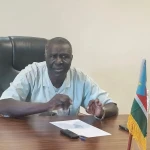
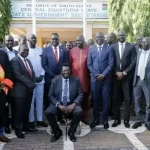
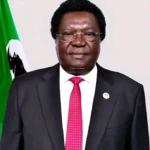
The Chairman of Sudan’s Transitional Sovereignty Council, General Abdel Fattah al-Burhan, issued Decision No. 398 of 2026 on 23rd September 2026, relieving Police Lieutenant General Dr. Hamed Manan Mohamed Mirghani of his post and appointing Major General (Retired) Al-Khair Abdullah Idris Abu Mardat as head of the joint oversight committee on the Sudan side.
The decision was announced by the Sudan News Agency in September 2026.
In his first press statement after taking office, Abu Mardat said Sudan’s sovereignty over Abyei and the rights of its citizens to security and a decent life are firm principles that cannot be conceded.
He said the Sudanese government has made clear its position on South Sudan holding elections in the Abyei area. He noted the matter had previously been discussed with senior South Sudanese officials, with emphasis on the need to adhere to the administrative and security arrangements agreement for Abyei.
Abu Mardat said the signed agreements on Abyei had identified the appropriate mechanism for reaching a final solution to the issue. He said any unilateral measures regarding the future of the region would obstruct efforts to reach a final and consensual settlement.
He said the next phase requires strengthening communication and dialogue, protecting citizens’ rights, and working to entrench security and stability in the area. He said this would preserve the rights of Abyei residents and create conditions for a final solution.
“Abyei is a national issue, and protecting the rights of its citizens and adhering to the signed agreements represent a foundation that cannot be bypassed in any path toward a solution,” Abu Mardat said.
Foreign Minister Mohieddin Salem Ahmed expressed his wishes for Abu Mardat’s success in carrying out his duties. He affirmed the Ministry of Foreign Affairs and International Cooperation’s readiness to provide the necessary support to the committee.
The Foreign Minister said the Sudanese government gives special attention to the Abyei Area, given its historical and social significance and its role as a space for interaction, coexistence and shared interests among local communities.
He said this reflects the depth of the historical and social ties between the peoples of Sudan and South Sudan, according to the Sudan News Agency.
The Minister explained that Sudan views Abyei as a bridge connecting the two peoples. He said the shared history, human and social ties, and common interests between Sudan and South Sudan are deeper and more enduring than any temporary political dispute.
He stressed that dialogue and consensus between the two countries represent the best path toward reaching a lasting settlement that preserves rights and safeguards the historical and social relations between the two peoples.
The Minister said issues related to the Abyei Area should be addressed through dialogue and understanding between the governments of the two countries, through peaceful and fraternal means, and within the framework of the references and agreements signed between Sudan and South Sudan.
These include the Abyei Protocol annexed to the 2005 Comprehensive Peace Agreement, the 2011 Agreement on Temporary Administrative and Security Arrangements for the Abyei Area, and the relevant joint bilateral mechanisms.
The appointment comes amid ongoing discussion over South Sudan’s decision to include Abyei as an electoral constituency in Warrap State for its general elections scheduled for 22nd December 2026.
Sudan’s Foreign Ministry said in July 2026 that the decision by South Sudan’s National Elections Commission does not align with the Abyei Protocol annexed to the 2005 Comprehensive Peace Agreement.
The ministry said the decision also does not align with the 2011 Agreement on Temporary Administrative and Security Arrangements for the Abyei Area, which paved the way for UN Security Council Resolution 2046 calling for negotiations between the two countries without conditions to reach a final solution on Abyei.
According to the Al Jazeera Centre for Studies in September 2026, the differing positions reflect a fundamental difference in approach. South Sudan views Abyei through the lens of political participation and institution building, while Sudan sees it as a final status issue governed by the Abyei Protocol and previous agreements.
Abyei has remained disputed since South Sudan gained independence in 2011. The 2005 peace agreement gave the region special administrative status and provided for a referendum on its final status, but the vote was never held amid disagreements over eligibility and other arrangements.
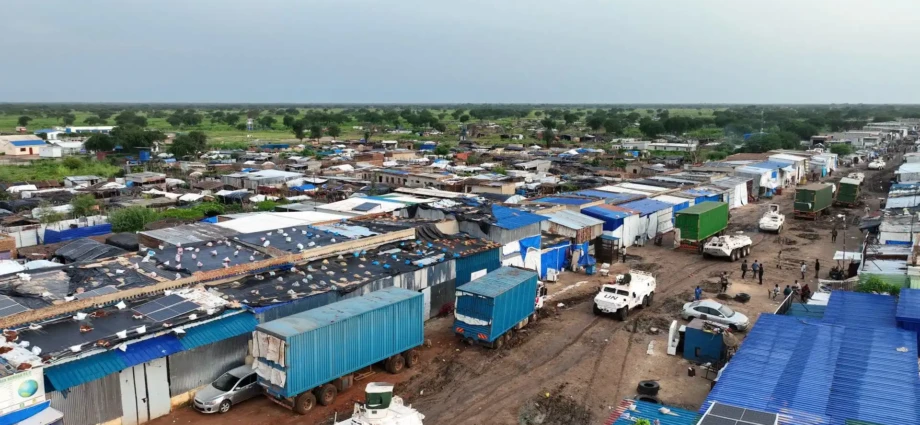
The United Nations Interim Security Force for Abyei was established in June 2011 after renewed violence and displacement in the area. Its mandate includes monitoring security arrangements, facilitating humanitarian access and supporting efforts to maintain stability.
The UN Security Council extended UNISFA’s mandate until 15th November 2026, with a troop ceiling of 3,250 personnel and an authorised police strength of 640 officers.
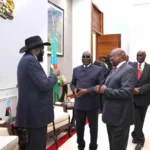
A joint statement issued after a meeting of the Joint Political and Security Mechanism on 10th August 2026 welcomed options presented by UNISFA regarding the future of the Joint Border Verification and Monitoring Mechanism. It called on both states to submit their observations before the next meeting of the mechanism, scheduled for 20th October 2026 in Khartoum.
The statement also urged the Abyei Joint Oversight Committee to resume its regular meetings and called on the leaders of both states to decide on issues previously referred to them, including the Athony airstrip.
Discover more from Access Radio®
Subscribe to get the latest posts sent to your email.