


















(JUBA) – The South Sudan Meteorological Department has issued a public warning about potential flooding in several parts of the country due to expected heavy rains between July and September.
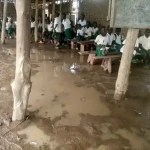
The alert comes as some areas, including Jonglei State and the Greater Pibor Administrative Area, are already experiencing flooding.
In its recent weather outlook, the Department reported that Eastern Equatoria, Greater Pibor, Jonglei and the eastern parts of Upper Nile State are forecast to receive above normal rainfall in the coming months.
These weather conditions may lead to more widespread flooding, especially in low lying areas.
Areas most at risk of flooding
| State/Area | Risk Level | Forecasted Rainfall | Status |
|---|---|---|---|
| Jonglei | High | Above Normal | Flooding already reported |
| Greater Pibor | High | Above Normal | Flooding already reported |
| Eastern Equatoria | High | Above Normal | At risk |
| Upper Nile (East) | Moderate to High | Above Normal | At risk |
| Areas bordering Jonglei | Moderate to High | Above Normal | At risk |
Speaking to Radio Miraya, weather forecaster Samuel Tong advised residents in high-risk areas to take immediate precautions. He urged people living in low lying zones to move to higher ground and stay informed by following official weather reports.
“The outlook shows that above-normal rainfall in some areas may lead to flooding, which is already happening in Jonglei State and Greater Pibor Administrative Area,” said Tong.
“My message to people in these locations is to take precautionary measures, follow weather updates closely, and protect themselves and their property.”
Other parts of the country are expected to experience dry conditions, according to the same outlook. These areas include Warrap, Northern Unity and parts of Western Bahr el Ghazal.
Areas expected to remain dry
| State/Area | Rainfall Forecast | Expected Condition |
|---|---|---|
| Warrap | Below Normal | Dry |
| Northern Unity | Below Normal | Dry |
| Western Bahr el Ghazal (Parts) | Below Normal | Dry |
The warning is especially important for communities whose homes, farms and roads are vulnerable to floodwaters. South Sudan’s rainy season often puts pressure on already fragile infrastructure and displaces people in vulnerable areas.
The country has seen repeated seasonal floods in recent years, which have led to widespread displacement, food shortages and disruption of basic services.
Humanitarian organisations, such as the International Organization for Migration (IOM), have warned that climate related shocks like floods are deepening the country’s humanitarian crisis.
The Meteorological Department is encouraging all residents in high risk zones to stay alert, follow weather bulletins and take early action to reduce the risk of loss of life and property damage.
Discover more from Access Radio®
Subscribe to get the latest posts sent to your email.