









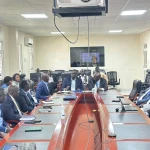













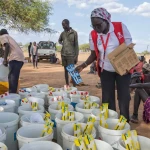

(NAIROBI) – Scientists and policymakers from across the Greater Horn of Africa have warned that shifting rainfall patterns could intensify climate related risks in the region, including in South Sudan. The caution came during the 71st Greater Horn of Africa Climate Outlook Forum, held from 25 to 26 August 2025 in Nairobi.
The event, organised by the IGAD Climate Prediction and Applications Centre (ICPAC) in collaboration with development partners, brought together climate scientists, government officials, researchers, the private sector and humanitarian actors.
The forum assessed the performance and impacts of the June to September rainy season and presented forecasts for the critical October to December period.
According to ICPAC, the October to December rains are vital for equatorial parts of the region, contributing up to 70 per cent of the annual rainfall in areas such as Kenya and Somalia.
The latest forecast suggests a high probability of below normal rainfall across most of the Greater Horn of Africa. However, some areas, including southeastern South Sudan, as well as northeastern and southwestern Uganda, are expected to receive wetter than average conditions.
The outlook also projects above normal rainfall in the western parts of the region, particularly in southeastern South Sudan, northern Somalia, Rwanda and parts of Uganda.
Scientists said there is a 70 per cent chance of rainfall exceeding 300 millimetres in western Kenya, southern Uganda, large parts of Rwanda and Burundi, and northwestern Tanzania.
At the same time, the eastern areas of the region are expected to experience a delayed start to the rainy season. These include southern Somalia, eastern and central Kenya, and parts of southern and eastern Tanzania.
By contrast, early or normal rainfall onset is forecast for much of the western Greater Horn of Africa, including southern South Sudan, Uganda, Rwanda, Burundi, western Kenya and parts of Ethiopia and Tanzania.
Representatives from all 11 IGAD member states Burundi, Djibouti, Eritrea, Ethiopia, Kenya, Rwanda, Somalia, South Sudan, Sudan, Tanzania and Uganda took part in the forum.
Participants also included experts from agriculture, food security, water resources, livestock, health, disaster risk management, conflict prevention, media and humanitarian organisations.
The regional forum was held under the theme “Climate Services for Closing the Early Warning Gap Together”.
Experts stressed that improved early warning systems and effective climate services are critical for reducing risks, building resilience and helping communities prepare for extreme weather events.
Regional Rainfall Outlook (October–December 2025)
| Region / Country | Forecast |
|---|---|
| Southeastern South Sudan | Wetter than usual, above normal rainfall expected |
| Southern South Sudan | Early to normal onset of rains |
| Kenya (eastern and central) | Below normal rainfall, delayed onset |
| Somalia (southern) | Below normal rainfall, delayed onset |
| Uganda (northeast and southwest) | Wetter than usual, above normal rainfall expected |
| Western Kenya, southern Uganda, Rwanda, Burundi, NW Tanzania | High likelihood of rainfall above 300 mm |
| Ethiopia (southwest) | Early to normal onset of rains |
The forecast highlights both risks and opportunities for South Sudan.
While drier than usual conditions may affect parts of the region, increased rainfall in South Sudan’s southeast and south could benefit agriculture and livestock but also raise the threat of flooding.
Policymakers and humanitarian agencies say the challenge lies in balancing preparedness for both drought and flood risks in a country already vulnerable to climate shocks.
Discover more from Access Radio®
Subscribe to get the latest posts sent to your email.