







(JUBA) – Senior government officials, conservationists and infrastructure experts have begun discussions on how South Sudan can expand its infrastructure while protecting critical wildlife habitats and migration corridors.
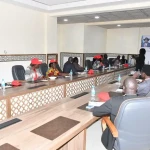
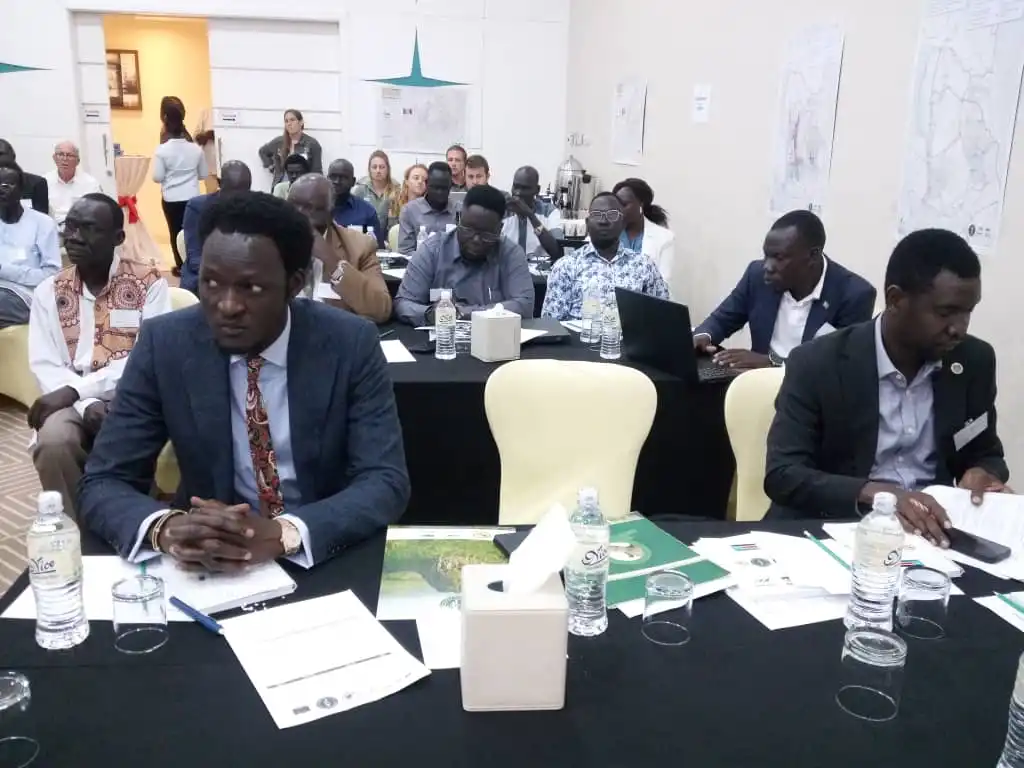
The deliberations took place during a national workshop in Juba focused on ecologically sensitive linear infrastructure, where experts warned that poorly planned development could threaten one of the world’s largest land mammal migrations.
Officials acknowledged the urgent need to improve transport and communication networks to better connect communities to markets, schools, and healthcare services, while ensuring environmental protection remains a key priority.
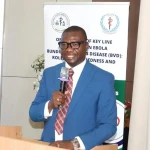
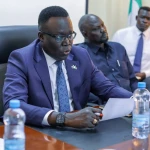
“South Sudan stands at a historic crossroads,” said Peter Loro, Undersecretary in the Ministry of Wildlife, Tourism and Conservation. “If we build blindly, we risk fragmenting critical habitats and disrupting ancient migration corridors.”
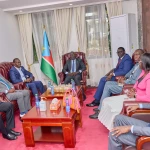
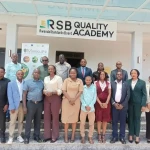
The workshop brought together representatives from the ministries of transport, lands, wildlife, and roads, as well as conservation organizations, including African Parks.
George Ritti Richard, Director for Land at the Ministry of Lands, Housing and Urban Development, described infrastructure such as roads, electricity lines, pipelines, and fiber optic cables as the “backbone of national development.”
“As South Sudan continues its journey of nation-building and recovery, the demand for modern and environmentally sustainable infrastructure is increasing,” he said.
Officials from the Ministry of Transport revealed that the government is working on a strategic road transport policy that incorporates environmental considerations into future projects.
The South Sudan Roads Authority also highlighted ongoing and planned projects, including the Kapoeta–Boma corridor, the Pagak–Palouch road, and the Bor–Malakal–Renk highway.
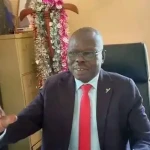
Kose Luke Igga, Executive Director of the South Sudan Roads Authority, said environmental impact assessments are being integrated into planning processes, especially for projects passing through wetlands and wildlife migration routes.
“How do we build these lifelines without damaging the lifelines of our environment?” he asked.
Conservation experts noted that South Sudan still has an opportunity to avoid mistakes made in other countries by carefully planning development before large-scale urbanization accelerates.
Dr. Tim Philip Burke, Land Use Coordinator for African Parks, emphasized the need for stronger coordination between government ministries to prevent overlapping land-use claims involving roads, conservation areas, and oil blocks.
“South Sudan has a lot of opportunities to think about how they want to develop as a country,” Burke said. “It is very hard to look back and wish you developed differently.”
Wildlife Minister Denay Jock Chagor urged participants to treat environmental protection as a shared national responsibility.
“We are building a nation,” Chagor said. “When we discuss land use, we must remember this land belongs to all South Sudanese.”
Discover more from Access Radio®
Subscribe to get the latest posts sent to your email.