





















(LASU PAYAM / YEI RIVER COUNTY) – A senior health official in Yei River County has raised concern over the unrestricted movement of people across porous border points between South Sudan and the Democratic Republic of Congo (DRC), citing fears of a potential Ebola outbreak.
Simon Sebit, Director of the Yei County Health Department, warned that the ongoing spread of the deadly Ebola virus in Ituri Province of the DRC poses a serious risk to communities along the border.
Call for Urgent Government Action:
Speaking to Access Radio on Tuesday, Sebit emphasized the need for coordinated action by national, state, and county authorities to strengthen surveillance and regulate cross-border movement.
“There is a need for stronger enforcement and preparedness at all levels of government to monitor movement at the border points,” he said.
Although some precautionary measures have been introduced at Yei Civil Hospital, Sebit stressed that broader interventions are necessary to safeguard public health.
“We have implemented basic control measures at the hospital, including restricting entry through the main gate and ensuring that all pedestrians wash their hands before accessing the facility,” he explained. “This is because we have already received reports of an Ebola outbreak in Ituri, Congo.”
Preparedness Measures Underway:
Sebit revealed that he has called for an urgent meeting with government agencies and non-governmental organizations to establish a mobile task force. The task force will focus on surveillance, public awareness, monitoring, and control measures in high-risk areas.
“I have called on NGOs and relevant authorities to come together so that we can prepare adequately,” he said. “We need to set up Ebola screening centers at border entry points, especially because Yei is very close to the DRC.”
Yei River County lies approximately 28 miles from Aba town in the DRC through Lasu Payam, making it particularly vulnerable to cross-border health risks.
Public Urged to Remain Vigilant:
Sebit also called on members of the public to remain alert and report any suspected Ebola cases to the nearest health facility. He stressed that preventing the spread of the virus requires collective responsibility.
“Ebola can spread when people move from one place to another, so we must all be cautious,” he said. “Avoid eating cold food, wash fruits properly, refrain from consuming bush meat, and do not touch sick individuals.”
Awareness Campaigns Planned:
Health officials plan to collaborate with media outlets and community platforms to raise awareness about Ebola prevention and safety measures.
Sebit reiterated that community cooperation is critical in preventing a potential outbreak, noting that early preparedness, surveillance, and public education are the best defenses against the spread of the disease.
As concerns grow, local authorities are expected to intensify efforts to protect communities from the looming threat posed by the Ebola outbreak across the border.
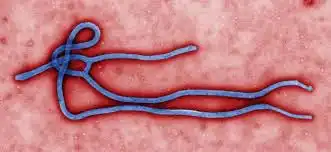
EBOLA VIRUS DISEASE (EVD)
is a rare but severe and often fatal illness caused by the Ebola virus. It is not naturally airborne; rather, it spreads through direct contact with bodily fluids from infected humans or animals, and can be prevented through rigorous hygiene, isolation and vaccination.
Causes
The virus is initially transmitted to humans through close contact with the blood, secretions, organs, or other bodily fluids of infected wild animals (such as chimpanzees, gorillas, fruit bats, monkeys, forest antelope, or porcupines) found in the rainforest.
Once a human is infected, the virus spreads from person to person through:
- Direct contact with the blood or body fluids (saliva, sweat, vomit, feces, semen, breast milk) of an infected person.
- Contact with contaminated objects (like needles, clothing, or bedding).
- Direct contact with the bodies of individuals who died from Ebola.
Symptoms
Symptoms typically appear 2 to 21 days after exposure (averaging 4 to 10 days). Early symptoms are flu-like, which later progress to severe, life-threatening complications.
- Early “Dry” Symptoms: Sudden fever, severe fatigue, muscle and joint pain, headache, and sore throat.
- Late “Wet” Symptoms: Vomiting, diarrhea, stomach pain, and unexplained bleeding or bruising (both internal and external).
- Advanced Complications: Red eyes, skin rash, impaired kidney and liver function, multi-organ failure, and shock.
Prevention:
Preventing the spread of Ebola requires community engagement, strict infection control, and immunization. Key preventative measures include:
Safe Sexual Practices: Because the virus can persist in semen and breast milk long after recovery, survivors should practice safe sex (use condoms) or abstain from sex for a designated period.
Practice Good Hygiene: Wash hands frequently using soap and water or an alcohol-based hand sanitizer.
Avoid High-Risk Contact: Do not touch the body fluids of anyone showing Ebola symptoms. Avoid contact with wild animals, including their raw meat.
Safe Burials: Handle the remains of individuals who have passed away from Ebola using strictly controlled, safe burial protocols.
Vaccination: Vaccines (such as Ervebo) have been developed and are used in outbreak zones to protect at-risk populations and frontline workers.
Discover more from Access Radio®
Subscribe to get the latest posts sent to your email.