








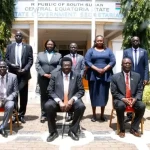



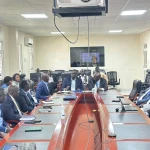


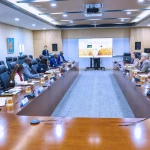


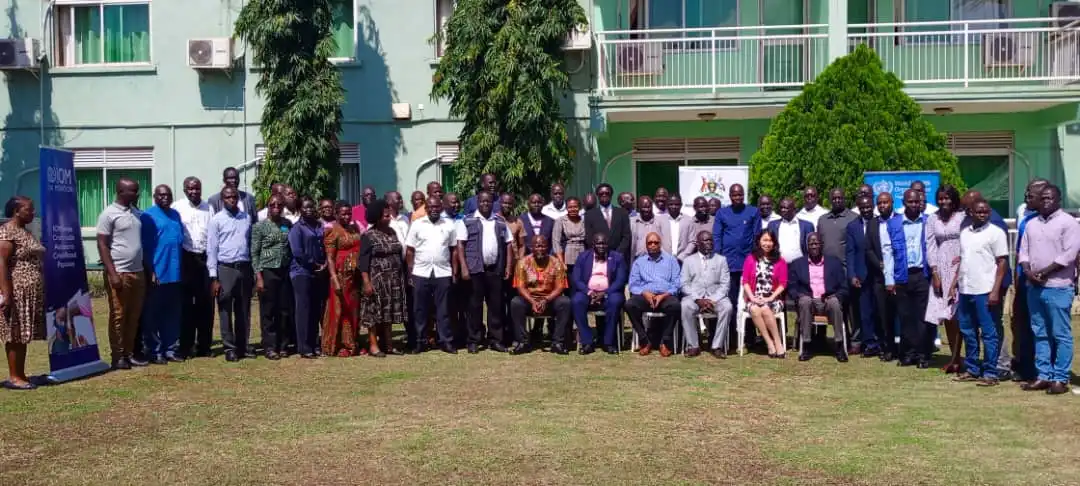
(GULU, UGANDA) – South Sudan and Uganda have agreed to strengthen cooperation in fighting cross border diseases following a three day meeting in Gulu that focused on improving regional health security and information sharing.
The meeting, which ended on 11 September 2025, was organised by the International Organization for Migration (IOM) under the theme Strengthening Regional Collaboration for Disease Prevention, Detection, and Response.
It brought together representatives from the Ministries of Health, immigration and security officials, and international partners, including the World Health Organization (WHO).
Delegates agreed to step up the use of a “One Health” approach, which links human, animal and environmental health, to build stronger and more resilient systems for early detection and response.
Speaking on behalf of the South Sudanese delegation, Nimule Municipality Mayor Caesar Longa Fuli said the agreement must now translate into action:
“Let us share resources, share information and coordinate. These diseases do not respect borders, so neither should our response.”
He also conveyed greetings from Eastern Equatoria State Governor Louis Lobong Lojore, reaffirming the commitment of state authorities.
Ugandan officials emphasised the sheer scale of cross border movement, which makes health cooperation vital. Amuru Resident District Commissioner Oceng Geoffrey Osbon said the Uganda Revenue Authority clears around 400 trucks daily into South Sudan, in addition to many travellers crossing on foot, bicycles and motorbikes:
“Before anything, it is health first. We must develop standard procedures to protect people at our border points.”
Dr Luka Dut, South Sudan’s Ministry of Health focal person for border health, praised existing collaboration between the two countries but stressed the need to strengthen systems further:
“The cooperation between South Sudan and Uganda has already helped improve our health services. With these meetings, we can prepare better for emergencies in the future.”
Uganda’s cross border surveillance officer, Patrick Lamot, warned of new risks, including the recent Ebola outbreak declared in neighbouring Congo:
“Because people are mobile, the chance of diseases spreading is high. We must find new ways to prevent outbreaks from repeating themselves.”
Dr Moses Ebong from Uganda’s Ministry of Health also stressed the importance of regular dialogue. He pointed to cholera cases along the border as a clear example of why cooperation is essential.
He thanked Governor Louis Lobong Lojore for his efforts to improve coordination across the border, saying it contributed not only to better health outcomes but also to stronger social and economic development.
The WHO has long argued that cross border cooperation is vital to control diseases, as outbreaks do not stop at national boundaries. The organisation advises joint surveillance, shared outbreak investigations, the exchange of medicines and supplies and common preparedness plans.
Delegates agreed that stronger communication channels and cross border referral systems are needed to ensure patients receive timely care and to limit the impact of future outbreaks, according to a press statement by the office of the mayor of Nimule Municipality.
Key Issues Raised in the Gulu Meeting
| Issue | Action Proposed |
|---|---|
| Cholera in South Sudan | Joint prevention and treatment measures |
| Mpox in Uganda | Information sharing and monitoring |
| Ebola threat from Congo | Preparedness and surveillance |
| Cross border movement (400 trucks daily plus individuals) | Standard operating procedures at entry points |
| Regional cooperation | Strengthened “One Health” approach |
The mayor’s press unit also reported that officials from both countries said the discussions would now be translated into clear action plans at the border points, where health personnel will work more closely to ensure safety for travellers and communities.
Discover more from Access Radio®
Subscribe to get the latest posts sent to your email.