

















(WAU, WESTERN BAHR EL GHAZAL) – A cassava flour processing project has been launched in Wau, Western Bahr el Ghazal State, in an effort to tackle economic hardship, improve food security and support self-reliance through locally available crops.
The project is led by Ya Mama Goum and supported by CORWADO, the Consortium of Rural Women for Agribusiness Development Organization, according to a statement issued in October 2026.
It is funded through the Localized Approaches to Food System Transformation project, known as LAST, which is financed by the Government of Norway.
CORWADO said it was proud to support the launch, describing the initiative as part of wider efforts to address economic challenges, promote food security and strengthen self-reliance using locally available crops.
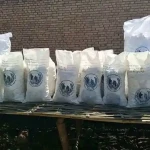
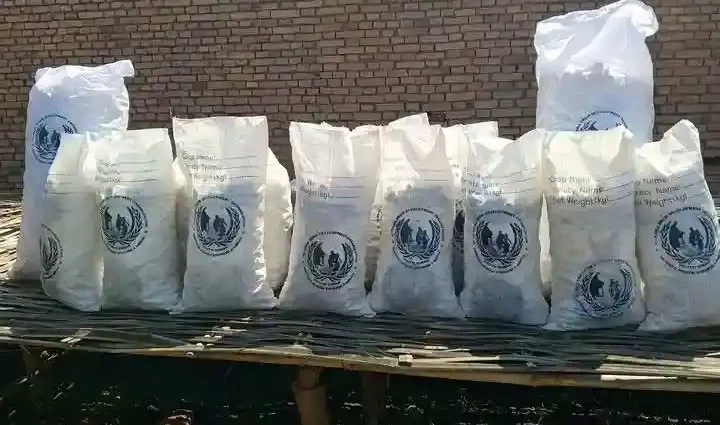
The newly packaged cassava flour will soon be available at affordable prices for families, individuals, local traders and vulnerable households in local markets.
CORWADO said it looked forward to seeing the project contribute to improved food security, better livelihoods and increased use of locally produced agricultural resources in communities.
The Royal Norwegian Embassy in Juba is a partner in the initiative.
The launch comes as South Sudan continues to face severe food insecurity and high food prices. The Food and Agriculture Organization and the World Food Programme warned in February 2026 that rising food prices and climate shocks would likely push more people into acute food insecurity during the April to July lean season.
The latest Integrated Food Security Phase Classification analysis for South Sudan projected that about 6.4 million people would face high levels of acute food insecurity during that period, the highest number since independence in 2011.
The agencies noted that food prices remained at historic highs, driven by the depreciation of the South Sudanese pound, high transport costs and disrupted supply chains, while cereal prices remained significantly above the five year average.
Cassava is widely grown in South Sudan’s Equatoria region and parts of Western Bahr el Ghazal, and is seen as a resilient crop that can support food security and income generation.
Discover more from Access Radio®
Subscribe to get the latest posts sent to your email.