











Central Equatoria stands at a defining moment in its history. As South Sudan continues to evolve politically, socially, and economically, the state faces growing questions about land ownership, development, demographic strength and the future of its communities. The decisions made today will determine whether future generations inherit a prosperous and secure homeland or struggle with challenges that could have been addressed through long-term planning and collective action.
One of the realities confronting Central Equatoria is its relatively low population density across many rural areas. Vast stretches of productive land remain underutilised, while increasing pressure on land and natural resources continues to be felt in different parts of the state. For many communities, land is more than a physical asset. It is a source of identity, culture, livelihood, and heritage. Protecting it requires not only legal safeguards but also vibrant and thriving communities that actively occupy, utilise and develop their ancestral territories.
Population growth, therefore, deserves to be part of the broader conversation about the future of Central Equatoria. A growing population can provide the human capital needed to cultivate land, expand economic activities, strengthen local markets, and support essential public services. Schools, health facilities, businesses and infrastructure all depend on a sustainable and productive population base. Without sufficient human resources, development efforts often struggle to reach their full potential.
Young people have a critical role to play in shaping this future. Family formation remains one of the foundations of community continuity and social stability. Encouraging young people to establish families and contribute positively to society can help strengthen communities and ensure that future generations continue to participate in the economic and social development of the state. At the same time, such efforts must go hand in hand with investments in education, healthcare, employment and skills development to ensure that population growth translates into shared prosperity.
Government institutions also have an important responsibility. Policies that make marriage and family life more accessible and affordable can help address some of the social and economic barriers facing young people. Measures aimed at reducing excessive marriage costs, supporting family livelihoods, expanding access to housing and creating economic opportunities can encourage stronger and more stable households. Such initiatives should form part of a wider development strategy focused on improving living standards and strengthening communities.
However, population growth alone cannot guarantee land security. Communities must remain vigilant in protecting their rights through lawful and peaceful means. Organising land cooperatives, documenting land ownership, strengthening community awareness making full use of legal mechanisms are essential steps in safeguarding ancestral lands. Equally important is ensuring that government institutions enforce land laws fairly and transparently, protecting citizens from unlawful land acquisition and disputes.
The future of Central Equatoria will depend on its ability to balance demographic growth with economic development, social cohesion, and effective governance. A larger and more productive population can enhance local security, strengthen economic activity and increase the state’s influence in national affairs. Yet these gains will only be realised if growth is accompanied by investment in human development and respect for the rule of law.
Central Equatoria possesses enormous potential. Its fertile land, strategic location, energetic youth population and rich cultural heritage provide a strong foundation for progress. By investing in people, supporting families, protecting land rights, and promoting sustainable development, the state can position itself as a model of resilience and prosperity in South Sudan.
The road ahead requires vision, unity, and determination. If communities and leaders work together to address these challenges, Central Equatoria can secure its heritage, strengthen its future, and emerge as a beacon of development and leadership for generations to come.
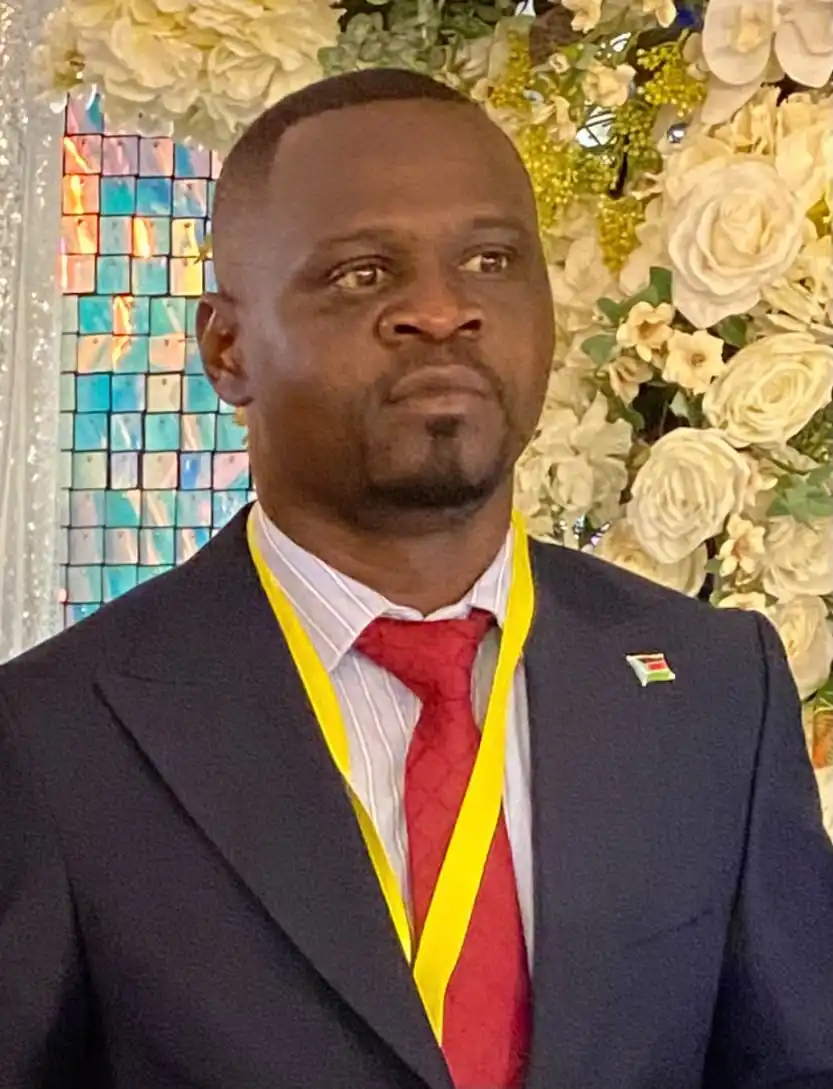
Emmanuel Khemis Peter: A Socio-Economic Advocate in South Sudan
Disclaimer: The views expressed in this opinion article are those of the author and do not necessarily reflect the views of Access Radio and its editorial policy.
Discover more from Access Radio®
Subscribe to get the latest posts sent to your email.