



The Fate, the Gamble and the Maneuver Ahead
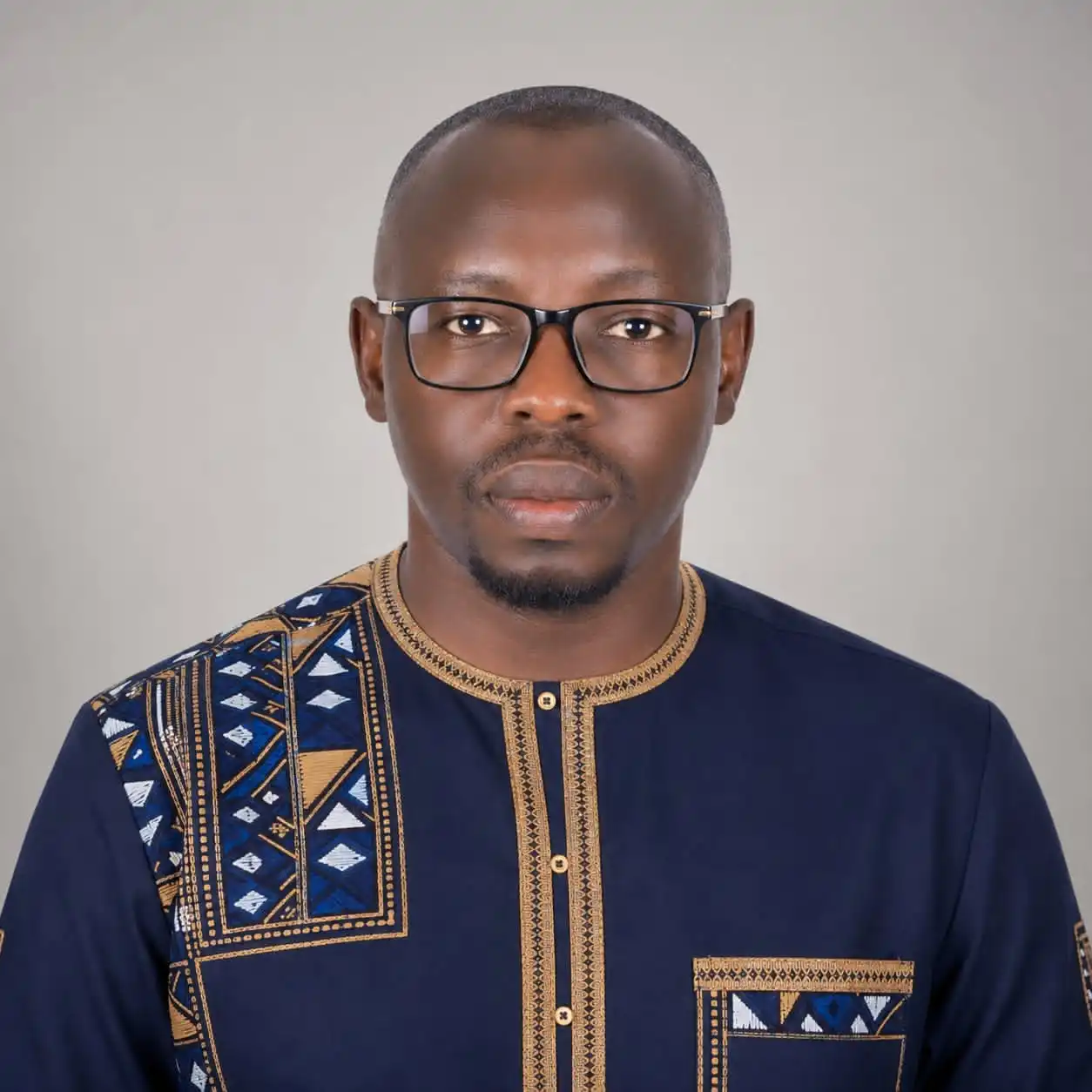
By Hon. Mogga Charles Guya
Secretary for Foreign Affairs, SSNMC – Juba
South Sudan has entered a decisive chapter in its democratic journey. With approximately 120 days remaining before the scheduled general national elections, the country stands at a critical crossroads. The countdown is no longer a matter of political debate, speculation or postponement. It is a national test of readiness, leadership and commitment to the aspirations of the South Sudanese people.
The question facing the nation is both simple and profound: Can South Sudan organise elections that genuinely reflect the will, hopes and dignity of its citizens within the time remaining?
The answer lies not in miracles or extraordinary interventions but in political will, institutional preparedness, transparency and a willingness by all stakeholders to place national interests above political calculations.
The Fate of a Nation
The future of South Sudan is closely tied to the credibility of its electoral process. Elections are more than campaigns, ballots and results. They are a mechanism through which citizens choose leaders, shape governance and influence the direction of their country.
A credible, inclusive and peaceful election could mark a historic transition from prolonged political uncertainty to legitimate democratic governance. Conversely, a poorly managed process risks deepening mistrust, fuelling divisions and undermining confidence in public institutions.
Across the country, ordinary citizens are closely watching developments. Farmers seek security and access to markets. Young people seek education, jobs and opportunity. Mothers want healthcare services and clean water. Businesses look for stability, reliable infrastructure and predictable policies. Communities want roads, communication networks and leaders who remain accountable after winning elections.
For this reason, the election cannot become an elite political contest disconnected from the daily realities of ordinary South Sudanese.
The Gamble Before Us
The next four months represent a significant political gamble.
It is a gamble on whether political leaders will prioritise national responsibility over political convenience. It is a gamble on whether institutions will work collaboratively rather than competitively. It is a gamble on whether political parties will have sufficient space to engage voters and whether citizens will receive adequate information about their rights and responsibilities.
Elections require far more than the announcement of a polling date. They demand functioning institutions, adequate financial resources and robust operational planning.
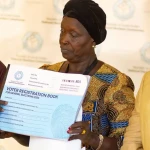
Among the critical requirements are a well-resourced electoral commission, effective voter registration systems, trained election officials, sufficient polling infrastructure, civic and voter education programmes, credible dispute-resolution mechanisms and transparent management of results.
Equally important are security arrangements that protect voters and election workers without intimidating them, as well as equal opportunities for candidates and political parties to communicate their programmes.
Without these foundations, elections risk becoming a ceremonial exercise rather than a meaningful expression of popular sovereignty.
The Necessary National Maneuver
The remaining 120 days require a coordinated national maneuver, not for political survival, but for institutional success and national stability.
Every institution involved in organising elections must urgently assess what has already been achieved, what remains outstanding and what can realistically be completed within the available timeframe.
This is not the moment for bureaucratic delays or political complacency.
South Sudan would benefit from a comprehensive election-readiness framework that tracks progress in key areas including voter registration, electoral materials, polling station preparation, training of officials, civic education, security preparedness, dispute resolution and financial readiness.
Any gaps should be openly acknowledged and addressed. Resources must be mobilised where shortages exist. Legal uncertainties must be clarified. Political dialogue must occur where consensus is required. Communities that feel excluded must be brought into the process.
The remaining days should be treated as a national period of disciplined preparation rather than panic.
Putting Citizens at the Centre
Perhaps the greatest risk is allowing the election conversation to become dominated by political elites while the ordinary citizen becomes an afterthought.
The average South Sudanese citizen is not interested in complex political theories. Instead, citizens are asking fundamental questions:
Will my vote count?
Will I be safe when I cast my ballot?
Will I have sufficient information to make an informed choice?
Will the results accurately reflect the will of the voters?
If disputes arise, where can justice be sought?
Will elected leaders remember the people after the elections?
These concerns should form the foundation of national electoral discussions. Elections are successful only when citizens believe their participation is meaningful and their voices matter.
Political Parties Must Rise Above Politics
Political parties also carry significant responsibility in shaping the success of the electoral process.
The country needs parties that move beyond personality clashes, ethnic mobilisation and political accusations. Citizens deserve clear policy proposals, practical governance programmes and realistic economic strategies.
Candidates seeking public office must recognise that leadership is not simply about acquiring power. It is about accepting responsibility for improving citizens’ lives.
Political parties should also educate supporters on peaceful political engagement, respect for political opponents and lawful avenues for resolving grievances.
A mature democracy is not one where everyone agrees. It is one where disagreements are managed peacefully and constructively.
Youth and Women Must Be Meaningful Participants
Young people represent one of South Sudan’s greatest assets. Their role in the election should extend far beyond attending rallies and supporting political personalities.
Youth should actively participate as candidates, voters, civic educators, election observers, journalists and policy advocates. The future of the country depends on transforming young people from political spectators into stakeholders.
Women must equally be placed at the centre of the electoral process. Their participation must go beyond symbolic representation. Women should have meaningful opportunities to contest positions, influence policy and contribute to electoral institutions.
No nation can claim democratic progress while half of its population remains underrepresented.
Security and Peaceful Participation
Security remains one of the most sensitive components of the electoral process.
Security institutions have a duty to safeguard voters, candidates and election officials while maintaining strict political neutrality. Protecting the ballot must never become an excuse for restricting legitimate political participation.
At the same time, political parties and candidates must reject violence and commit themselves to peaceful competition.
Clear coordination between communities, political actors, security institutions and electoral authorities is essential to prevent misunderstandings from escalating into conflict.
The Rural Majority Must Not Be Forgotten
Any credible election in South Sudan must reflect the realities of rural communities.
Poor roads, weak communication networks, insecurity and limited access to public services continue to pose significant challenges for electoral participation in many parts of the country.
Electoral planning should therefore be built around the realities of citizens rather than the convenience of institutions headquartered in Juba.
A democratic process is only meaningful when it reaches people wherever they live.
From Countdown to Action
The remaining period should be transformed into a 120-Day National Electoral Readiness Compact focused on urgent action.
This should include strengthening voter education, guaranteeing political space, improving logistical preparedness, safeguarding institutional neutrality, enhancing dispute-resolution mechanisms, mobilising resources, increasing public communication and promoting the participation of women and youth.
Above all, every political actor should ask a simple question before making any decision:
Does this action strengthen or weaken the Republic of South Sudan?
No Miracle Required, Only Political Will
There is no technological shortcut that can manufacture democratic legitimacy in four months.
What South Sudan needs is political will.
Political will can transform disagreement into dialogue. It can mobilise resources, strengthen institutions and convert challenges into opportunities.
The country does not require perfect conditions to prepare for elections. It requires honesty about existing gaps, urgency in addressing them and collective responsibility for the outcome.
As the countdown continues, South Sudan faces a defining choice.
Will the nation use the remaining days to prepare for elections that inspire confidence and strengthen democracy? Or will this period become another chapter of missed opportunities and uncertainty?
The people of South Sudan are not demanding perfection. They are demanding fairness, security, peace and a vote that matters.
The next 120 days must therefore become days of responsibility, preparation and national reflection.
Let us not gamble with the future of our Republic. Let us prepare with urgency, act with wisdom and deliver an electoral process worthy of the sacrifices that gave birth to South Sudan.
Only then can the country move beyond the ballot box towards democratic accountability, responsible leadership, national healing and sustainable development.
Disclaimer: The views expressed in this opinion article are those of the author and do not necessarily reflect the views or editorial position of Access Radio or its partners.
Discover more from Access Radio®
Subscribe to get the latest posts sent to your email.