










(JUBA) – South Sudanese policy analyst James Boboya Edimond has urged the national government to prioritise the rehabilitation and tarmacking of the 192-kilometre Juba-Nimule highway, warning that its deteriorating condition is hurting businesses, trade and economic growth.
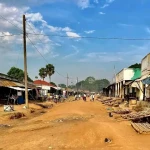
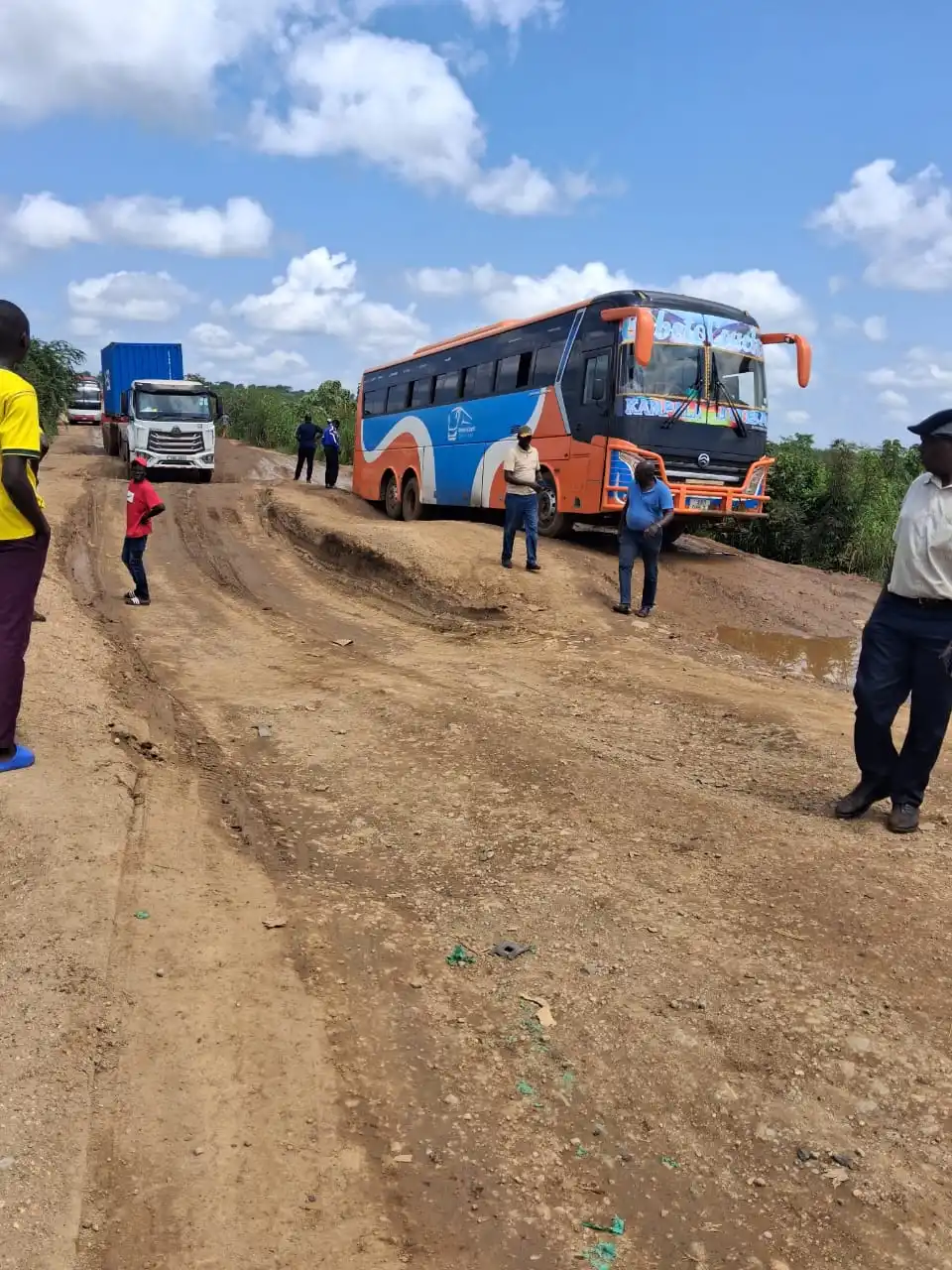
In a statement extended to Access Radio on Sunday, Boboya described the Juba-Nimule road as being in one of its worst conditions in recent years, noting that frequent accidents involving trucks and commercial vehicles have disrupted the transportation of goods and services into the country.
He said the poor state of the highway is contributing to rising economic challenges by increasing transport costs and causing delays in the delivery of essential commodities.
“Many trucks and vehicles have been overturning, affecting goods destined for South Sudan. This has created a significant economic impact on businesses bringing goods and services into the country, including companies contracted by the government, the private sector, international NGOs and the United Nations,” Boboya said.
The policy analyst described the Juba-Nimule road as South Sudan’s economic lifeline, connecting the country to regional markets in Uganda and Kenya. He noted that a journey that once took about two hours to the border now takes between seven and eight hours due to the road’s poor condition.
“The economy in South Sudan, particularly in Juba, is struggling because traders and suppliers are finding it extremely difficult to transport goods and services on time, which affects economic activity,” he added.
Boboya argued that improving road infrastructure, especially the Juba-Nimule highway, could significantly boost government revenue collection and reduce economic losses.
“Currently, the government collects around 60 billion South Sudanese Pounds in taxes every month. This amount could potentially triple if the road is fully upgraded, generating between 200 and 260 billion South Sudanese Pounds monthly,” he said.
According to Boboya, increased revenues could help address the country’s economic challenges, including liquidity shortages, salary payments for civil servants and security personnel and financing government operations.
He further stressed that infrastructure development is essential for South Sudan’s participation in regional trade agreements and its integration within the East African Community.
“We are losing a substantial amount of money every month because of poor road infrastructure. Without investment in roads and transport networks, South Sudan risks missing opportunities for economic growth and regional integration,” he said.
Boboya also highlighted the poor state of other key roads across the country, including the Juba-Yei-Kaya, Juba-Bahr el Ghazal, and Juba-Mundri-Yambio roads, saying inadequate infrastructure is discouraging foreign investment and limiting economic opportunities.
“Poor infrastructure has created an economic mismatch and reduced investor confidence. The country is struggling to attract meaningful investment because of the challenges in transportation and connectivity,” he said.
He called on the government to accelerate infrastructure projects to restore public confidence, create employment opportunities and stimulate economic development.
Meanwhile, the Minister of Roads and Bridges, Peter Lam Both, has previously stated that the government remains committed to road infrastructure development and has prioritised upgrading the Juba-Nimule highway to improve movement and facilitate trade.
However, Boboya maintained that the slow progress of road works continues to impact economic development, public health, business operations, mobility and the overall socio-economic wellbeing of South Sudan.
Discover more from Access Radio®
Subscribe to get the latest posts sent to your email.