

(JUBA) – South Sudan’s election preparations are being held back by a severe shortage of funds, with the major institutions warning that money needed to run the December polls has not arrived.
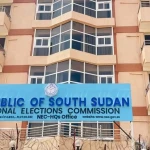
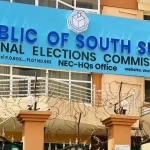
The National Elections Commission needs $250 million (approximately SSP 32.5 billion at the October 2026 market rate) to conduct the elections. It has received only $27 million so far, according to The ClarityDesk, a data journalism outlet.
The first payment of $21 million was released earlier in 2026, followed by a second payment of $6 million in June 2026. The remaining $223 million, about 89% of the total budget, is still outstanding.
The Political Parties Council told peace monitors in July 2026 that less than 40% of its allocated capital had actually reached the council. Council Chairperson James Akol Zakayo Dhiak said the shortfall was delaying verification work and that inspectors lacked vehicles, fuel and communication equipment.
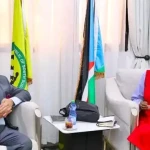
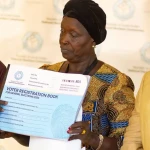
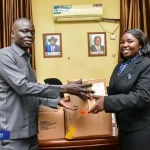
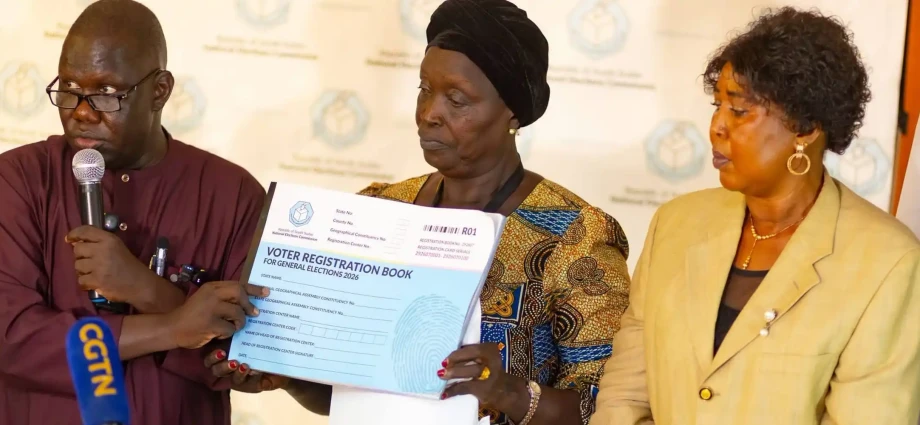
Despite these warnings, preparations have continued. The National Elections Commission presented the voter register and election forms to President Salva Kiir in October 2026. Commission Chairperson Gabriel Bol Deng said the register contains security features. It will assign a unique number to each voter to prevent duplication or fraud.
President Kiir commended the commission and urged it to complete all preparations on time. However, voter registration has still not begun, with about 75 days left before polling day on 22nd December.
The commission trained election officials from the ten states and three administrative areas in Juba in September 2026. These officials will train local registration staff when they return to their states. Spokesperson George Lemi Stans said registration will be done manually and on paper, with data later entered into the commission’s computer system.
Legal Hurdles Cleared but Opposition Stays Away
President Kiir signed a law in September 2026 dissolving the transitional government. The law removed all vice presidents and dissolved parliament. Kiir will remain president until a new leader is sworn in.
Kiir also assented to a constitutional amendment in September 2026. This removed the requirement to complete a permanent constitution and a national census before elections could be held.
The main opposition group has refused to take part. The Sudan People’s Liberation Movement-in-Opposition, led by Riek Machar, boycotted an inter-party dialogue hosted by Kiir in September 2026. Machar remains under house arrest and faces treason charges.
Budget Requests and Regional Support
The Political Parties Council has requested $23.08 million (approximately SSP 3 billion) from the African Union High-Level Ad Hoc Committee to expand its operations beyond Juba. The funds would cover a new headquarters, a digital registration system for 39 registered parties, 51 vehicles for field monitoring, and operational reserves.
South Sudan’s proposed 2026-2027 budget includes SSP 183.99 billion (approximately $1.41 billion) for election-related activities. This represents about 1.6% of the total SSP 11.34 trillion resource envelope.
Kenya has reaffirmed its support for the elections. Kenyan President William Ruto met with President Kiir in Nairobi in October 2026. Ruto said Kenya stands ready to support South Sudan and encouraged dialogue among all parties.
At least five politicians have declared interest in the presidency. They include incumbent President Salva Kiir Mayardit, Kornelio Kon Ngu, Tijwog Agwet, Issa Muzamil Sebit Makelele and Peter Mayen Majongdit.
The Global Governance Institute said in a September 2026 analysis that the true test of the elections will be what happens afterwards. If citizens and political actors have confidence in the results and access to judicial means to resolve disputes, the elections could provide a credible way out of the long transition.
Discover more from Access Radio®
Subscribe to get the latest posts sent to your email.