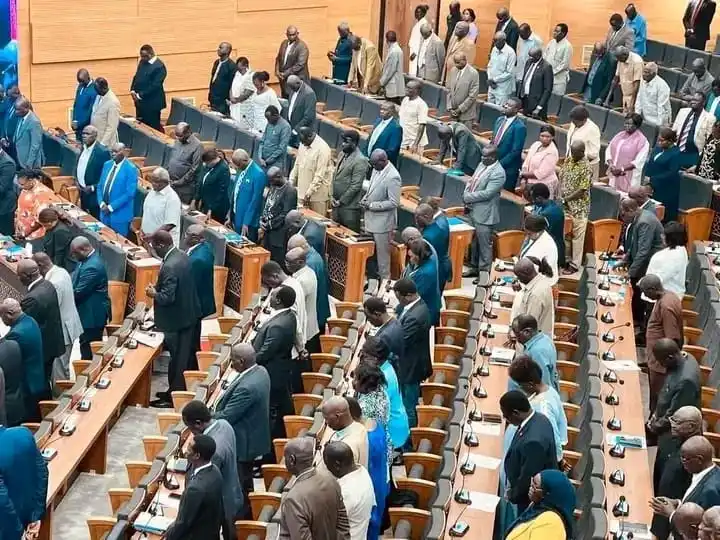
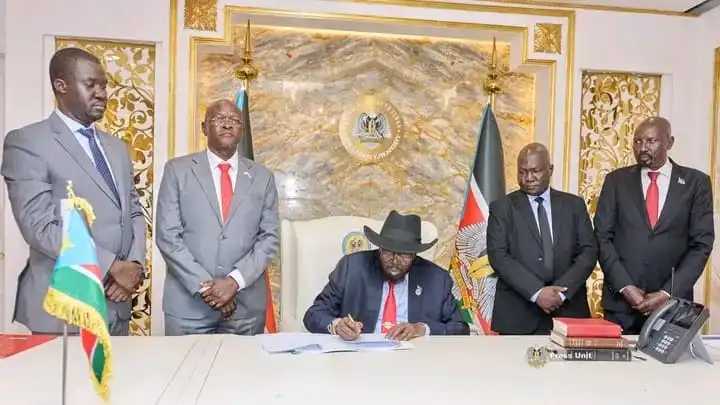
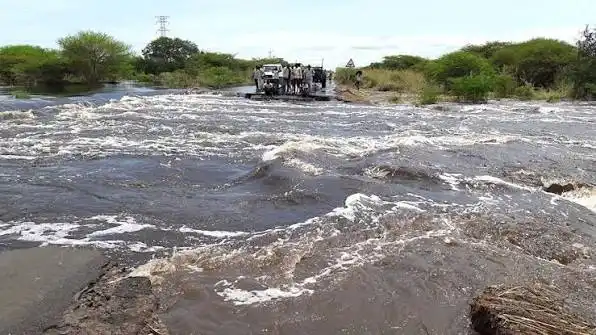
Last week, the national cabinet approved $2 billion for road infrastructure projects across the Equatoria and Bahr el-Ghazal regions, using gold as collateral. The Cabinet also awarded a sovereign guarantee to Shamrock Global Group to construct and upgrade more than 1,031 kilometers of key national roads.
The government says the project will upgrade several strategic routes to asphalt standard, including: Juba–Yei–Kaya Road, Yei–Faraksika–Maridi Road, Lobonok–Moli Junction Road and Wau–Raja–Boro Medina Road
These roads are expected to improve connectivity, trade, and access to essential services.
Reacting to the development, Boboya James, head of the Institute of Social Policy and Research, told Access Radio via WhatsApp that despite the country’s vast natural wealth, citizens have yet to see meaningful development.
He noted that much of the long conflict between Sudan and Southern Sudan was rooted in marginalization and unequal access to natural resources.
According to him, one of the key reasons the Sudan People’s Liberation Army (SPLA) fought the Khartoum government was to ensure that natural resources would be used to build economic prosperity in South Sudan.
However, he argues that this vision has not been fully realized.
“One of the key motivations behind the liberation struggle was ensuring that resources would benefit the people of South Sudan. However, that vision has not yet materialized in meaningful development outcomes”
Boboya said oil revenues were originally intended to:
“Support agriculture , develop the mining sector ,promote tourism, diversify the economy, fund infrastructure such as roads, dams, and electricity and Improve education and healthcare services”
Instead, he believes the government has failed to effectively harness oil and other natural resources to boost economic growth and improve basic service delivery.
Boboya is urging the government to strengthen anti-corruption efforts and promote transparency in the management of oil and mineral revenues. He argues that accountable resource governance is essential for achieving sustainable development in the world’s youngest nation.
As South Sudan moves forward with major infrastructure investments, analysts say the key challenge will be ensuring that the country’s natural wealth directly benefits its citizens and contributes to long-term stability and growth.