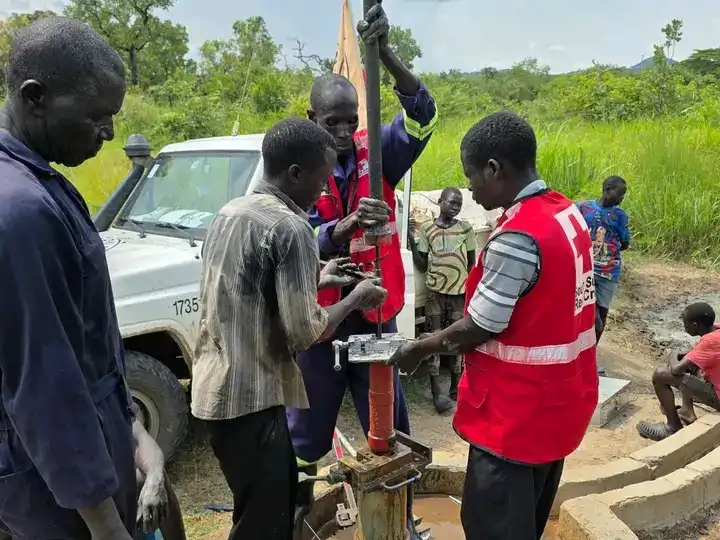
Photo: Isaac Wori Duku
(Kajo-Keji) – The county government of Kajo-Keji in Central Equatoria State, South Sudan, has directed all Non-Governmental Organisations (NGOs) operating in the area to transition from emergency humanitarian assistance to long-term development programming. The directive was officially issued on Wednesday, June 18, 2025, during a briefing held by the Office of the Commissioner.
The county commissioner, Jackson Wani Mule Mule, addressed local and international stakeholders in a meeting aimed at reinforcing support for returnees, internally displaced persons (IDPs), and host communities. He stated that the improved security situation in Kajo-Keji over the last two months had created a suitable environment for more sustainable development interventions.
Commissioner Mule said the gains in security were the result of consistent efforts by the local government in collaboration with security agencies. He explained that continued peace in the area now calls for development initiatives that promote resettlement, economic stability, and long-term recovery for communities previously affected by conflict.
While acknowledging the directive, some NGO representatives expressed concern over the timing of the shift in policy. One participant, who asked not to be named, noted that while the call for development was welcome, many organisations were facing serious financial challenges.
“The commissioner’s directive is good in principle, but unfortunately, it comes at a time when many NGOs are preparing to scale down or shut operations due to a lack of funding,” the representative said.
He further explained that several humanitarian organisations currently operate under emergency response mandates and do not have the resources or programming structures in place to deliver long-term development projects. As a result, re-aligning their activities may not be feasible under current conditions.
According to recent reports from aid sector monitoring agencies, both international and national NGOs working in South Sudan are experiencing reduced operations due to significant global funding cuts. These reductions have been attributed to donor fatigue, competing global crises, and shifting foreign aid priorities in donor countries.
Despite the setbacks, the Kajo-Keji commissioner urged development partners to re-evaluate their operational strategies in line with the county’s improved stability. He called on them to contribute to the recovery and resilience of affected communities by initiating programs in agriculture, education, health infrastructure, and income-generating activities.
The United Nations and several donor organisations have previously estimated that humanitarian needs in South Sudan remain critically underfunded.
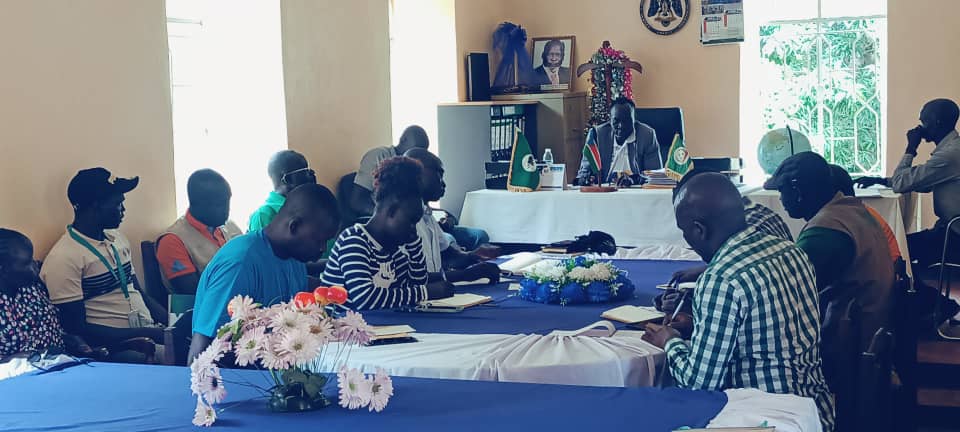
Photos from the event were captured by local journalist Isaac Wori Duku and showed participants from both local and international NGOs engaged in discussions with county authorities.
Discover more from Access Radio Yei News
Subscribe to get the latest posts sent to your email.