
















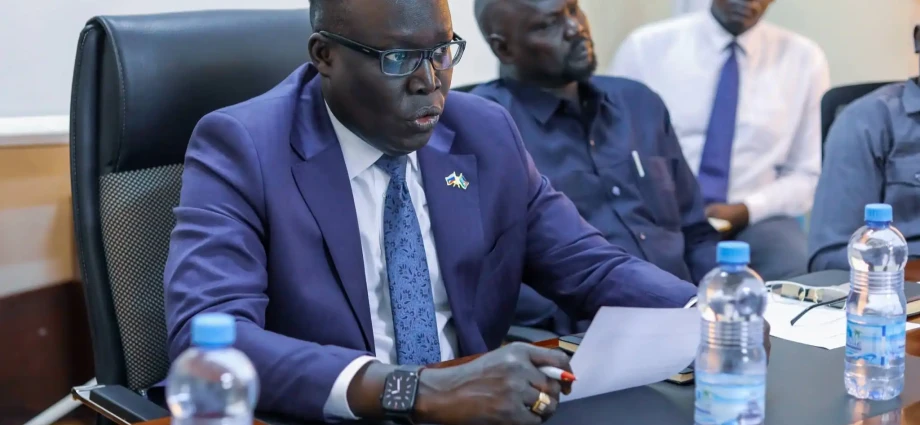
(JUBA, SOUTH SUDAN) – Juba City Council has placed the digitalisation of revenue collection and the improvement of public services at the centre of its administrative priorities during its first Executive Council meeting under caretaker leadership.
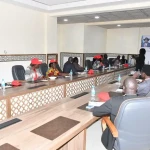
The meeting brought together Caretaker Mayor Christopher Sarafino Wani, his deputies, the Chief Executive Officer, Block Directors and Heads of Units to discuss key administrative reforms and strategies for improving service delivery across the city.
A major focus of the discussions was the proposed move from manual revenue collection to a more efficient, transparent and accountable digital system.
The initiative aims to strengthen financial management, reduce revenue leakages and ensure that resources generated within the city are directed towards essential public services.
The council leadership said improving revenue collection must translate into visible benefits for residents, particularly through road construction and maintenance, better sanitation, effective waste management and better organisation of public markets.
Other priorities discussed included strengthening the ongoing Juba Clean initiative, ensuring effective use and deployment of waste management vehicles, improving security within the council’s mandate and enhancing coordination among municipal departments.
The meeting also stressed the importance of institutional accountability, teamwork and collective responsibility in meeting the growing demand for public services in Juba.
A press release by the City Council stated that with the caretaker administration now overseeing the city’s affairs, the council is seeking to build on existing development initiatives while strengthening administrative systems to improve efficiency and responsiveness to residents’ needs.
The leadership reaffirmed its commitment to ensuring that municipal revenue is managed responsibly and invested in programmes that directly improve living conditions across the city.
The push for digital revenue collection is not new. Standard Zone News reported in September 2026 that the Central Equatoria State Government had launched a Digital Revenue Collection System and e-Services for the Juba City Council.
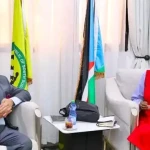
At that launch, Governor Emmanuel Adil Anthony said the initiative would replace traditional revenue collection methods with more efficient, accessible and transparent digital platforms.
Governor Adil said the reform was intended to strengthen accountability, improve revenue management and enhance the quality of services delivered to residents of Juba.
He assured city council workers that the digital system would not take away their livelihoods, saying employees remain an important part of the transformation of the capital.
As part of the reforms, the Juba City Council planned to introduce new uniforms and identification numbers for revenue collectors, allowing residents to easily identify authorised officials and helping to curb unauthorised collections.
The governor urged Juba residents to cooperate with the City Council and support the reforms as the government seeks to make the capital cleaner, safer, more orderly and productive.
Africa Press reported in January 2022 that the Juba City Council had been finalising the digitalisation of revenue collection to end random collection by unauthorised officers.
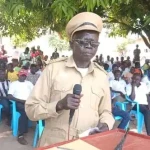
The then Mayor of Juba, Allah-Jabu, said there was a need to harmonise the revenue collection policy which had been floated by a number of unauthorised officers.
“Traders are facing challenges with a number of people who come to collect taxes. We don’t know who they are, and if at all, they have been authorised because they may be from national revenue authority,” Allah-Jabu said.
He revealed that the city council had a bank account and would soon install a digital revenue collection system to end fraudulent practices.
“We have a bank account for traders to pay, and a plan is underway to initiate a digitalised revenue collection system. All the revenue will be paid directly to the bank using the digitalised revenue collection system,” he said.
The former mayor Kalisto Lado Faustino, now caretaker commissioner of Juba County, had directed all staff to learn computer skills in an effort to uplift modern technologies.
“If it is done in a modern way, we will improve efficiency in our performance. There will be a high level of transparency and accountability in our performance. The financial resources we get from the taxpayers will be known to all organs of the government,” Kalisto said.
The former mayor said the digital migration would help to ensure accountability, transparency and trust by allowing taxpayers to see how their money was spent.
Discover more from Access Radio®
Subscribe to get the latest posts sent to your email.