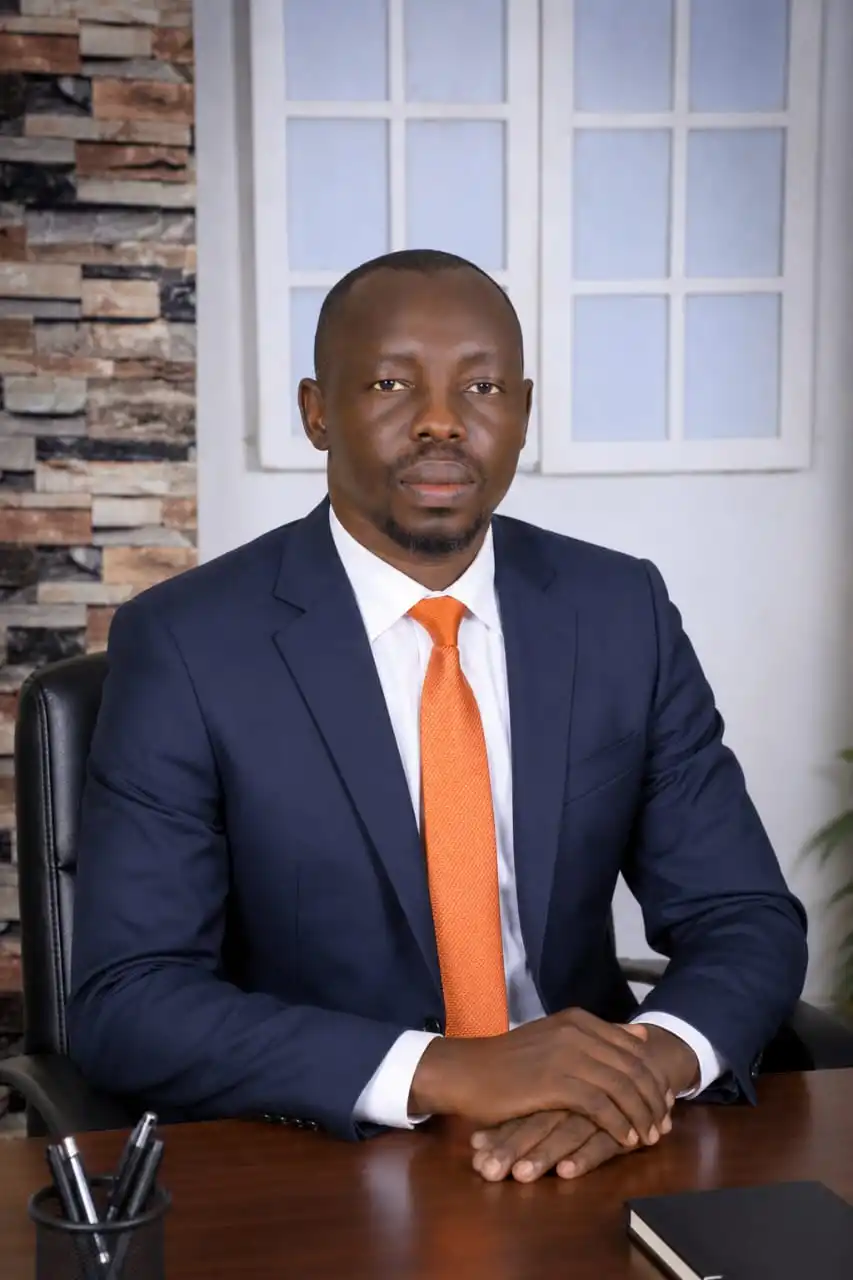
Mogga Charles Guya
As South Sudan moves closer to a historic election, faith-based institutions, including churches, Islamic organisations, and other religious communities, face a defining moment in the nation’s democratic journey. Their responsibility is not to endorse political parties or personalities, but to uphold the principles of truth, justice, peace, accountability, and human dignity.
Religious leaders have long served as the moral conscience of society. In times of uncertainty and political transition, citizens look to them for guidance grounded in faith, integrity, and hope. Their voices carry significant influence in shaping attitudes, promoting reconciliation, and encouraging peaceful civic engagement. Remaining silent in the face of injustice, fear, or division can erode public confidence, while speaking with wisdom, courage, and impartiality can help strengthen national unity and democratic values.
The Bible calls believers to act with courage and conviction:
“For God has not given us a spirit of fear, but of power and of love and of a sound mind.”
2 Timothy 1:7
This scripture reminds us that faith requires courage rather than intimidation. It encourages religious leaders to speak the truth with compassion, defend justice, promote peace, and stand alongside all people equally, regardless of their political affiliations.
Similarly, the Bible challenges people of faith to advocate for the vulnerable and uphold justice:
“Speak up for those who cannot speak for themselves; ensure justice for those being crushed.”
Proverbs 31:8–9
The Holy Qur’an also emphasises the importance of fairness and accountability:
“O you who believe! Stand firmly for justice, as witnesses for Allah, even if it be against yourselves…”
Qur’an 4:135
These teachings underscore a common message shared across faith traditions: justice must never be compromised by political interests. Faith communities are called to be impartial guardians of truth and fairness rather than partisan actors. Their credibility rests on their commitment to treating every citizen with dignity and encouraging peaceful participation in public life.
As South Sudan prepares to write a new chapter in its democratic history, faith-based institutions have a unique opportunity to contribute positively to the electoral process. They can promote peaceful coexistence, encourage national reconciliation, condemn violence and hate speech, and remind both leaders and citizens that public office is a sacred trust meant to serve the common good.
The success of the country’s democratic journey will depend not only on political actors and institutions but also on the moral leadership demonstrated by faith communities. By standing firmly for truth, justice, and peace, religious leaders can help ensure that the elections become a source of hope, unity, and progress for all South Sudanese.
Hon. Mogga Charles Guya
Secretary for Foreign Affairs, SSNMC
Disclaimer
The views and opinions expressed in this article are solely those of the author and do not necessarily reflect the views, policies, or positions of the publisher, editorial team, affiliated organisations, or any government institution. This opinion piece is intended to stimulate public discussion on matters of civic, moral, and national importance. Any references to religious texts, institutions, or public affairs are provided for commentary and educational purposes. Readers are encouraged to engage with the content respectfully and form their own informed opinions based on facts, dialogue, and the principles of democratic participation.
Discover more from Access Radio Yei News
Subscribe to get the latest posts sent to your email.