






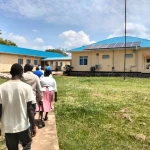

(JUBA) – A lack of housing and difficult working conditions are making it hard to keep teachers in rural South Sudan, where some educators manage up to 100 pupils, education specialists have said.
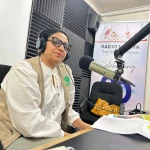
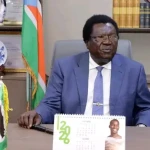
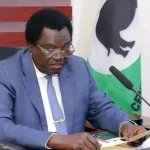
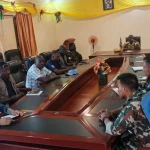
The specialists spoke to Radio Miraya during a discussion to mark World Teachers’ Day.
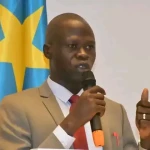
Tawanda Madhangi, deputy team lead for Education for All South Sudan, said qualified teachers tend to favour urban schools, leaving rural communities struggling with staff shortages, insecurity and limited learning materials.
He said some teachers walk 20 kilometres or more each day to reach school.
Madhangi urged communities to consider building accommodation near schools and providing solar lighting so teachers could study after work.
He asked whether communities could consider building a few tukuls around the school.
He said such support could encourage teachers to remain in village schools by showing that communities valued their work.
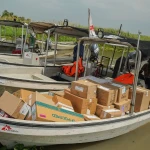
Madhangi said flooding adds to the difficulties, preventing some teachers from reaching classrooms and delaying textbook deliveries.
He said large classes also leave teachers with little time to help individual children.
He said a teacher having to manage up to 100 learners makes it difficult to support students on an individual basis.
Manuela Tiyu, education manager for policy and advocacy with Play Matters, said keeping teachers required reliable pay, professional development and better classroom conditions.
She warned that teachers’ reliance on incentives funded by education partners was unsustainable, and urged government institutions to strengthen domestic education financing.
She said there is a need to move from the policy framework into action.
Tiyu said parent teacher associations could help identify shortages of classrooms and learning materials, mobilise local resources and prepare for disruptions caused by floods or conflict.
Madhangi also urged businesses to support nearby schools through supplies and scholarships.
He said investment in teachers should involve communities and private companies alongside the government’s responsibilities for education.
Discover more from Access Radio®
Subscribe to get the latest posts sent to your email.