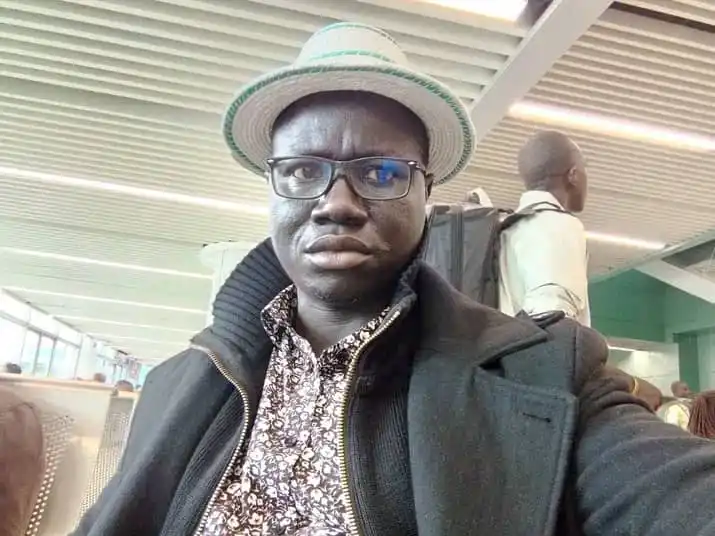
Reforms Must Reach Villages – Rights Activist Batali Victor Silas/Handout
(YEI) – A prominent human rights advocate in South Sudan has called on the Ministry of Justice and Constitutional Affairs to deploy judges and prosecutors to the Greater Yei region, saying the absence of independent legal personnel in the counties is fuelling rights violations and weakening public trust in the justice system.
Victor Batali Silas, a legal activist and civil society figure, said counties such as Kajo-Keji, Morobo and Lainya in Central Equatoria State have been operating without resident judges, public prosecutors or legal officers in charge of child and gender protection for years.
According to Batali, this legal vacuum has resulted in delays in accessing justice, increased mob justice and growing mistrust of the state judiciary.
“It is very important for Lainya, Morobo and Kajo-Keji counties to have judges, public prosecutor attorneys (PPAs),and police inspectors, including officers focused on gender and child protection,” said Batali during an interview with local press on Saturday.
“We cannot continue to depend on Yei River County to provide these essential legal services for the entire region.”
Batali’s appeal comes just days after President Salva Kiir issued a wide ranging judicial reform decree, promoting 39 judges across the country’s three levels of courts.
The decree which included appointments to the Supreme Court, Court of Appeal and High Court, was hailed as a major step in revitalising South Sudan’s overburdened justice system.
While the reform was welcomed nationally, Batali warned that the changes must be matched with actual deployments to remote counties.
“The absence of judges and prosecutors has led to serious consequences. People feel abandoned by the legal system, and this has encouraged corruption, impunity and mob justice,” he said.
He explained that legal matters in Kajo-Keji, Morobo and Lainya are being handled by the few legal officers based in Yei River County, a situation he said is not sustainable.
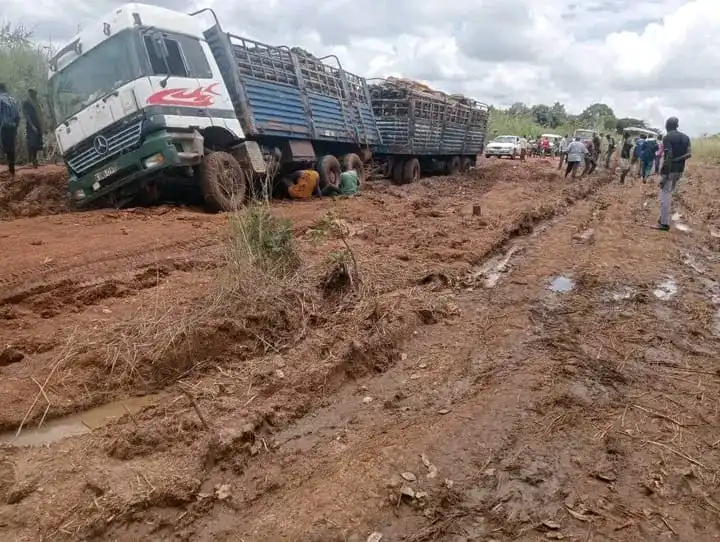
“Transporting criminal cases from these counties to Yei has always been a challenge due to poor road conditions and safety risks. In some cases, complainants are forced to pay transport costs for suspects, just to access justice. This is a heavy burden on an already struggling population,” he added.
Batali stressed that public prosecutors are critical to strengthening rule of law at the county level.
“They act as legal advisors to the government, supervise criminal investigations, direct charges and ensure that cases are fairly prosecuted. Without them, citizens are left without legal protection or remedies,” he said.
He also noted that deploying judges and prosecutors would support the role of the police, who often lack the capacity to manage cases without legal oversight.
“Having qualified judicial officers in place will help reduce arbitrary arrests, delays in trials and unlawful detentions.”
Logistical challenges for justice delivery remain high. Even small operational costs for case transfers, security or administration can become unaffordable for most rural residents. Civil society actors like Batali have long argued that strengthening access to justice at the county level must go hand in hand with national judicial reforms.
“If the recent appointments under President Kiir’s decree are to have meaningful impact, we must see deployment to neglected regions like Greater Yei. Otherwise, the reforms will remain on paper only,” he said.
Discover more from Access Radio Yei News
Subscribe to get the latest posts sent to your email.