
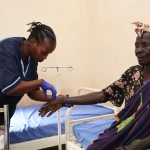




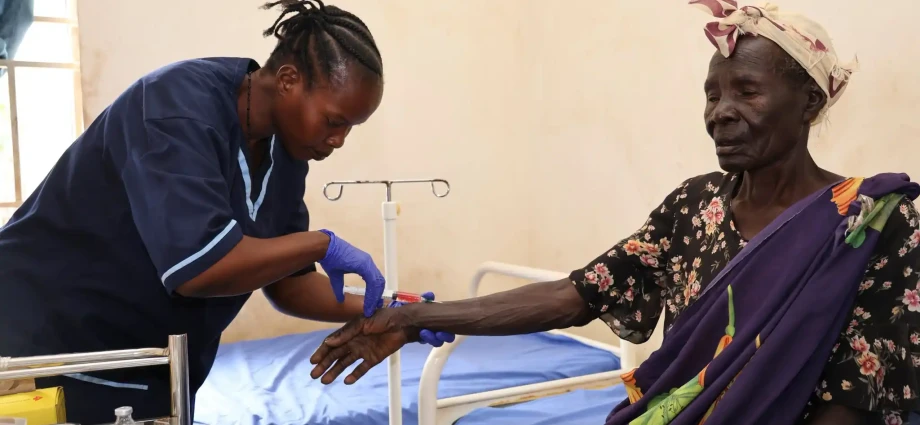
(JUBA) – More than 850,000 malaria cases were treated with first-line medicines across South Sudan in the first half of 2026, the Ministry of Health said.
The treatment was delivered through the Health Sector Transformation Project, known as HSTP.
The World Bank reported in March 2026 that the project has supported 816 health facilities through 28 implementing partners, with capacity building provided to 3,503 health workers in essential areas including emergency obstetric and neonatal care, infection prevention and integrated management of childhood illnesses.
The World Health Organization reported in August 2025 that UNICEF, through the HSTP, facilitated treatment of 1,268,701 cases with first-line antimalarial drugs, including 924,159 at health facilities and 344,542 in communities under the Boma Health Initiative programme.
Malaria remains the leading cause of illness in South Sudan. National Ministry of Health data show 3.8 million malaria cases were reported in 2024, with cases peaking during the rainy season from July to November, according to Médecins Sans Frontières.
The World Health Organization reported in August 2025 that malaria continues to be a major health challenge in South Sudan, with 5.5 million cases and over 4,000 deaths annually.
The 2023 malaria indicator survey showed a rise in malaria prevalence among children aged 6 to 59 months from 32 per cent in 2017 to 52.6 per cent in 2023, placing a heavy burden on the country’s fragile healthcare system, according to the World Health Organization.
In Twic County, Warrap State, Médecins Sans Frontières and the county health department reached 24,498 children aged three to 59 months with seasonal malaria prevention in June 2026 during the first round of a campaign.
The campaign also included nutritional screening for 23,215 children, with more than 500 children with moderate and severe malnutrition referred for further care.
South Sudan introduced the R21 malaria vaccine in July 2024 with support from Gavi, the Vaccine Alliance.
The World Health Organization reported in August 2025 that the first phase targeted 28 counties with the highest malaria burden, and a second phase began in August 2025 in 52 counties with a target of reaching 324,571 children aged 5 to 23 months.
However, the rollout has faced challenges in ensuring completion of the four-dose schedule. Of the children who received the first dose from July 2024 to May 2025, only 83,668 returned for the second dose, 51,002 continued to the third dose, and 11,370 completed the final fourth dose, according to the World Health Organization.
Health authorities are also monitoring emerging drug resistance. A study published in the Malaria Journal in August 2026 reported that Day 3 parasite positivity was elevated at Bor at 13.8%, exceeding the World Health Organization threshold used as an indicator of suspected artemisinin partial resistance.
The study found that both artesunate-amodiaquine and artemether-lumefantrine remain highly effective, but the high Day 3 positivity rate at Bor warrants enhanced molecular surveillance.
The ministry said the support is helping people affected by malaria receive timely and effective treatment.
It is also strengthening access to essential health services for families and communities.
The ministry said the achievement reflects the continued commitment of the Government of South Sudan, donors and HSTP implementing partners.
It said the partners are working to improve health outcomes and ensure essential medicines and services reach those who need them most.
“We extend our sincere appreciation to all donors and implementing partners for their continued support, collaboration and commitment to strengthening South Sudan’s health system,” the ministry said.
It said the work is making progress towards a stronger, more resilient and government-led health system for South Sudan.
Discover more from Access Radio®
Subscribe to get the latest posts sent to your email.