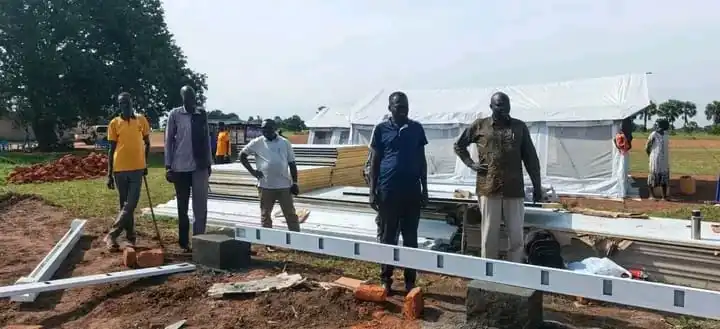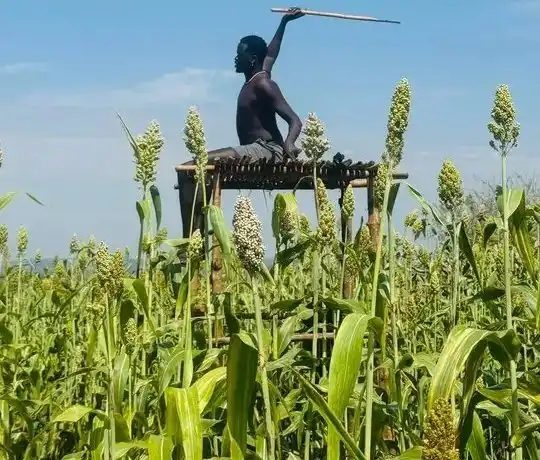
AVSI Project Helps Farmers Beat the Drought in Magwi/PHOTO: Courtesy
(MAGWI COUNTY) – More than 1,300 farmers across South Sudan have been trained in sustainable farming practices under a major agricultural development effort aimed at helping communities respond to food insecurity, climate shocks and economic hardship.
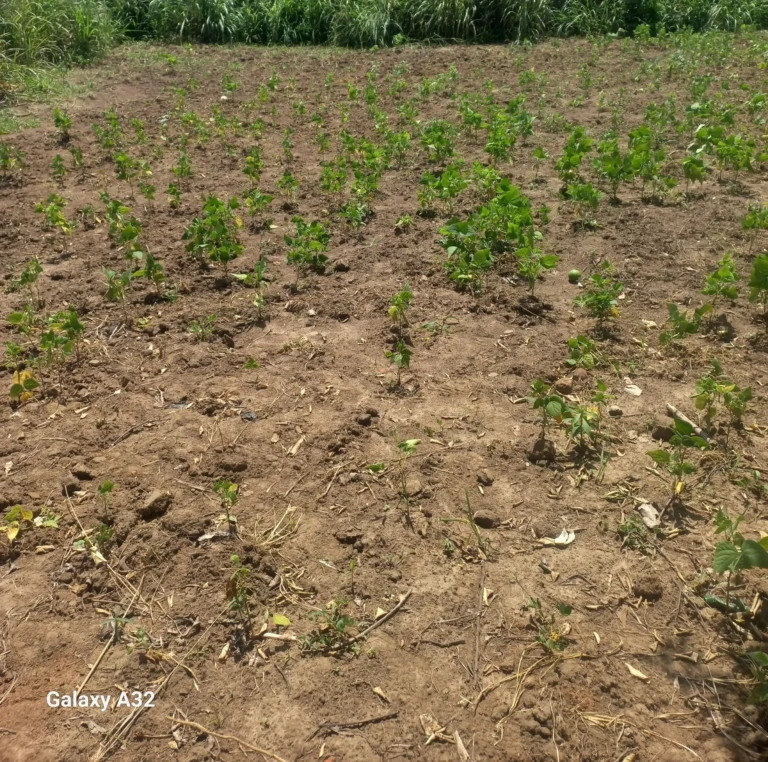
The training, carried out through the RURALSS project, is already showing results in counties such as Magwi in Eastern Equatoria and Cueibet in Lakes State.
Aleyo Martin, a 30 year old farmer from Magwi County, is part of a women’s farming group that has already saved over 2,000,000 South Sudanese Pounds (about $435 USD) through a Village Savings and Loan Association. The group’s long term goal is to reach 5,000,000 SSP ($1,087 USD), money they plan to use for agricultural expansion and household needs. “The savings have helped us become more confident and able to support our families,” Aleyo said.
Nearby in Agulu village, 36 year old Abalo Rose has adopted new methods like dry grass mulching to protect her tomatoes and onions from extreme heat. She said training received from the AVSI Foundation, which implements the RURALSS project, taught her how to handle poor soils and increase crop yields.
“Before this, I didn’t know how to manage soil or increase my harvest,” she said. “Now I do, and I am earning more.”
In Cueibet County, 45 year old Amer Acouth has seen significant changes in her farming life. As a member of the Dietic group, she and other farmers now use ox ploughs instead of hand hoes, reducing work that used to take weeks to just a single day.
“With the oxen and seeds we received, we now grow more, especially groundnuts,” she explained. “This helps feed our families and brings us some income.”
South Sudan faces one of the world’s most serious food insecurity situations. According to recent IPC data, 7.7 million people (about 57 percent of the population) are experiencing acute food insecurity, worsened by conflict, flooding, and economic instability. The situation has left many families dependent on food aid or subsistence farming, with little access to tools or finance.
The RURALSS project aims to change this by providing rural communities with a full package of support including training in climate-smart agriculture, nutrition education, access to microloans, agricultural mechanisation, and women’s empowerment initiatives.
Between 2023 and 2024, the project has achieved:
| Achievement | Figure |
|---|---|
| Farmers trained in climate-smart agriculture | 1,352 (806 women, 546 men) |
| Total savings by VSLA groups | 148,355,000 SSP (approx. $32,251) |
| People reached with community nutrition education | 2,612 |
| Pupils engaged in school nutrition clubs | 1,119 across 18 schools |
| Individuals screened for malnutrition | 16,607 |
| Referred for nutritional support | 1,970 |
| Community nutrition volunteers trained | 135 |
The Village Savings and Loan Associations (VSLAs) have proved especially transformative for women, giving them financial control and the ability to invest in income generating activities. For many, this is the first time they have had access to loans, savings schemes, or leadership roles in agricultural groups.
AVSI Foundation, which implements RURALSS with support from international partners, said the programme is about building long term resilience rather than short term relief.
“We are seeing farmers who now make decisions with knowledge and confidence,” said one project coordinator. “They are not just surviving. They are starting to thrive.”
Discover more from Access Radio Yei News
Subscribe to get the latest posts sent to your email.