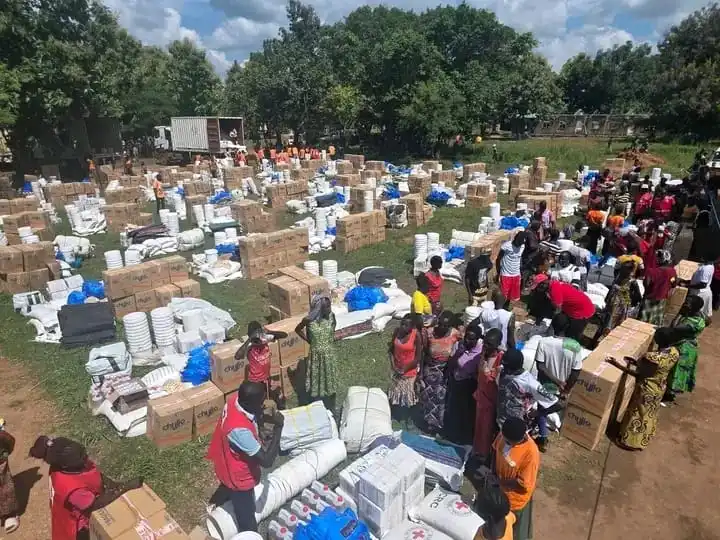
PHOTO CREDIT: Diocese of Kajo Keji
(KAJO-KEJI COUNTY) – The Bishop of the Anglican Diocese of Kajo-Keji has issued an urgent appeal for humanitarian intervention following violent clashes between South Sudanese and Ugandan troops that erupted along the border on Monday 28 July.
The clashes which took place in Nyaingamuda area, Bori Boma of Kangapo II Payam resulted in the deaths of at least eight soldiers and the displacement of thousands of civilians.
In a statement released this week, Rt Reverend James Lule described the attacks as a “deeply shocking” development. The clashes reportedly involved troops from the Uganda People’s Defence Force (UPDF) and the South Sudan People’s Defence Forces (SSPDF). Although such skirmishes along the poorly demarcated border have occurred before, the scale of displacement and disruption this time is far greater.
According to an assessment by the Diocese of Kajo-Keji, a total of 2,364 households, amounting to 7,915 individuals, have been displaced. Among the displaced are 2,350 children and 830 elderly persons. Many have sought shelter under trees, in schools, churches and health facilities without food, clothing, cooking utensils or basic medical supplies.
Bishop Lule warned of growing fear among the displaced population due to misinformation and propaganda surrounding the conflict. He said many families have been separated, with children missing or unattended, and elderly persons wandering in search of relatives, as described also by Rt Revd Joseph Aba Nicanor of the Episcopal Diocese of Liwolo.
The Diocese, with support from local churches, has been offering humanitarian relief, spiritual support and help to trace missing persons. Special prayer services are being held across Kajo-Keji for peace, reconciliation and the demilitarisation of the border zone to allow civilians to move safely.
Bishop Lule’s appeal calls for an immediate and peaceful resolution of the conflict, compliance with international humanitarian laws and protection of civilians. He warned against the dangers of fuelling ethnic or political divisions, stressing that the displaced are now suffering under extremely harsh conditions.
Quoting Psalm 23, the bishop reminded both governments of their moral obligation to protect lives.
“We call upon all warring parties to demonstrate love for the people of the two sisterly nations. What do we gain from killing each other and destroying our long relationship?”
He noted that the contested area between Nyaingamuda and Gobor has been a long standing source of dispute between South Sudan and Uganda. While previous tensions were brief and limited, the latest violence has had a far reaching humanitarian impact.
The bishop further cautioned that border disputes are often exploited for political purposes, including stirring nationalist sentiments or distracting the public from domestic problems. This, he warned, undermines lasting peace and disrespects the suffering of local communities.
“The Church is fully aware that border disputes, although presented as territorial issues, are often manipulated to serve political interests. We must resist ideologies that promote violence and instead foster solidarity and fraternity,” the statement read.
The Diocese of Kajo-Keji maintains strong relations with the Church of Uganda, particularly in the Moyo region and West Nile. Bishop Lule affirmed the Church’s commitment to peaceful coexistence and support for the affected population.
The exact cause of the 28 July clash remains unclear, with conflicting reports. Some sources suggest it was due to disputed military presence in the area, while others describe it as an isolated confrontation between two longstanding security partners.
South Sudan continues to grapple with a fragile peace process and widespread humanitarian needs. Clashes such as those in Kajo-Keji not only worsen the humanitarian crisis but also threaten cross border cooperation and regional stability.
Local humanitarian agencies and international partners are being urged to respond swiftly to the needs of the displaced population, especially vulnerable groups such as children and the elderly. No figures have been provided on the financial cost, but the basic needs of nearly 8,000 people will require urgent funding.
The Diocese of Kajo-Keji is continuing its emergency response and has asked for national and international solidarity to assist those in crisis.
Discover more from Access Radio Yei News
Subscribe to get the latest posts sent to your email.