









(JUBA) – The Episcopal Church of South Sudan is prioritising waste management as part of a wider environmental campaign, with at least twelve churches in Juba taking part in a programme to improve how waste is handled.
Kenyi Emmanuel Dube, a team leader for the Episcopal Church of South Sudan Environmental Network (ECSSEN), said the church is mobilising Christians to become better stewards of God’s creation.
He said the network actively promotes the Green Anglican Movement in South Sudan.
“This year, in collaboration with the Catholic Church, we jointly launched the Season of Creation, during which we engaged in prayer and practical actions such as cleaning water sources, as part of our commitment to caring for creation,” Dube said.
He said the work on waste management is not limited to a single church.
It is part of a growing movement across two dioceses and multiple parishes.
Through ECSSEN, the church has established and strengthened what it calls Green Anglican Hubs.
These are parish based environmental action groups within individual parishes.
Within the two dioceses, the network covered more than 19 parishes.
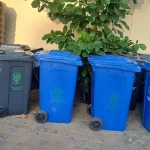
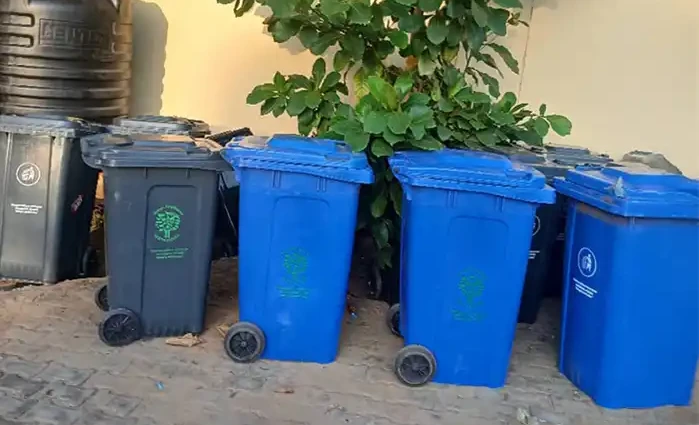
It has supported churches to start basic waste management systems, including waste segregation, provision of waste bins and awareness creation within congregations.
Dube said the vision is to scale the initiative nationwide so that every parish becomes a model of environmental stewardship.
He shared that the network has also seen encouraging results beyond the church.
In some communities, households have come together to develop shared waste management systems where neighbours collectively manage waste to keep their environment clean.
These community driven efforts have been directly inspired by the work started within the church.
Dube said waste management is critically important in the South Sudan context.
Poor waste disposal is closely linked to the spread of diseases.
In many cases, waste carried through drainage systems ends up polluting the River Nile, which is a primary water source for the city of Juba.
Plastic waste often clogs drainage channels, contributing to flooding that has destroyed homes and disrupted livelihoods.
“Water is life, and protecting it is essential for both our communities and future generations,” Dube said.
He said Christians believe the earth is God’s creation.
He cited Psalm 24:1, which says “The earth is the Lord’s, and everything in it.”
He also cited Genesis 2:15, where humanity is given the responsibility to “till and keep” the garden.
He said this is a clear call to stewardship, not exploitation.
“When we pollute our environment and mismanage waste, we fall short of this responsibility entrusted to us by God,” he said.
Dube said caring for creation is therefore not optional but a core part of the Christian calling.
For ECSSEN, he said, waste management and environmental conservation are not just technical concerns.
They are spiritual, social and environmental responsibilities.
Dube encouraged Anglicans to start with small things and work with others to increase impact.
“Together we can be able to conserve our environment and we can be able to reclaim what has already been destroyed,” he said.
The Episcopal Church of South Sudan is one of the 42 provinces of the Anglican Communion.
Creation care is a core pillar of the Anglican tradition, reflected in the Fifth Mark of Mission, which urges Anglicans to safeguard the integrity of creation and sustain and renew the life of the earth.
ECSSEN was founded in 2023 by the Archbishop and Primate of the Episcopal Church of South Sudan, the Most Rev. Dr. Justin Badi Arama.
The network promotes environmental conservation and makes communities aware of ways to mitigate the effects of climate change, including drought, flooding and food insecurity.
Discover more from Access Radio®
Subscribe to get the latest posts sent to your email.