Teak Logging Ban Overwhelmed by Illicit Trade Networks
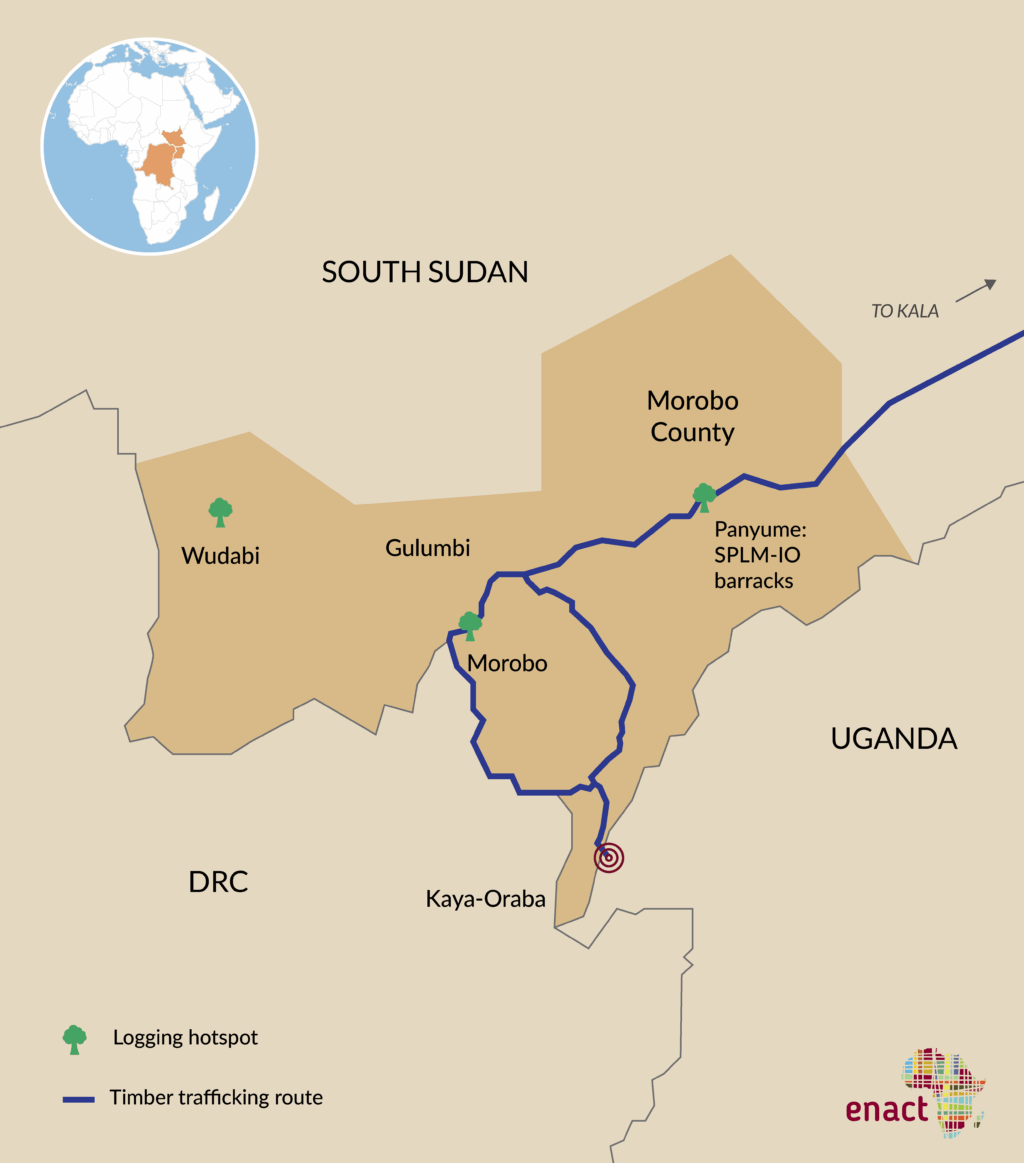
Source: Annika McGinnins, InfoNile and Denis Logonyi Via Enact Africa
(Juba) – In January 2025, South Sudan’s Minister of Environment and Forestry, Josephine Napwon, ordered a halt to the issuing of new logging permits across the country.
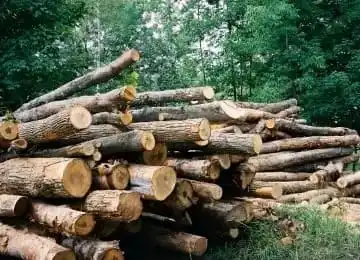
The directive was intended to stop the growing problem of illegal logging, especially of teak, a highly valuable but endangered hardwood species.
The measure followed rising concern over the uncontrolled harvesting and export of South Sudanese teak to international markets, particularly in India and the Netherlands.
Despite its status as an endangered species, listed by the International Union for the Conservation of Nature (IUCN) since 2004 and its trade being restricted under international environmental treaties, teak logging in South Sudan continues largely unchecked.
Teak, often referred to as the “king of woods,” is prized for its durability and is commonly used in luxury construction, boat building, and furniture. It is South Sudan’s second most valuable natural resource after oil. The research group C4ADS estimates that more than 100,000 tonnes of teak are exported annually.
The World Bank reports that while this trade could generate up to $150 million per year, South Sudan earns only around $2 million, with most exports taking place illegally and revenues lost to smuggling networks.
Illegal logging has caused severe environmental damage, including deforestation, erosion, and biodiversity loss. Areas in Central Equatoria such as Gulumbi, Wudabi, and Panyume payams, as well as forests in Eastern Equatoria’s Imatong Mountains and Dongotomea region, have been heavily affected.
Protected zones like Lantoto National Park in Yei River County and forests in Western Equatoria and Western Bahr el Ghazal have also seen widespread tree felling.
Security experts say the trade is often facilitated by armed groups. According to border analyst Justin Khamis in Juba, both the South Sudan People’s Defence Forces (SSPDF) and the Sudan People’s Liberation Army-In-Opposition are involved.
Soldiers are accused of either taking part in the logging themselves or offering protection to smugglers. Several South Sudanese companies linked to the military, such as Aguet Trading Co., Santos Petroleum and Timber Company, and Oscar Investment Company, are also reportedly engaged in the trade.
Former Defence Minister Angelina Teny attributes some of the military’s involvement to economic hardship, noting that many troops go unpaid and may turn to logging as a means of survival.
These groups are reportedly helping transport teak from areas like Gbare in Kajo Keji County across the Moijo stream into Uganda’s Moyo District.
From Uganda, the timber is moved to Kenya’s Port of Mombasa, often with the help of falsified documents. Activists and journalists report that Ugandan officials issue authorisation letters to allow the wood through, and then assist in preparing fake certificates of origin. Once relabeled as Ugandan timber, the teak is shipped to India or the Netherlands.
Investigative journalist John-Allan Namu told ENACT that South Sudanese teak is often mixed with timber from the Democratic Republic of the Congo (DRC) before being exported through Kenya.
This mixture is then sold as Ugandan timber, avoiding international restrictions. According to The Elephant, about 73% of illegally exported South Sudanese teak ends up in India.
To bypass the European Union’s Timber Regulation, which bans illegally harvested wood, traders reroute the timber through India, where corrupt officials provide fraudulent export documentation. From there, some shipments continue to ports such as Rotterdam in the Netherlands.
Online platforms like Facebook are now being used to advertise and sell South Sudanese teak, further exposing regulatory weaknesses. Many sellers are unregistered and operate informally, often sourcing their timber deep in the forests without permits or oversight.
Experts argue that DNA-based timber tracking could help fight the illegal trade. DNA markers specific to regions would allow customs officers to identify the origin of wood, even when it is processed. Portable DNA testing devices, paired with electronic timber tracking systems, could help governments identify and stop illegal shipments.
A similar system in Ghana uses a timber legality assurance mechanism based on data collection at key points along the supply chain. Real-time monitoring helps detect anomalies and prevent fraud.
Databases such as AFRICA-TWIX, the Central Africa Forest Observatory, and the Open Timber Portal also play key roles in improving forest governance and international cooperation. These platforms support tracking, law enforcement coordination, and transparency in the timber trade.
However, these technologies and systems can only succeed if supported by effective law enforcement. South Sudan’s limited institutional capacity, combined with corruption and porous borders with Uganda and Kenya, continue to challenge efforts to stop the trade.
Civil society and media organisations are seen as essential actors in bringing public attention to the issue. Highlighting the environmental and social impacts of the teak trade, from South Sudan’s forests to Indian market can help build pressure on authorities to act.
International bodies such as the IUCN and World Customs Organization are being urged to increase cooperation with South Sudan and its neighbours to protect endangered timber and address the corruption enabling this trade.
Without stronger enforcement and oversight, the country risks losing one of its most valuable natural resources to criminal networks operating with impunity.
Listen to Access Radio 88.8 FM ONLINE
Got a story to share?
Help us cover the stories that matter. Send your news tip via WhatsApp: +211 927 588 870 or email: news [at] radioyei.org.
Tap, read, know — Access Radio on WhatsApp
You can also write or contribute here.
Studio Line: MTN: +211(0)925300888
Studio Line: Zain: +211(0)910300888
Advertise Local. Reach Wider.
Partner with Access Radio for online and on air adverts.
+211 927 588 870 (Call or WhatsApp)
Keep Local Voices Strong.
Support community journalism with a donation to Access Radio
Related
Discover more from Access Radio Yei News
Subscribe to get the latest posts sent to your email.