





(JUBA) – Members of South Sudan’s parliament say the United Nations arms embargo has left the country weak and unable to defend itself properly against threats from neighbouring countries.
Their concern follows fresh clashes on the border with Uganda in Kajo-Keji County, Central Equatoria, where several South Sudanese soldiers were killed in a long running land dispute.
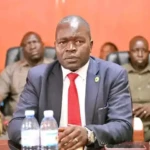
Bona Deng Lawrence, an MP from Aweil South County in Northern Bahr el Ghazal, told parliament on Wednesday that the embargo has made the army too weak because it cannot buy weapons and ammunition.
He said protecting a country requires more than laws.
“Sovereignty is protected by power as well as law,” he said. “Countries like the United States, Russia and China are strong because no one dares to invade them.”
Deng argued that South Sudan looks weak without enough weapons, which encourages neighbours to cross into its land.
“I am not calling for war,” he said, “but a country that is militarily strong is respected. We need the arms embargo lifted so that we can defend ourselves.”
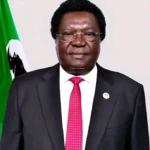
Another MP, Victor Omuho Ohide from Eastern Equatoria State, raised the border issue with Kenya. He said the South Sudan-Kenya border was once at Lokichogio but has now been pushed to Nadapal.
“Our land has been taken bit by bit,” he said. “Part of Moyosukun is now under Uganda, where tanks have been deployed. Sometimes you need military strength to protect borders.”
Since independence in 2011, South Sudan has faced many border disputes:
+ With Sudan over Abyei
+ With Kenya over the Ilemi Triangle
+ With Uganda in Kajo-Keji
+ With Ethiopia in Gambella
MPs said the ministries of defence, foreign affairs and the border commission should appear in parliament to explain how the government will handle the disputes.
Civil society leaders urged calm after the Kajo-Keji clashes. Edmund Yakani, head of the Community Empowerment for Progress Organization (CEPO), said the two countries must solve their differences peacefully.
“Our border communities should not be turned into war zones,” he said. “The safety of civilians should come first.”
Discover more from Access Radio®
Subscribe to get the latest posts sent to your email.