




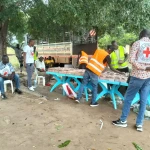

(Ulang) – A surge in violence and repeated attacks on health facilities have forced Médecins Sans Frontières (MSF) to close its hospital and withdraw support from 13 community health posts in Ulang County, Upper Nile state, South Sudan. The closure has left a vast stretch of over 200 kilometres—from the Ethiopian border to Malakal—without access to functional specialised healthcare. An estimated 150,000 people are now cut off from essential medical services.
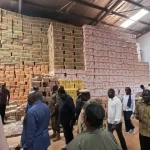
The decision follows a series of violent incidents targeting MSF teams, boats, and hospital infrastructure. In April 2025, armed individuals raided the Ulang hospital, looting nearly all medical supplies, threatening staff and patients, and rendering the facility inoperable. Items taken included medical equipment, surgical kits, patient beds, and two full planeloads of recently delivered supplies.
Earlier in January, unidentified gunmen opened fire on MSF boats transporting medical supplies near Nasir. This forced MSF to suspend vital outreach services, including boat referrals for pregnant women along the Sobat River. These river ambulances were a lifeline for isolated communities in the flood-prone and road-inaccessible region.
Zakaria Mwatia, MSF’s Head of Mission in South Sudan, described the scale of destruction: “They took everything. Whatever they couldn’t carry, they destroyed.” He called for respect for humanitarian law and the protection of health workers, patients, and medical facilities.
MSF’s withdrawal comes at a time of worsening insecurity in South Sudan, with renewed fighting between government forces and armed youth militias flaring up since February 2025. The violence has displaced thousands and triggered the collapse of already fragile public services across states including Upper Nile, Jonglei, Unity, and Central Equatoria.
Despite the shutdown in Ulang, MSF maintains operations elsewhere in Upper Nile, including in Malakal and Renk, and has deployed a mobile emergency team to provide limited short-term care in accessible areas.
For mothers like Nyapual Jok, the hospital in Ulang was a rare chance at survival. Living in a remote village, she lost two children during childbirth before MSF helped her reach the hospital by boat for her third delivery. “If we had a hospital closer during my previous deliveries, maybe my children would be alive today,” she said in November 2024—just weeks before the same boat service was attacked and suspended.
Without MSF’s boat transport, patients now wait days or walk for miles through dangerous and muddy terrain to seek help. One such patient, a woman carrying twins, faced fatal delays. “By the time she arrived, we could not find a heartbeat from the twins,” said MSF midwife Veronica Nyakuoth.
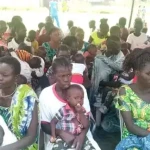
The closure of the facility has also affected over 800 patients suffering from chronic illnesses, such as HIV and tuberculosis, who have lost access to their treatments. Pregnant women, newborns, and children with malaria or pneumonia are now especially at risk.
MSF had provided services in Ulang since 2018, including trauma care, maternal and paediatric treatment, and malaria control. In that time, they handled over 139,000 outpatient consultations, admitted 19,350 patients, and supported nearly 2,700 childbirths.
In neighbouring Jonglei state, another MSF hospital in Old Fangak was bombed in May 2025, leaving the facility completely out of service. These attacks point to a growing trend of violence against healthcare workers and infrastructure across South Sudan.
Community members and humanitarian groups continue to urge all parties to respect international humanitarian law and to refrain from targeting health services. As Nyapual put it, “We need a hospital nearby that can help mothers and children. Without it, many will suffer and lose their lives.”
Discover more from Access Radio®
Subscribe to get the latest posts sent to your email.