Formal Trade to Replace Smuggling Under South Sudan, Ethiopia Agreement / PHOTO: Amnons Business Report
(JUBA) – A formal agreement to activate the Border Trade Protocol between South Sudan and Ethiopia has been reached, a move set to replace widespread illegal cross-border commerce with a regulated economic partnership that will directly cover the Greater Pibor Administrative Area.
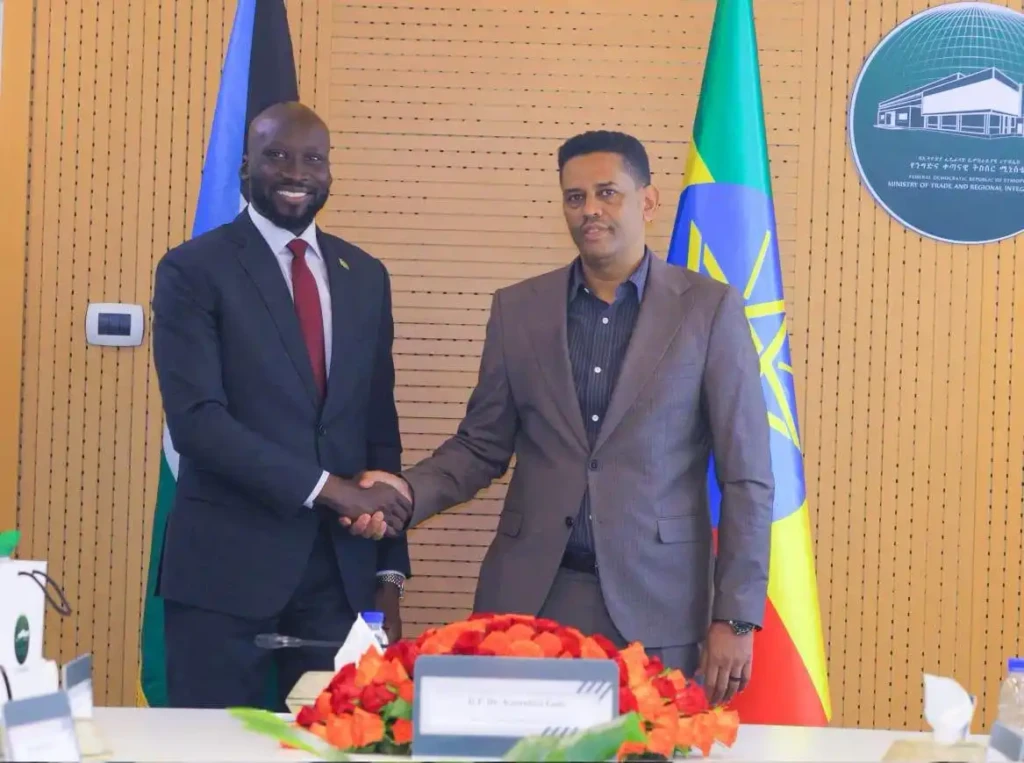
The deal was secured during high level talks in Addis Ababa on 1 July. Officials agreed to fully implement the protocol, curb unlawful trade, and ensure border communities gain access to essential services and support.
For the first time, the structured trade relationship will expand to include the Greater Pibor region, opening a new chapter for communities along South Sudan’s eastern frontier.
The South Sudanese team was led by the Chief Administrator of Greater Pibor, Gola Boyoi Gola. He was joined by Deputy Minister of Information David Yau Yau and Ambassador William Wani of the Ministry of Foreign Affairs and International Cooperation.
They met Ethiopia’s Minister of Trade and Regional Integration, Dr Kassahun Gofe Balami, who confirmed his government’s commitment to the protocol’s enforcement. Ethiopia will now take the legal and administrative steps needed to put the agreement into full effect.
Both sides noted the long friendship and strong ties between the two countries and pointed to the large potential for growth in economic and trade sectors.
The Addis Ababa breakthrough follows a separate push to strengthen local governance inside Greater Pibor.
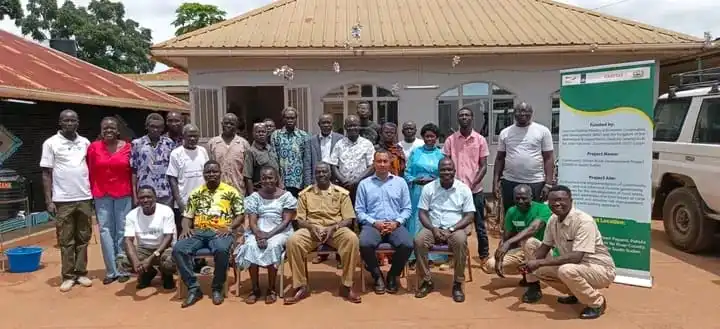
On 24 June, the National Ministry of Finance and Planning and the Local Government Board opened a two-day stakeholder workshop in Pibor town.
The meeting was designed to improve coordination between national, state and county governments and to revive the Greater Pibor Administrative Area Coordination Team.
Delegates worked to agree on formal terms of reference and a clear leadership structure with a chair, co-chair and secretariat.
Deputy Chief Administrator Ogebe Omot Ochan, speaking as acting head of the area, told the gathering that sharing ideas and resolving coordination problems together was vital.
He thanked the Enhancing Community Resilience and Local Governance Project, known as ECRP II, for funding the construction of dykes, schools and health facilities across four counties. He also appealed to the Ministry of Finance and the World Bank to extend the project to counties not yet covered.
Semu Teffera, the Senior Institutional Strengthening Specialist for ECRP II, said stronger coordination at state level is key to accountability, better collaboration and avoiding duplication of effort.
He stated that the formal creation of the Greater Pibor Administrative Area Coordination Team through validated rules would push administrative and county authorities to work together, share information and take joint responsibility for results.
The ECRP II project is a five year initiative financed by the World Bank. It is run by the Ministry of Finance and Planning and the Local Government Board, with the International Organization for Migration, World Vision International and the International Rescue Committee as partners.
Active in six states and two administrative areas, the project aims to deliver better access to basic services, stronger flood resilience and improved local capacity for service delivery and disaster risk management. By the end of March 2027, it is expected to reach over 950,000 people.
Discover more from Access Radio Yei News
Subscribe to get the latest posts sent to your email.