River Nile
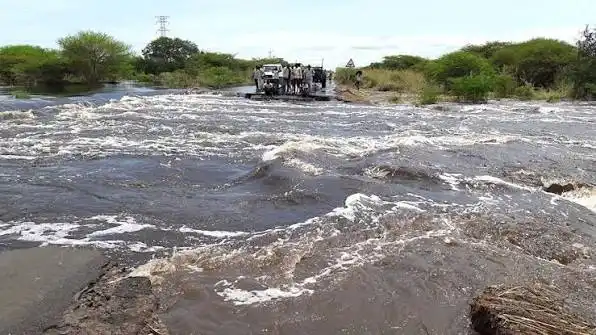
JUBA—The governmenthas warned communities along the Nile, including people living in low-lying areas of Juba, to prepare for possible flooding as rising water levels in Lake Victoria are expected to increase downstream river flows.
Ministry of Water Resources and Irrigation said Uganda had notified South Sudan that Lake Victoria could reach record-high levels following forecasts of above-normal rainfall across its basin.
Higher water releases through the Nile could bring severe riverine flooding to South Sudan, threatening homes, infrastructure and livelihoods, the ministry said.
The warning was issued Sept. 19 after Uganda’s Ministry of Water and Environment notified South Sudan as part of technical cooperation under the Nile Basin Initiative.
According to the ministry, data from Uganda, forecasts from the IGAD Climate Prediction and Applications Centre and hydrological simulations indicate above-normal rainfall is expected across the Lake Victoria basin.
The increased rainfall could push Lake Victoria’s water levels to record highs and lead to increased water releases downstream through the Nile, the ministry said.
Higher flows could result in riverine flooding in South Sudan, including in Juba and other low-lying areas along the river.
The ministry warned that flooding could damage homes, roads, and other infrastructure, and affect livelihoods and property.
For now, water levels at several monitoring points in South Sudan remain below flood-alert levels.
The ministry said measurements along the Nile from Nimule to Renk, and from Nasir to Bentiu, currently show declining water levels.
But it cautioned that conditions could change quickly once increased flows from upstream reach South Sudan.
The warning comes after reduced rainfall between June and September left parts of the country facing drought, affecting livestock, farming and access to water.
The ministry said the affected areas include Eastern Equatoria, Warrap, Upper Nile, Jonglei, Central Equatoria, Unity, Northern Bahr el Ghazal, Western Bahr el Ghazal and Lakes states, as well as the Abyei, Pibor and Ruweng administrative areas.
The ministry is urging government institutions and development partners to strengthen flood-prevention measures, including early-warning and water-level monitoring systems.
It also called for flood-control structures such as dykes to be strengthened and for water infrastructure, including water yards and boreholes, to be protected.
People living along riverbanks have been advised to remain alert and be ready to move to higher ground if water levels begin to rise.
Local authorities have also been asked to activate emergency flood task forces to monitor flood-control infrastructure and coordinate preparedness efforts.
The ministry said the advance warning was intended to give authorities and communities time to prepare and reduce the risk of deaths, property damage and disruption to livelihoods.
Water Resources and Irrigation Minister James Mawich Makuach said his ministry will present a memo on the anticipated increase in water flows to the National Council of Ministers through the Economic Cluster for consideration.
He said the ministry will continue monitoring the situation in coordination with Uganda’s Ministry of Water and Environment and provide updates as more information becomes available.
Discover more from Access Radio Yei News
Subscribe to get the latest posts sent to your email.