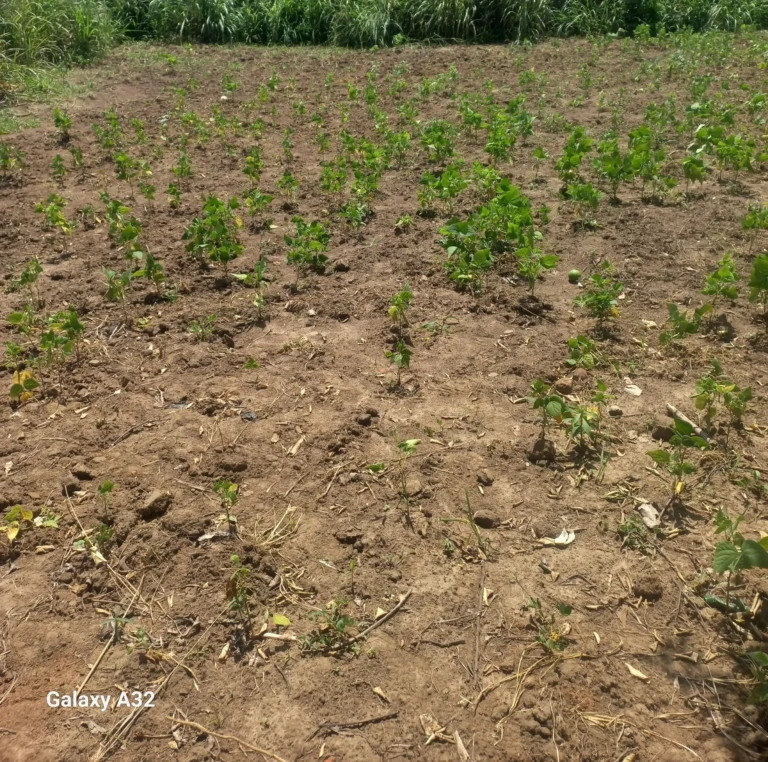
(Wau) – Chinese peacekeepers based in South Sudan have introduced vegetable farming techniques to local residents as part of a new initiative aimed at improving food security and agricultural productivity in the region.
On June 14, 2025, members of the 15th Chinese Peacekeeping Horizontal Engineering Company under the United Nations Mission in South Sudan (UNMISS) held a practical training session at their base in Wau. The event brought together villagers from surrounding communities who were eager to learn more about vegetable planting and sustainable farming methods.
South Sudan has large areas of arable land, but much of it remains uncultivated due to a lack of farming knowledge and experience. Many communities suffer from chronic shortages of vegetables, which are essential for nutrition. The peacekeepers hoped to address this problem by teaching local farmers how to grow crops suited to the local soil and climate.
The training covered the entire vegetable planting process, from soil preparation and seed selection to watering methods and pest control. The peacekeepers demonstrated each step in the garden area of their base, encouraging villagers to ask questions and take part in the hands-on activities.
Huang Tao, a member of the Chinese peacekeeping unit, said that their mission has evolved from simply distributing food to empowering local communities through skills development. Quoting an old Chinese proverb, he explained, “To give people fish is to feed them for a day; to teach them to fish is to feed them for a lifetime.”
“By sharing planting techniques,” he continued, “we are helping South Sudanese people become more self-reliant. This also helps build trust and deepen the friendship between our two nations. Agriculture is key to development, and through these efforts we can contribute to peace and stability.”
Local resident Simon, one of the participants, praised the training. “Chinese peacekeepers are very knowledgeable,” he said. “We’ve learned so much about farming. They answered many of our questions and showed us how to improve our practices. We are very grateful.”
Discover more from Access Radio Yei News
Subscribe to get the latest posts sent to your email.