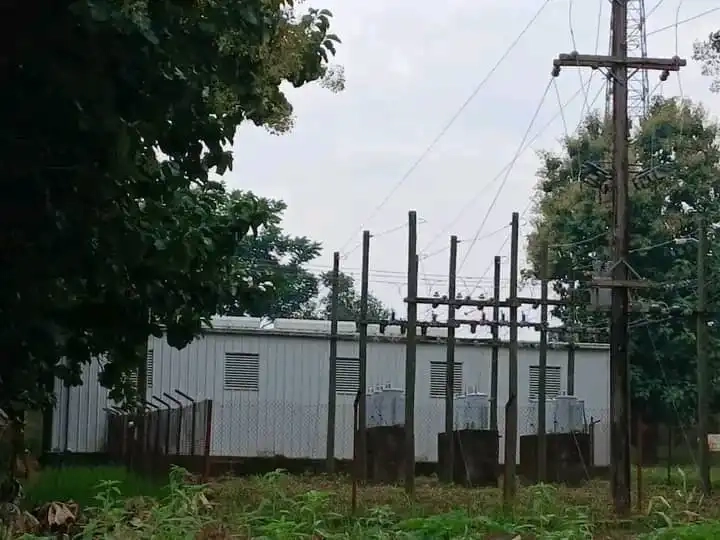
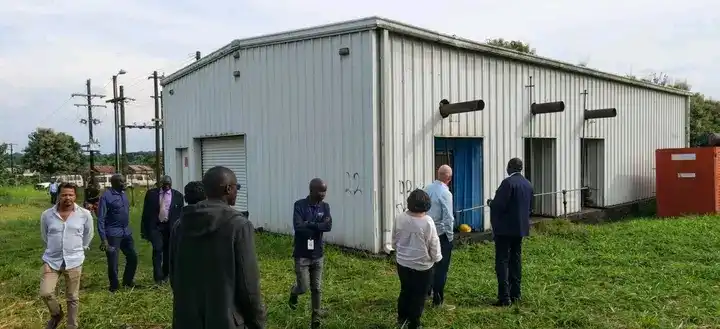
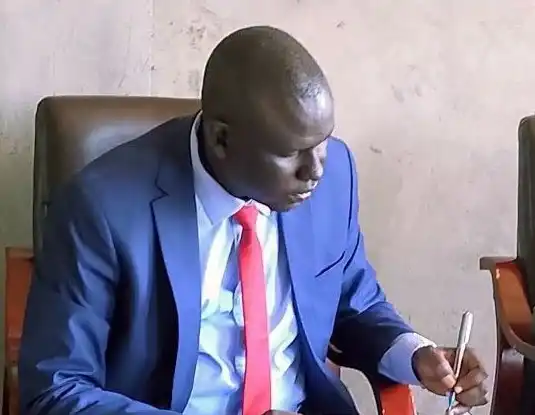
(Bentiu) – The Minister of Agriculture in Unity State, South Sudan, has strongly opposed a proposal by an oil company seeking to relocate thousands of local farmers to make room for expanded drilling operations. The official, Gai Gatdweil, said the plan by the Greater Nile Petroleum Operating Company (GNPOC) is both unlawful and unacceptable.
According to Minister Gatdweil, the company’s request aims to push back communities living within a 45-kilometer radius of the oil fields. However, he insisted that such a move is illegal as it bypasses both regional and national government processes.
The minister warned that the planned evictions would have serious consequences for agriculture in Unity State, particularly during a crucial planting season when international aid is also decreasing. He explained that much of southern Unity State is already uninhabitable due to heavy flooding, leaving farmers with very limited land for cultivation.
Gatdweil emphasized that any proposed relocation of communities would need to be backed by detailed scientific studies and proper environmental and social impact assessments. He also underlined that any action of this nature would require direct approval from the South Sudan National Assembly, as it involves sensitive matters of land and sovereignty.
Local residents, most of whom are small-scale farmers, have openly rejected the relocation proposal. Community members say oil drilling has already damaged their environment, causing both air and soil pollution. They claim they are still suffering from the effects of past oil activities and have not received any compensation.
Residents are now demanding government support for agriculture rather than displacement. Many say their livelihoods have been repeatedly threatened by oil companies that fail to consider the long-term social and environmental impact of their work.
Unity State remains one of South Sudan’s most heavily impacted regions in terms of environmental damage caused by oil extraction. There have been numerous complaints from local communities over the years, particularly regarding the failure of oil firms to provide compensation or conduct proper clean-up efforts.
This latest standoff comes amid wider national discussions about how to balance South Sudan’s economic development, especially through oil revenues, with protecting the rights and welfare of local communities living near extraction sites.
While no monetary figures were released, relocation efforts involving thousands of people would likely cost billions of South Sudanese Pounds (SSP), making the cost of such an operation financially and politically significant.
Discover more from Access Radio Yei News
Subscribe to get the latest posts sent to your email.