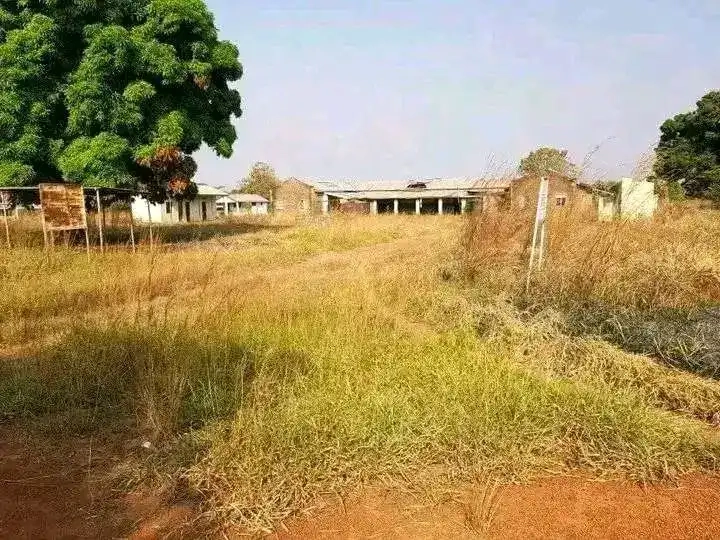
(Pibor) – A quiet transformation is underway in a modest prison compound in the Greater Pibor Administrative Area. A new initiative called “green corrections” is giving inmates farming tools and a second chance.
The initiative is supported by the United Nations Mission in South Sudan (UNMISS) and aims to blend prisoner rehabilitation with sustainable agriculture.
According to Barbrah Nyamasoka, a corrections advisor with UNMISS, the concept addresses multiple challenges faced by South Sudan’s prison system, including reintegration and food insecurity.
“With increasing conflict, insecurity, and economic instability, we decided that boosting year-round farming in prisons would not only upskill inmates, aiding their eventual reintegration into society upon completion of their sentences, but also contribute to reducing food insecurity,” Nyamasoka said.
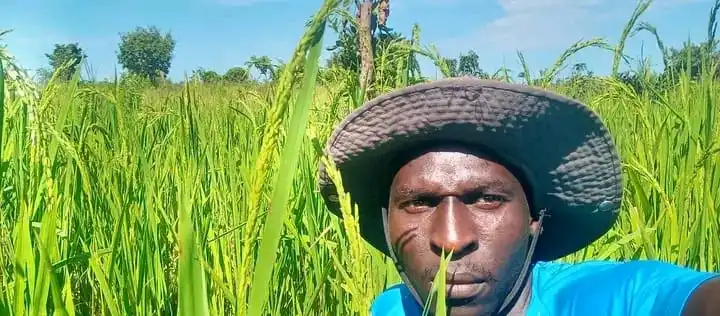
Pibor Prison is one of the first facilities to implement this initiative. Within the compound, inmates now manage two hectares of land. One section is used for growing rice, while the other is filled with vegetables like okra and sukuma wiki (collard greens).
Captain Amos Konyi, who coordinates operations at Pibor Prison, noted that inmates are now fully engaged in agricultural work.
“Prisoners are now gainfully occupied learning agricultural skills and producing nutritious food,” he explained. “We now also grow vegetables such as okra, sukuma wiki, and many more.”
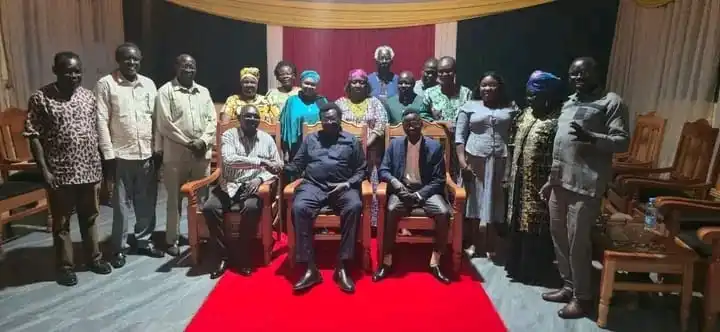
The initiative received a strong endorsement from Peter Guzulu Maze, Chief Administrator of the Greater Pibor Administrative Area. After visiting the farm, he praised the prison’s management and the inmates for their work.
“Upholding the rule of law and security goes hand in hand with ensuring prisoners are given the tools they need to reintegrate into society,” he said. “I am impressed with what I have seen here and commend inmates and prison management for actioning this successful initiative.”
Maze was accompanied by officials from UNMISS’s Rule of Law and Security Institutions Section (RoLSIS), who have played a critical role in supporting the program.
They have worked with organizations such as the Food and Agriculture Organization (FAO) and local NGOs to help the prison become self reliant.
“We keep visiting to make sure the project is running smoothly, that inmate-farmers are correctly using the solar-powered irrigation system given by our colleagues at FAO, and that overall prison conditions are improving,” said Nyamasoka.
The support also includes improved prison infrastructure and a focus on humane rehabilitation, which marks a significant change from previous conditions in many South Sudanese correctional facilities.
Jakor Kuron, one of the inmates involved in the program, said the farming experience offers more than just a way to pass time. “This farm helps us produce food, gives us the physical exercise we need, but above all, gives us hope for rebuilding our lives once we finish our sentences,” he said.
Another inmate, Mary Gazulu, sees a long term benefit for her family and community. “When I am finally released, I’m going to teach my children how to grow rice in the rich land of Pibor,” she said with a smile.
Discover more from Access Radio Yei News
Subscribe to get the latest posts sent to your email.