Photo: Radio Miraya
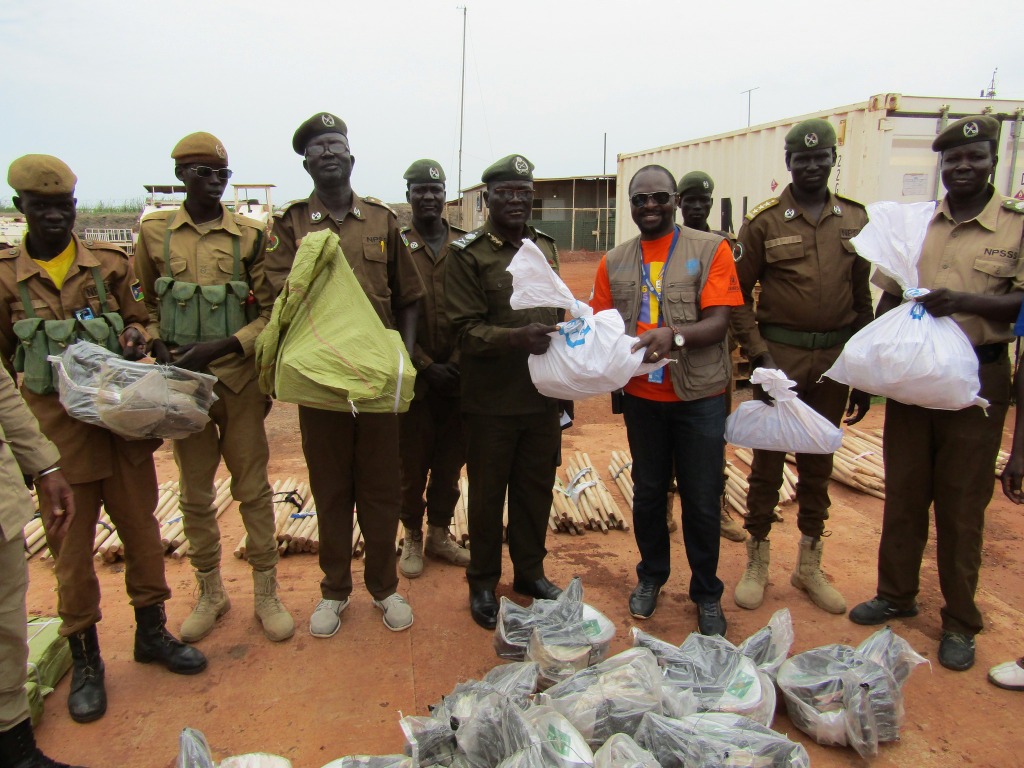
(Bentiu) – Over 200 prisoners at Bentiu Central Prison and others incarcerated in Leer and Koch counties in South Sudan’s Unity State will now have the chance to grow their own food following a donation of farming tools and seeds.
The initiative is supported by the UN Food and Agriculture Organization (FAO) in partnership with the United Nations Mission in South Sudan (UNMISS) as part of a broader “green correction” effort.
The donation is aimed at helping inmates improve their self reliance by cultivating crops within the prison facilities. Officials say the initiative will also provide inmates with practical farming skills that they can use once they complete their sentences.
Unity State’s Prison Director, Michael Mawal Gatluak, welcomed the initiative and said that the land and conditions within the prisons were suitable for small scale farming.
“These tools and seeds will support cultivation inside the prison. We have the land and the seeds; this will help the prisoners grow their own food,” he said.
The donated items include hand tools such as hoes, rakes, and watering cans, along with vegetable seeds like okra, tomatoes, and eggplants.
Correctional authorities say the initiative will not only meet the immediate nutritional needs of prisoners but also create a more rehabilitative environment by introducing productive routines and training.
According to UNMISS Correction Officer Joan Muviti Mutunga, the program has both short and long term benefits.
“Green correction will not only improve food production in prison but also equip inmates with farming skills to help them improve their lives once they leave,” Mutunga said.
While the donation does not include a monetary component, comparable in kind agricultural support programs in the region typically represent an investment value of about 24,000 US dollars.
The introduction of farming in correctional facilities comes at a time when food insecurity remains a major challenge across South Sudan.
Similar prison farming initiatives have been introduced in other parts of the country, often with support from humanitarian partners, as a means of addressing both food shortages and the need for inmate rehabilitation.
The program seeks to offer prisoners a sense of purpose, responsibility and the chance to contribute to their own well being while in custody by engaging them in meaningful agricultural work.
Authorities believe such skills can be particularly valuable in rural South Sudan, where agriculture remains a key livelihood.
Discover more from Access Radio Yei News
Subscribe to get the latest posts sent to your email.