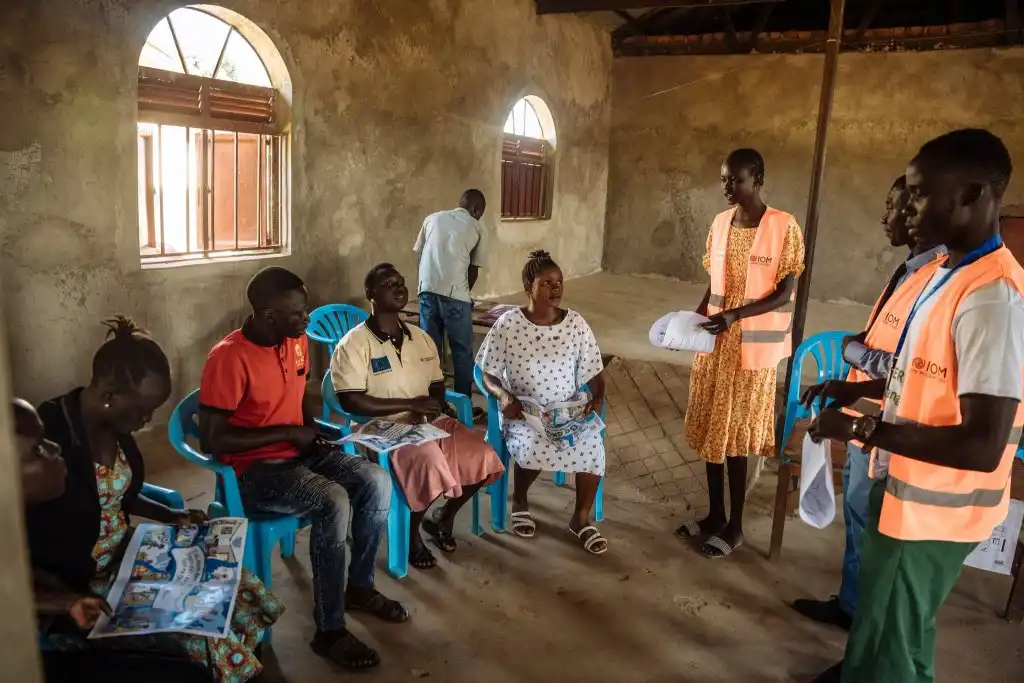
Domestic Violence No Longer Seen as Normal in Bazia Jedid/PHOTO CREDITS: IOM South Sudan
(WAU) – Community led dialogues are shifting attitudes on gender based violence in Western Bahr el Ghazal and Warrap states, with more survivors now reporting cases and seeking services, according to the International Organization for Migration.
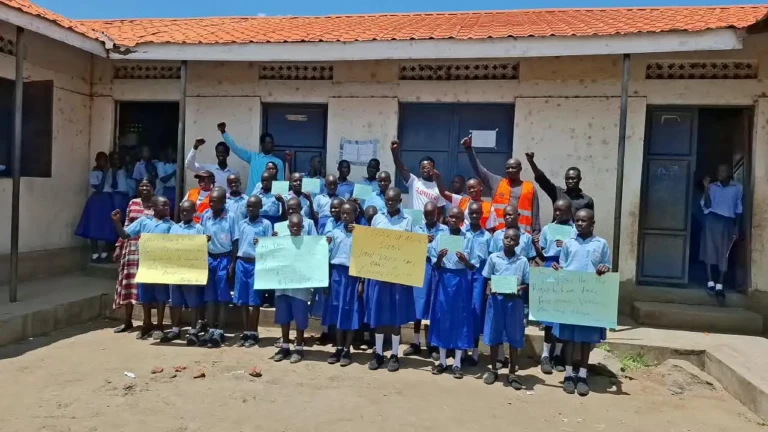
Between December 2025 and May 2026, IOM, with European Union funding through the EU UN Joint Programme, supported weekly GBV awareness sessions in Wau and Kuajok led by trained Community Action Groups. The initiative reached more than 4,100 people, including over 2,600 women and 1,500 men.
For years, early and forced marriage, domestic violence, sexual harassment and physical punishment of children were accepted as normal across communities in the two states. Survivors often remained silent, unsure where to seek help and fearful of stigma.
That is beginning to change. Local leaders, women and youth have been taking steps to challenge harmful practices and promote positive social norms.
Perina Lawarenc, a women’s representative from Bazia Jedid, said the sessions transformed her understanding. She had limited knowledge about GBV and did not know where to report cases. She considered domestic violence and sexual harassment normal.
She also assigned more work to her daughter than her son and used physical punishment, thinking it was proper parenting. Now, she sees things differently. People who attended the sessions are more likely to report GBV cases and community members now know where to report and are supporting survivors in accessing services.
In Hai Kosti B in Wau, youth leader Charles Santino Daniel said he did not understand what gender based violence was before the sessions. Marrying off young girls to older men without their consent was not seen as wrong in his community. Through the discussions, he learned such practices are forms of GBV with serious consequences, including complications or death during childbirth. He now actively shares this knowledge and more people in his community report GBV cases.
Emmanuel Mariano Uyaka, a Community Action Group facilitator and youth leader, facilitated discussions over several months. Participation was low at first but grew as people shared information with others. He recalled one participant who used to beat his sister and restrict her movements. After the sessions, he improved his relationship with her and stopped all violence.
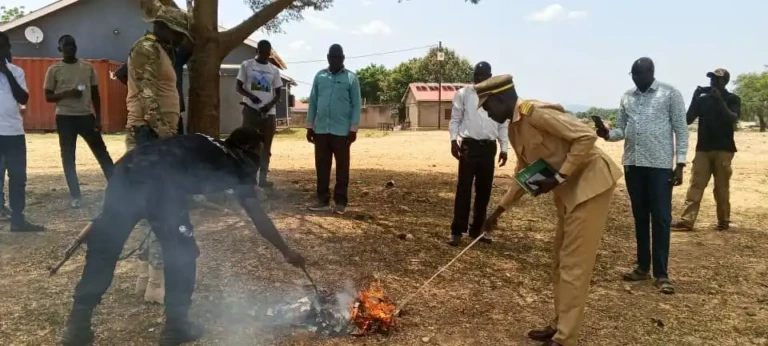
The initiative responded to gaps in both towns, where communities had limited access to GBV information and support services. Low awareness, harmful norms, stigma and fear prevented survivors from seeking help. Weekly discussions engaged women, men, youth, local leaders and service providers, creating safe spaces for dialogue on issues long hidden.
An IOM facilitator said community awareness raising gives people accurate information on GBV and available services, creating space for open discussion. Strong engagement was seen in sharing experiences, concerns and ideas for change.
As awareness grew, IOM worked with UNICEF and local organisations to strengthen support for survivors. Frontline service providers in Wau and Kuajok received capacity building to improve referral systems, coordination and survivor centred care, aiming to ensure those who come forward receive timely and compassionate support.
The sessions were part of a broader protection and gender equality package that included capacity strengthening for Community Action Groups and service providers, referral pathway support and leadership training for over 1,000 women.
IOM is now strengthening collaboration with the Ministry of Gender, Child and Social Welfare in Western Bahr el Ghazal to sustain community led awareness efforts. Charles Santino Daniel said that if 40 people attend one session, they can influence many more. GBV should never be seen as normal. Across Wau and Kuajok, the conversations continue.
Source: IOM South SudanDiscover more from Access Radio Yei News
Subscribe to get the latest posts sent to your email.