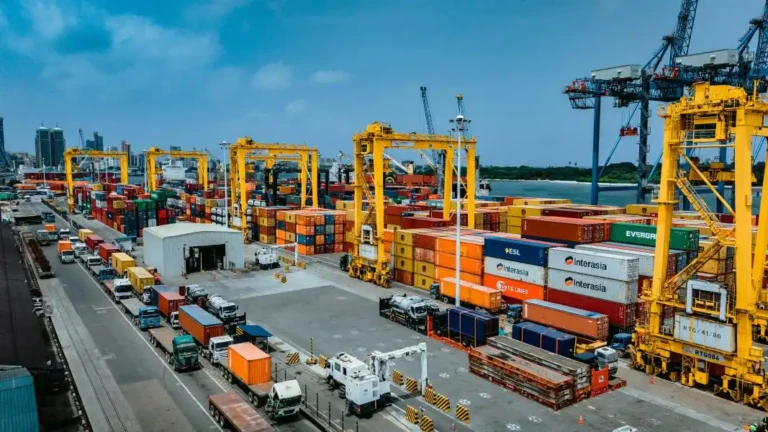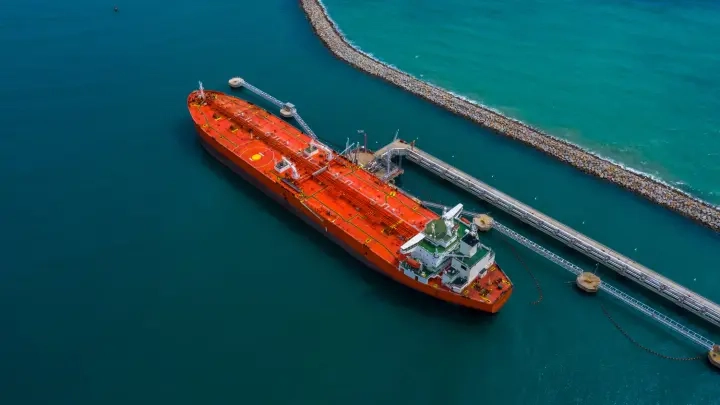
Russia Turns to India for Petrol After Refinery Attacks / PHOTO: Amnons Business Report
(MOSCOW) – Russia has started maritime imports of petrol from India to address a fuel shortage caused by Ukrainian attacks on its energy infrastructure, sources told Reuters. The Kremlin stated that Russia maintains contacts with other countries and discusses importing fuel at acceptable prices.
An industry source reported that at least 60,000 metric tons of petrol were sent from India to Russia. Another source noted that two tankers were dispatched, each carrying between 30,000 and 40,000 tons. A third source said Russia plans to import 400,000 tons of petrol monthly from various countries, including neighbouring Belarus, which already exports fuel to Russia.
Petrol consumption in Russia is at least 110,000 tons per day during summer, when fuel demand is high. It is currently unknown which Indian refinery will supply petrol to Russia.
According to Reuters calculations and data from sources, in the first half of June Belarus almost tripled its railway petrol supplies to Russia to over 70,000 tons compared to the first half of May. Last week, the Russian parliament approved amendments to the Tax Code aimed at overcoming the fuel shortage caused by Ukrainian drone attacks, and also introduced subsidies for fuel imports tied to Indian delivery costs and prices.
Crude oil imports from Russia to India rose to a record level in June, as ship tracking data from LSEG and Kpler showed, as refineries bought Russian oil to mitigate the impact of the closure of the Strait of Hormuz on other supply sources.
During June 2026, Ukraine struck 11 Russian oil refineries, 7 fuel logistics facilities, 8 military plants, space communication centres, ships, and ferries, the Ministry of Defence of Ukraine reported. Strikes were carried out across territory from occupied Crimea and Krasnodar Krai to Western Siberia.
The Tyumen Oil Refinery, located 2,000 kilometres from Ukraine, was hit. The facility has a capacity of 7.5 to 9 million tons of oil per year and produces petroleum products for the needs of the Russian army. The Moscow Oil Refinery, 500 kilometres from Ukraine, has suspended oil processing for an indefinite period.
The Ufa refineries Bashneft Ufaneftekhim and Bashneft Novoyl, roughly 1,500 kilometres from Ukraine, were also struck. These plants supply fuel to a significant part of the Volga region and deliver to other regions of Russia, while also supporting the needs of the Russian occupation army in Ukraine. The Orenburg Gas Processing Plant, more than 1,200 kilometres from Ukraine, which extracts gas to obtain helium and ethane critical for rocket technologies and aviation, was hit as well.
Refineries TANECO and TAIF NK in Nizhnekamsk, Tatarstan, about 1,200 kilometres from Ukraine, were struck. They are the largest oil refining complexes in the region, with a design capacity of over 16 million tons of oil per year. The Ministry of Defence stated that the degradation of the oil refining industry and the military industrial complex of the Russian Federation directly reduces the aggressor’s military economic potential, and that the systematic destruction of Russia’s strategic facilities is an effective tool for putting pressure on its military machine.
Meanwhile, US President Donald Trump told reporters at Joint Base Andrews that negotiations with Iran are going very well and welcomed what he called very good meetings. The US President also indicated that Iran has come a long way when speaking about the current negotiations with Tehran. “We hit them very hard last week,” he said. Trump added that the denuclearisation of Iran is progressing after intense US military actions, while noting the stock market’s rise and a sharp drop in domestic energy prices.
“The price of oil has dropped significantly. We fell to 68. I see it hit 68 today. That is lower than when I started,” Trump said, adding that retail petrol prices are dropping fast.
CNN reported, citing a diplomatic source, that US and Iranian officials are holding lower level indirect technical talks in Doha through Pakistani and Qatari mediators. Iranian Deputy Foreign Minister Kazem Gharibabadi met with Qatari Prime Minister Sheikh Mohammed bin Abdulrahman bin Jassim Al Thani, who acts as a mediator, to discuss formalising a preliminary agreement between Iran and the US. This was followed by a trilateral meeting involving Pakistani mediators.
The meeting followed Al Thani’s meeting with US envoys Steve Witkoff and Jared Kushner on Tuesday, where they discussed ongoing negotiations and regional developments. The issue of a ceasefire in Lebanon was also discussed, with Qatar’s Foreign Ministry stating the importance of its stabilisation. Qatar added that technical talks between Iran and the United States are ongoing, but there are currently no high level meetings between them.
In Lebanon, despite an agreement brokered by the US between Israel and Lebanon on Friday, the Israeli military said it struck a Hezbollah operative in the Manzala area of southern Lebanon, near the security zone where Israeli troops operated on Tuesday. Oman recently sent the US and other allies a proposal for shipping companies to pay a fee for services using the Strait of Hormuz, a regional diplomat and a US source familiar with the matter said.
Iranian state media reported that a foreign container ship ran aground after failing to use a route through the strait approved by Tehran. Overall traffic on the waterway remains stable, though significantly below pre war levels.
Oil prices posted their steepest quarterly decline since the start of the pandemic between April and June, as traders welcomed a temporary peace deal between the US and Iran and the return of some oil supplies through the strait. WTI crude held near $70 (SSP 455,000 per barrel), while Brent stayed below $73 (SSP 474,500 per barrel) amid the US Iran talks.
Discover more from Access Radio Yei News
Subscribe to get the latest posts sent to your email.