324 Complaints Lodged in Wedweil Refugee Settlement in May / PHOTO: Hold the Child
(AWEIL WEST COUNTY) – Food price hikes during cash distribution days topped a list of 324 community complaints recorded in Wedweil Refugee Settlement in May 2026, a new humanitarian feedback bulletin has revealed.
The bulletin, produced by Concern Worldwide under its Accountability to Affected Populations project with support from the World Food Programme (WFP), tracks feedback from refugees and host communities in Aweil West County.
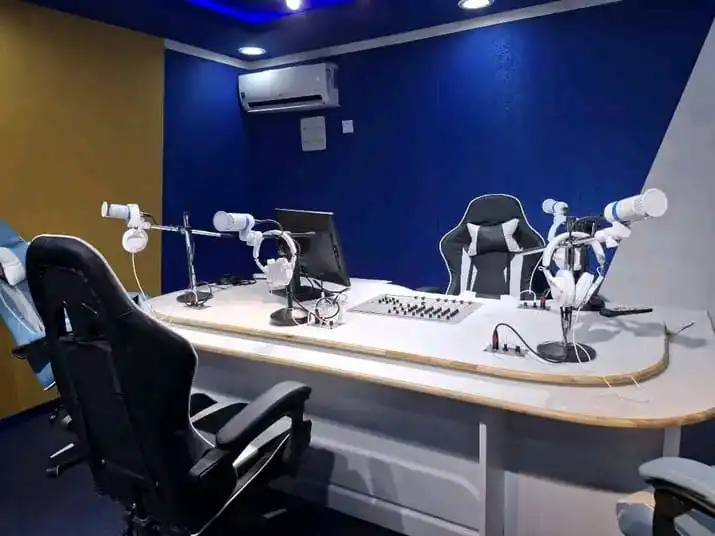
The project uses local responders, the Community Engagement Network and The Radio Community to collect and respond to concerns.
Of the 324 reports received, 160 came from females and 164 from males. A total of 248 reports, or 77 percent, were addressed and closed. The remaining 76 reports, or 23 percent, were unresolved at the end of May.
Food security and livelihoods accounted for the largest share of feedback at 27 percent. Protection followed at 16 percent, water, sanitation and hygiene at 15 percent, humanitarian assistance at 13.3 percent, shelter and non food items at 13.3 percent, health at 11 percent, education at 3 percent, nutrition at 0.6 percent, and camp coordination and management at 0.6 percent.
Residents complained repeatedly that traders raise food prices whenever WFP distributes cash. One female recipient said the increased cash becomes worthless when market prices rise at the same time.
WFP said it carries out routine market assessments before every distribution. Transfer values are set using weekly market price data and adjusted each month. Prices from the final two weeks of each month determine the transfer value for the following month.
Queue jumping was another common complaint. One young man called for equality and urged organisers to ensure everyone sticks to the schedule without preferential treatment.
Delays in cash distributions were also raised. A resident demanded an explanation from UNOPS for the hold up. UNOPS said beneficiaries must complete 18 days of labour intensive public work activities before any payment is made.
The process began on 13 May 2026 with training. After that, UNOPS reviews attendance, updates wages and seeks approvals before the contracted agency can pay. These steps contributed to the delays.
The bulletin recommended that aid agencies hold listening and focus group sessions to explain each step of the cash distribution process clearly, so communities understand the reasons for delays.
On water, residents complained about broken facilities. One said only a single tap was working in Block 18. The Norwegian Refugee Council, known as NRC, said it is recruiting a technical worker to handle minor repairs. It has assessed five water yards in the settlement and ten boreholes in the host community for rehabilitation. The tendering process is ongoing.
Another resident called for each block to have its own water point, noting a well at the Youth Centre could serve many people if properly built. NRC said it is constructing a water yard with a 20 cubic metre overhead tank in Block 13, with three water points. Two are in Block 13 and one in Block 14. Residents of Blocks 12, 13, 14, 8, 9 and 10 will benefit upon completion in June 2026.
Residents also asked for hygiene tools to clear grass and reduce insects and mosquitoes. NRC said it is building two solid waste disposal pits, one in Block 10 and another at the Transit Centre. Two Waste Management Committees will be formed, trained and equipped. NRC plans to buy more cleaning materials and run community cleaning campaigns but said sanitation needs currently exceed available resources.
During May, 10 public service announcements and four pre-recorded programmes aired 530 times via loudspeakers in Wedweil and on Akol Yam FM. Twelve listening group sessions were held with refugees and host communities. One focus group discussion covered self reliance instead of aid dependency.
Community voices captured in the bulletin included a question on why tests, operations and medicines were not available. Another person thanked WFP cash assistance for helping him start a mobile phone repair business. Others warned that the main road to Wedweil market would soon become impassable due to rains and asked for food assistance instead of cash during the rainy season.
Women said they cannot keep homes clean, cook or care for children without water. A resident asked why health centre referrals stopped, saying serious cases needing transfer to Juba were being turned away because of budget shortages.
Girls said rain entering their houses was damaging cooking utensils and food. Community members also said police demand money before helping with reported cases.
In a direct example of feedback driving change, the project recorded community concerns in April that inflation had cut the value of the 85,600 SSP cash transfer, about 13.17 US Dollars at the market rate of 6,500 SSP.
WFP responded by increasing the May transfer to 91,750 SSP per person, about 14.12 dollars. At the 13 May distribution launch, beneficiaries expressed satisfaction. One refugee said WFP always stands with them.
Discover more from Access Radio Yei News
Subscribe to get the latest posts sent to your email.