Global Funding Cuts Hit South Sudan Reproductive Health Services / PHOTO: National Health Portal
(JUBA) – South Sudan’s Ministry of Health has called for greater domestic investment in sexual and reproductive health, warning that more than 80 percent of health services depend on external funding as global donor support continues to shrink.
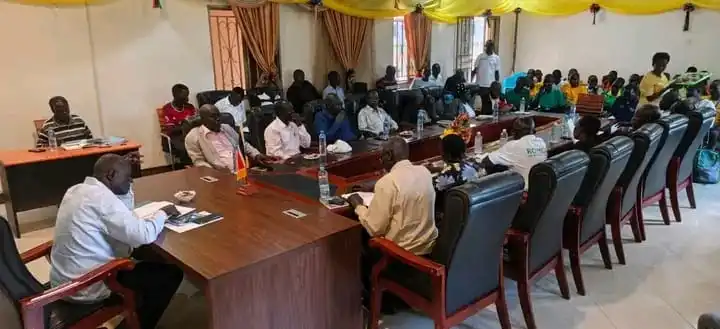
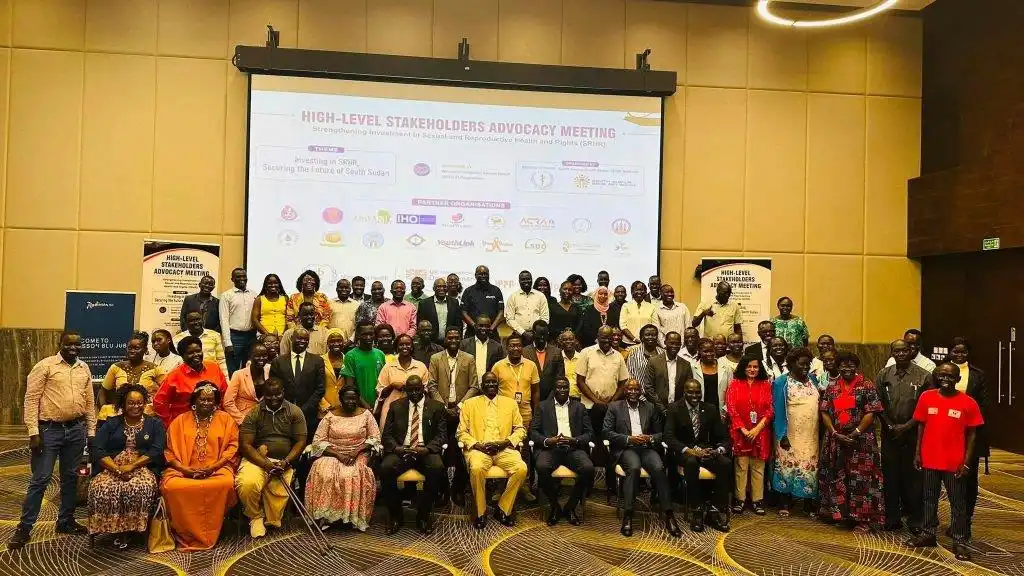
The appeal came Tuesday during a high level advocacy meeting in Juba organised by the South Sudan SRHR Network. Government officials, lawmakers, donors and development partners attended the meeting.
Representing the Undersecretary, Director General for Reproductive Health Dr Mading Michael said the country aims to achieve universal health coverage by 2030 but faces major financing gaps.
He said over 70 percent of health facilities now provide basic maternal and child health services, while maternal mortality remains at 692 deaths per 100,000 live births, among the highest in the world:
“More than 80 percent of the health facility services delivered in the country depends on external funding.”
FCDO representative Dr Wani Ayire warned that global funding cuts are disrupting reproductive health services and urged South Sudan to reduce its reliance on donors:
“The evidence is clear. The question is whether we will act with urgency and at scale.”
National Legislative Assembly Health Committee representative Dr Benjamin Malek Atem said South Sudan’s laws already protect women and children. He argued that stronger budget allocations and enforcement are needed:
“Our laws are clear. What is left is allocations and implementation.”
In a related development, South Sudan has committed nearly 20 million US Dollars, approximately 130 billion South Sudanese Pounds at the current market rate of 6,500 SSP to the dollar, toward essential health services as part of a 166 million dollar bilateral health agreement signed with the United States. The total agreement is valued at about 1.08 trillion SSP.
The South Sudanese contribution will support clinical care, payment of health workers and maintenance of critical infrastructure, including vaccine cold chain systems.
Meanwhile, a high level delegation from the Global Polio Eradication Initiative, known as GPEI, is in South Sudan on a strategic mission to strengthen the polio response.
The delegation paid a courtesy call on Dr Francis Oromo, Undersecretary of the National Ministry of Health, to align on mission objectives and expected outcomes. They also reviewed the ongoing response to the recurrent circulating vaccine derived poliovirus type 2, or cVDPV2, outbreak.
Both parties said the outbreak continues to be driven by sub optimal routine immunisation coverage.
To address these gaps, the GPEI delegation committed to a dedicated session with the national GPEI team to put into action the recommendations from the May 2026 review, strengthen outbreak response quality and develop concrete, coordinated mitigation plans to better respond to future health emergencies.
Discover more from Access Radio Yei News
Subscribe to get the latest posts sent to your email.